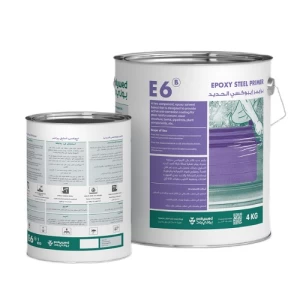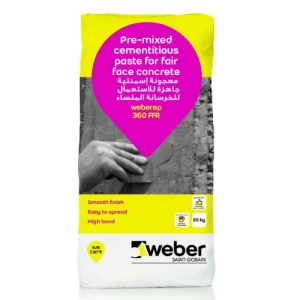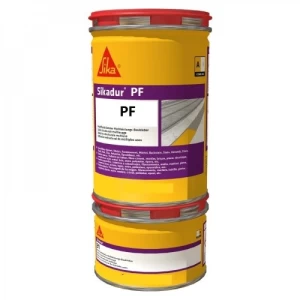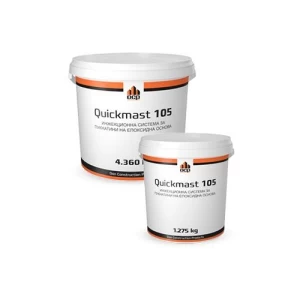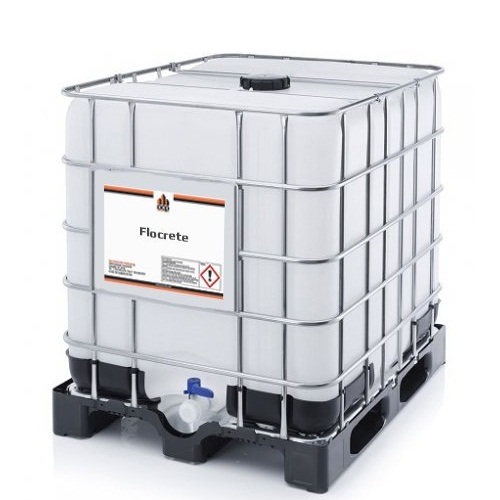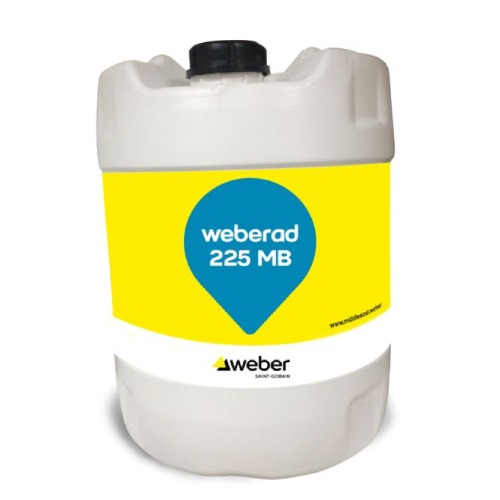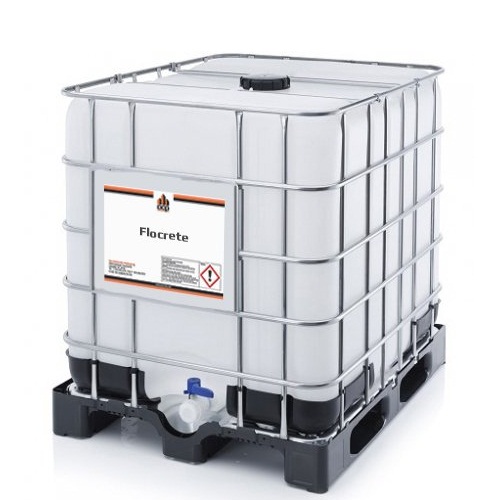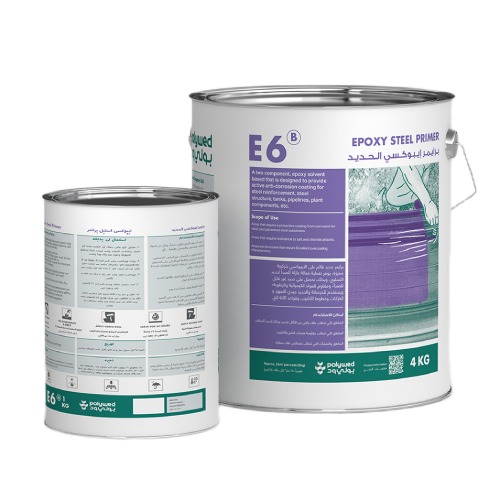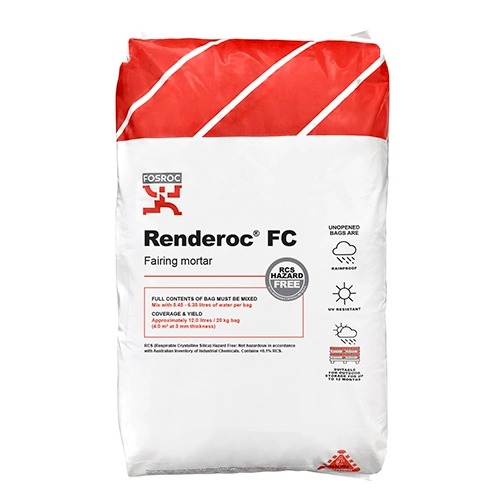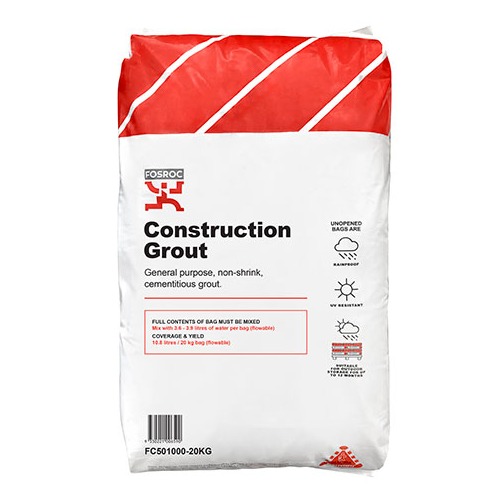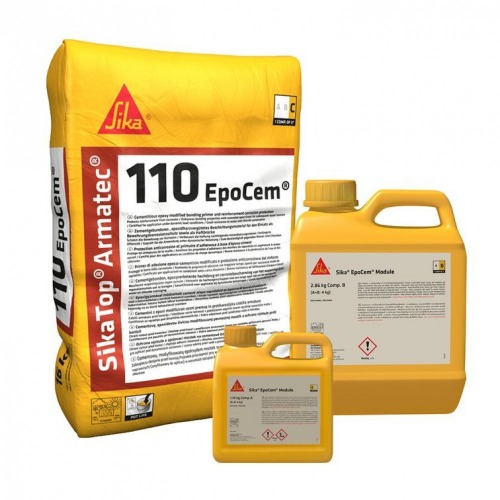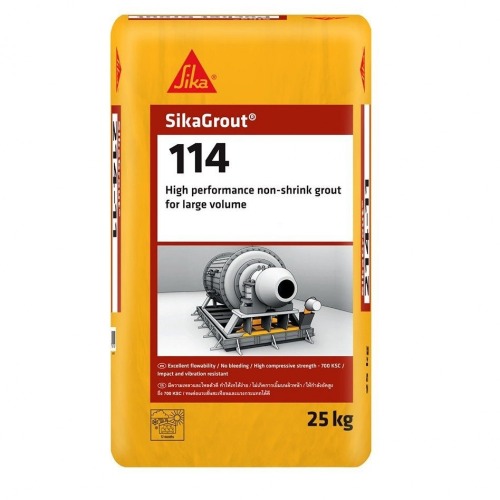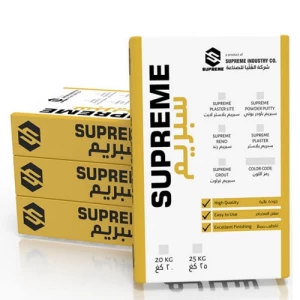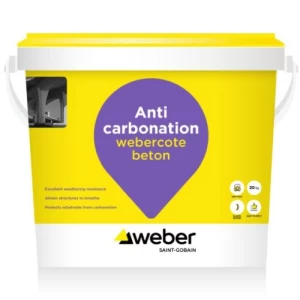
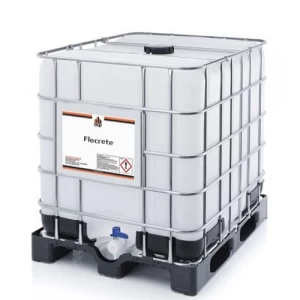
Chemical admixtures, such as stabilizers and water-repellent compounds, affect concrete performance during mixing. Supplementary materials are added after mixing to adjust workability or compensate for water loss. In Saudi projects, dosages are selected based on cement type and high temperatures to maintain consistency and durability.
No, when used at the correct manufacturer-recommended dosage. Some admixtures, such as waterproofing compounds, improve durability in humid or coastal areas. Always confirm compatibility with the cement used, especially for projects in Riyadh or Jeddah where exposure to heat, dust, or coastal air can affect performance.
Start by defining project requirements, such as compressive strength, setting time, leakage resistance, or heat exposure. For Saudi residential homes, workability and cohesion admixtures may be enough, while large structures need waterproofing or fast-setting options. A Matkel specialist can help select the right combination for your mix design and site conditions.
Dosage varies depending on admixture type, cement content, and target concrete consistency. Stabilizers are often measured in millilitres per kilogram of cement, while waterproofing compounds may be added by weight. Follow the manufacturer's table and test small samples before full-scale placement in hot Saudi conditions.
Yes, if the admixture is designed for water resistance or chloride inhibition. In coastal areas like Jeddah and Khobar, choose options that protect concrete from moisture, salt, and water permeability. Verify that the product complies with relevant Saudi specifications and site requirements before ordering.