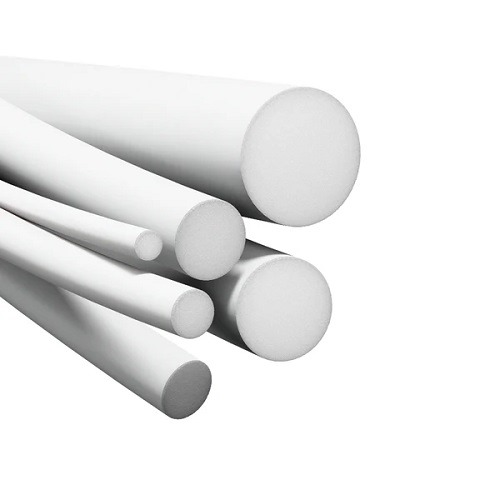
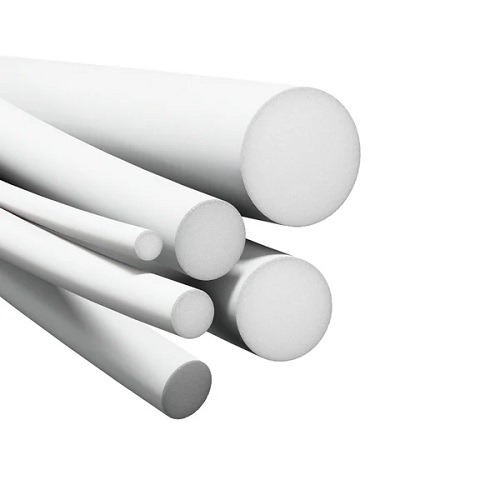
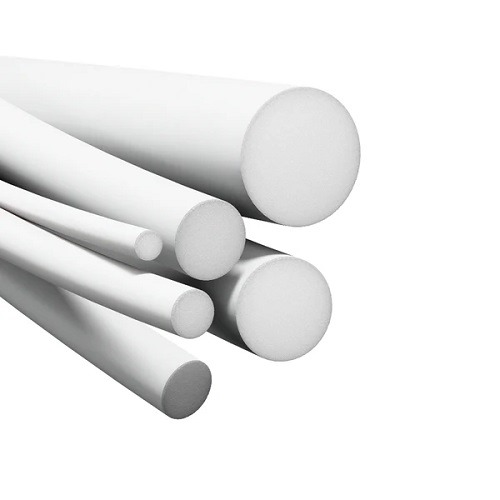
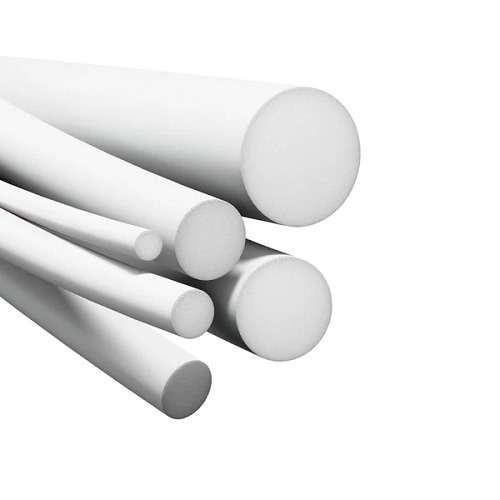
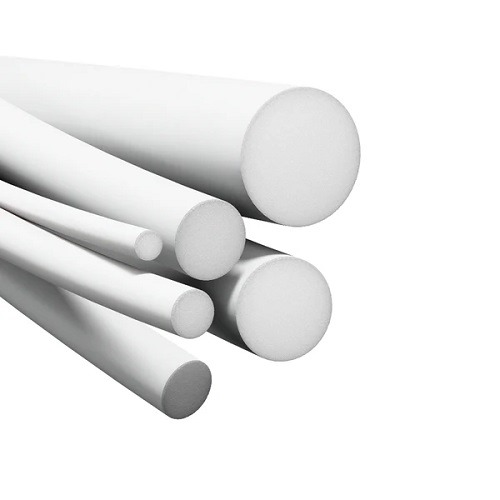
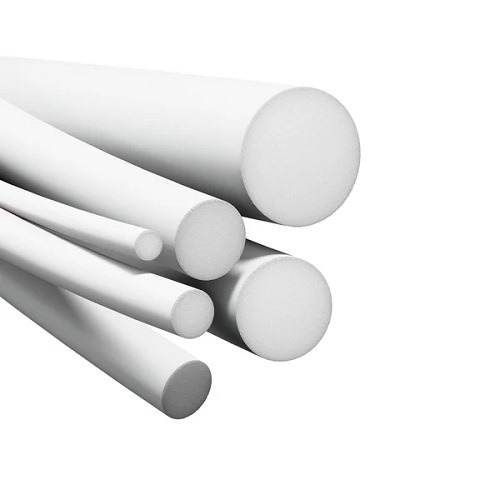
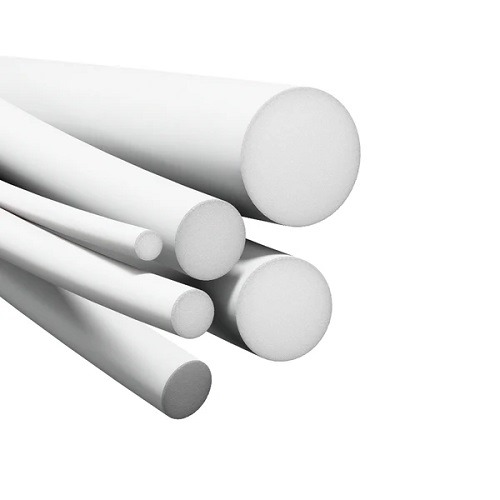
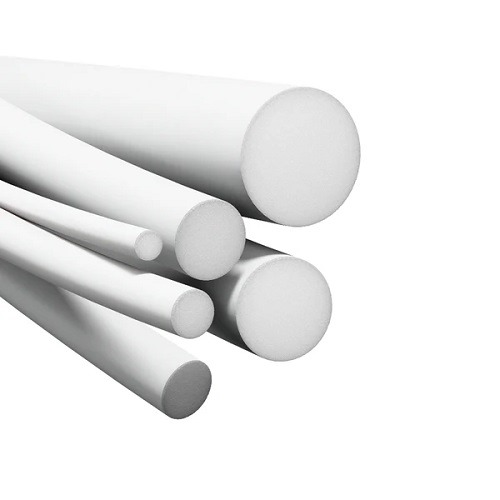
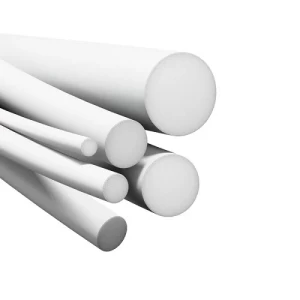
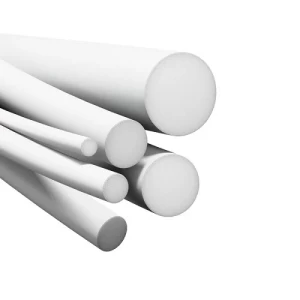
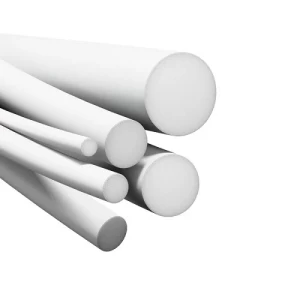
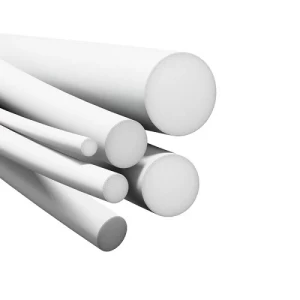
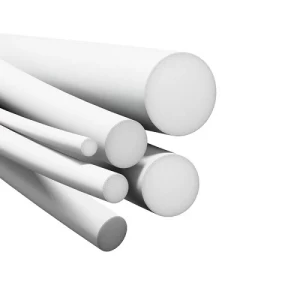
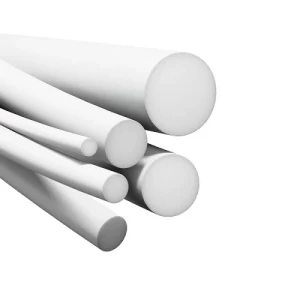
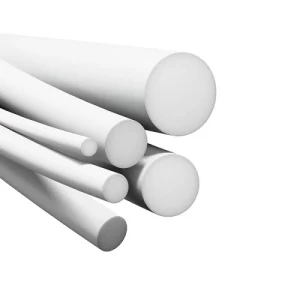
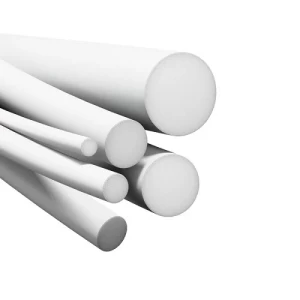
Expansion joint seal rods are installed between concrete sections to keep spacing consistent and manage movement, while concrete joints are rigid divisions that limit load transfer. The right choice depends on the structural design, expected movement, and location within Saudi buildings.
Yes. When the rod matches project specifications and resists weather, the joint is less likely to shift or lose its sealant. For Riyadh, Jeddah, and Dammam, choose flexible sealants that handle expansion and contraction, reducing air and water leakage.
Common widths or diameters usually range from a few millimeters to about 20 mm, depending on joint type and panel length. Select based on required joint width, substrate height, and tile or pavement profile. Always match the rod to the approved structural drawings before purchasing.
Approved brands vary by project, but Matkel offers options that can be paired with weather-resistant flexible sealing systems. Check rod material, thickness, quality certification, and compatibility with concrete or tile fixing methods, since these factors determine long-term service life.
Usually not if installed correctly, but periodic inspections are needed to confirm the rod has not shifted and the surrounding seal remains intact. In exposed or high-traffic areas, replacement may be required if cracks appear or the joint seal weakens.