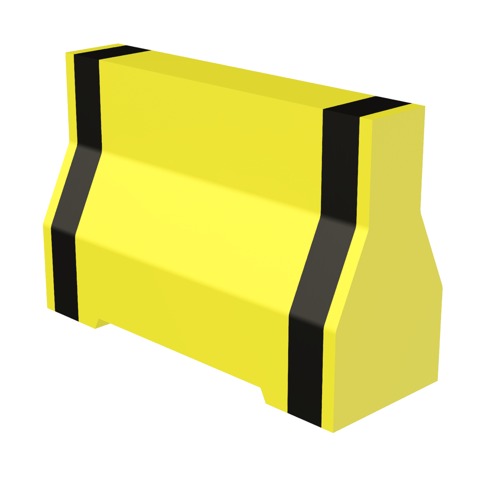
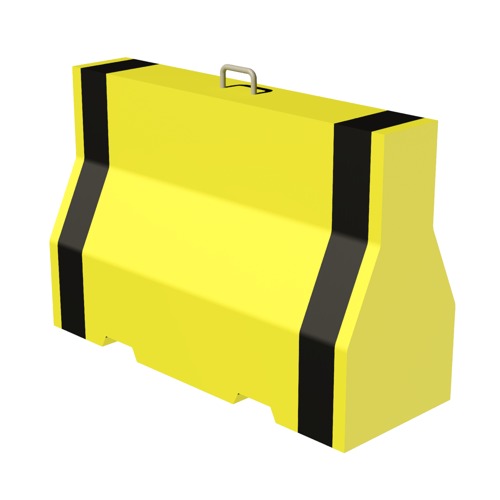
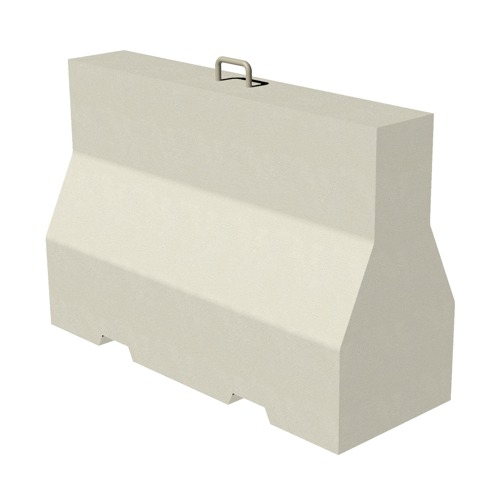
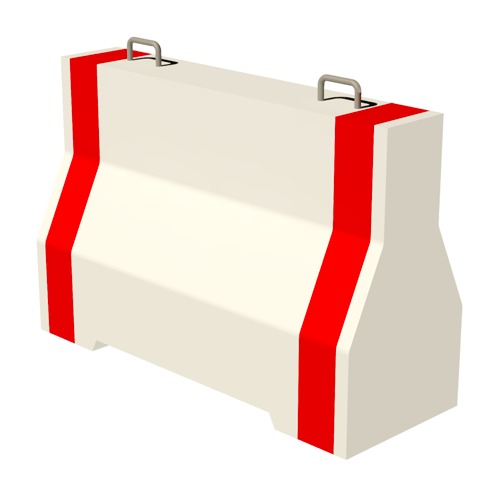
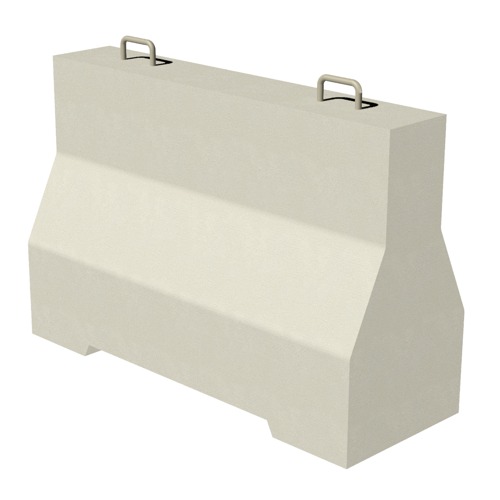
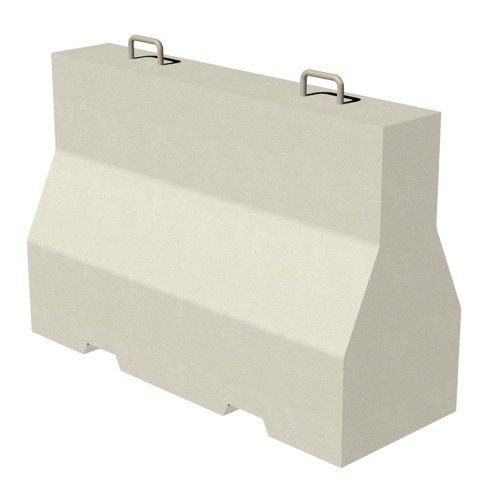
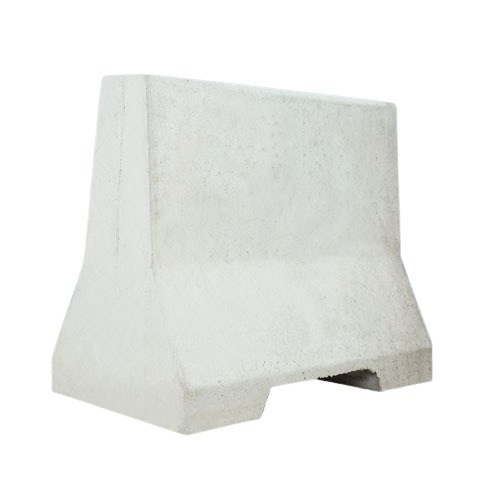
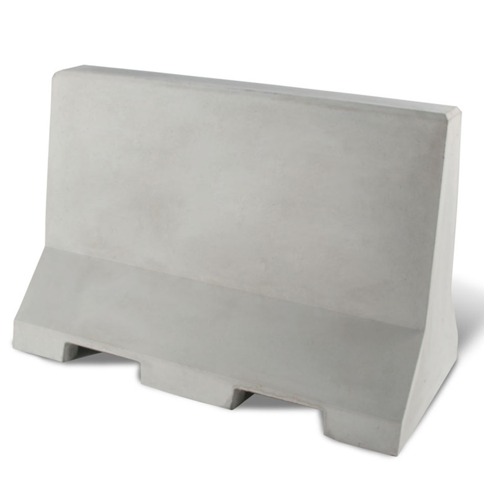
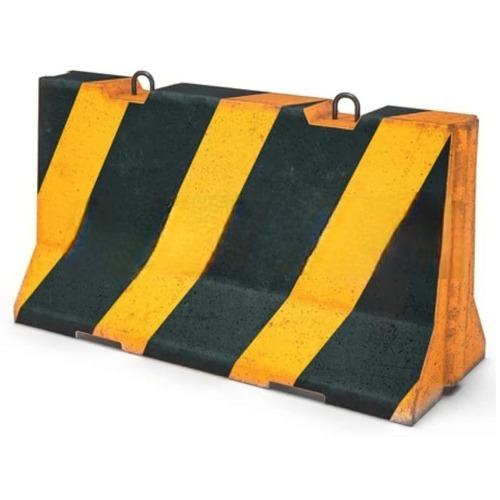
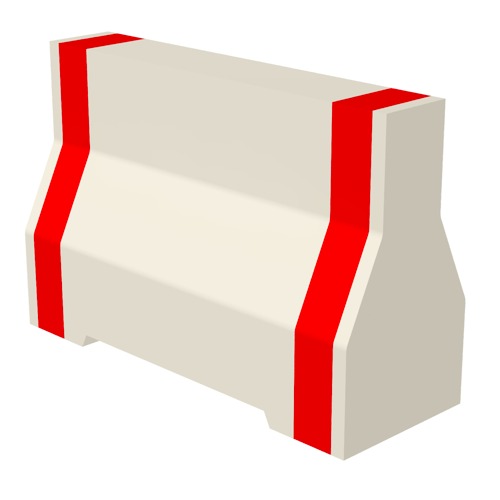
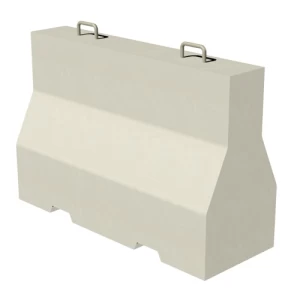
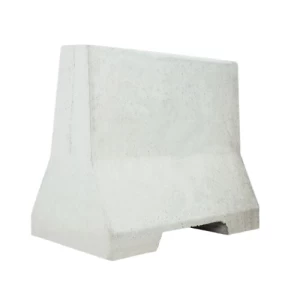
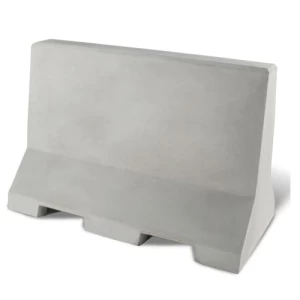
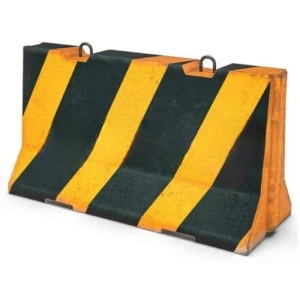
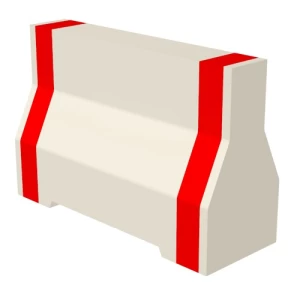
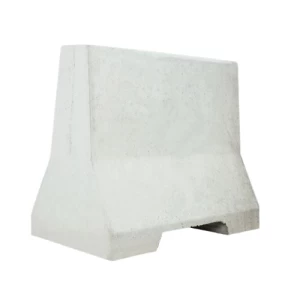
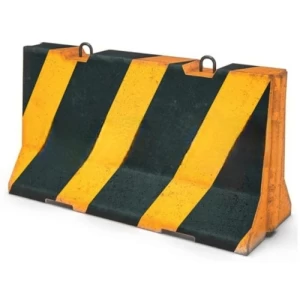
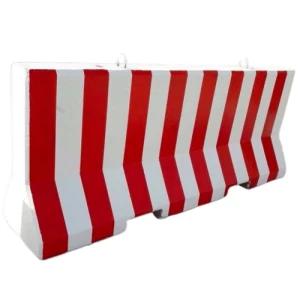
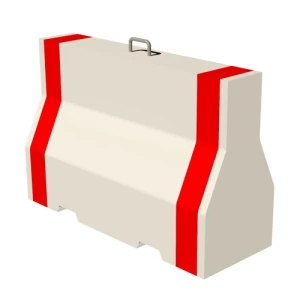
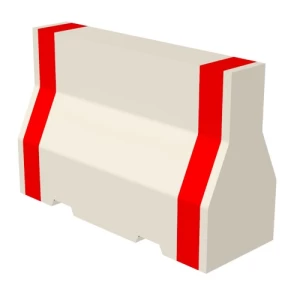
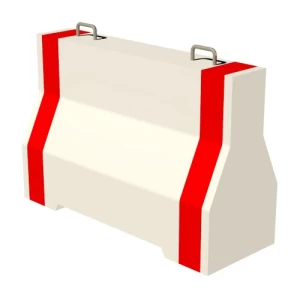
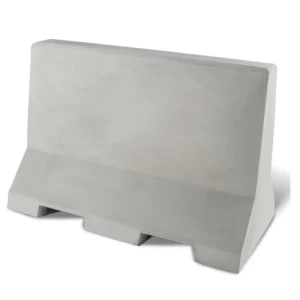
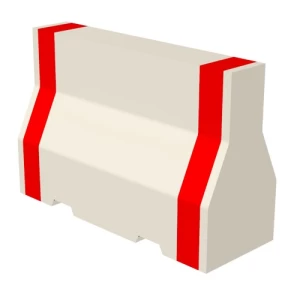
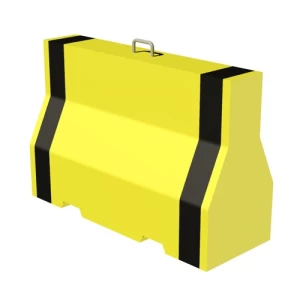
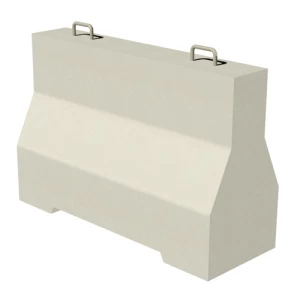
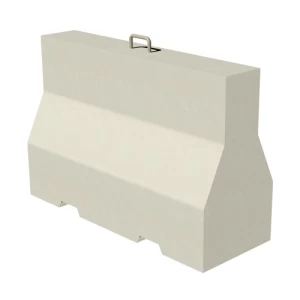
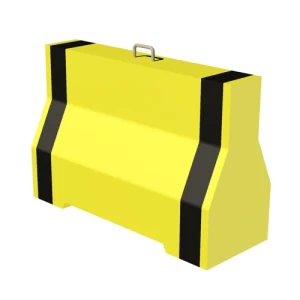
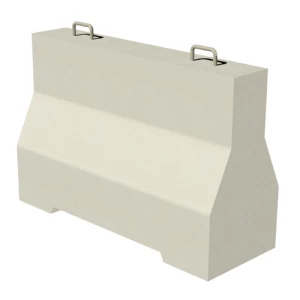
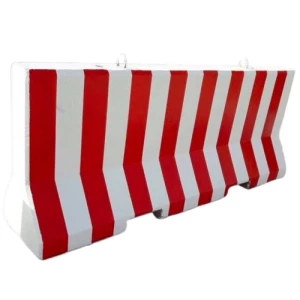
Precast barriers are factory-made to standard sizes, delivered ready to install, and are easier to transport and fit on highways. Cast-in-place barriers are poured on site according to local design and may take longer. Many Saudi projects prefer precast for faster execution, consistent quality, and reduced site disruption.
Yes. Concrete barriers are designed to resist vehicle impacts, absorb collision energy, and guide vehicles safely back to their lane. The correct height, slope, and anchoring depend on road speed. Matkel supplies barrier solutions aligned with Saudi road-safety requirements for highways and major urban projects.
High-strength concrete is commonly used because it withstands heat, traffic loads, and abrasion. Typical barrier heights range from 50 to 120 cm, with lengths of 2 or 3 m depending on the layout. For Saudi highways, choose approved dimensions and specifications that match government road projects and climate conditions.
Yes. Precast units are produced at manageable weights for crane or forklift lifting. They are placed on a level foundation or metal base, following the design layout. Installation requires a clear transport plan and permits for public roads, especially in Riyadh and Jeddah. Matkel can provide technical guidance for safe and efficient installation.
Delivery time depends on quantity and destination. In major cities, delivery usually takes one to five working days, while remote areas may require extra time. Better pricing is available for large orders or repeat project supply, based on confirmed barrier specifications, loading method, and delivery schedule.