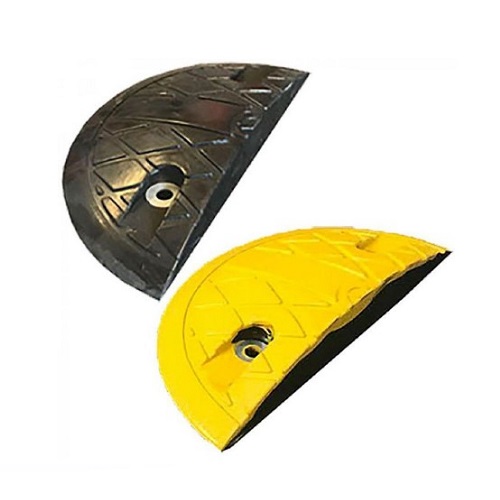
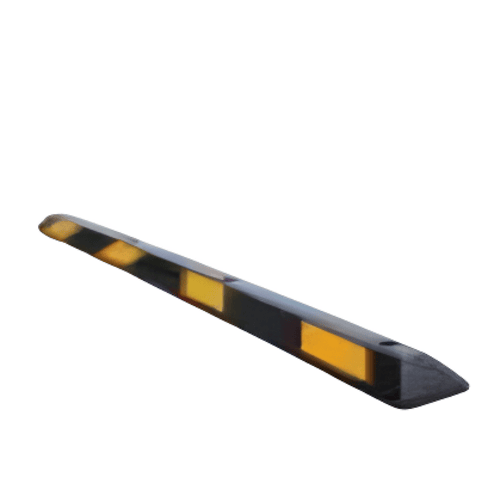
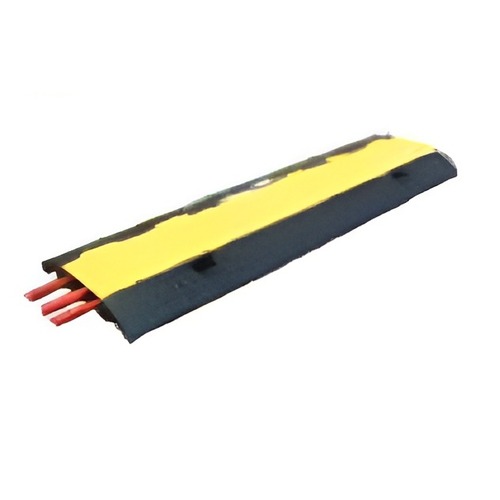
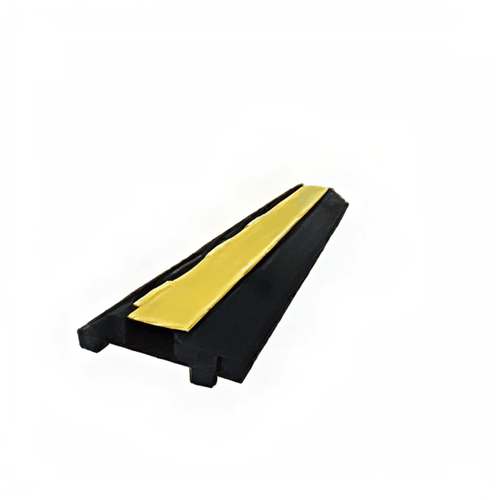
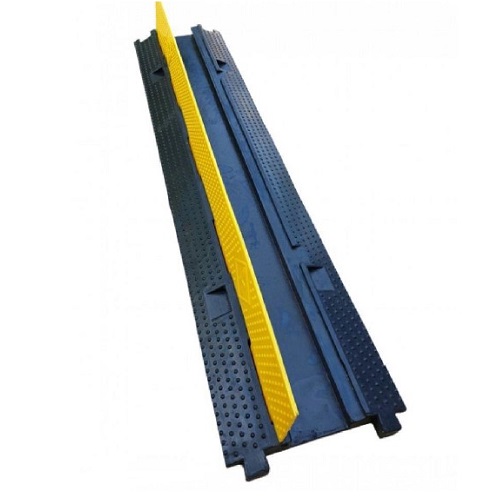
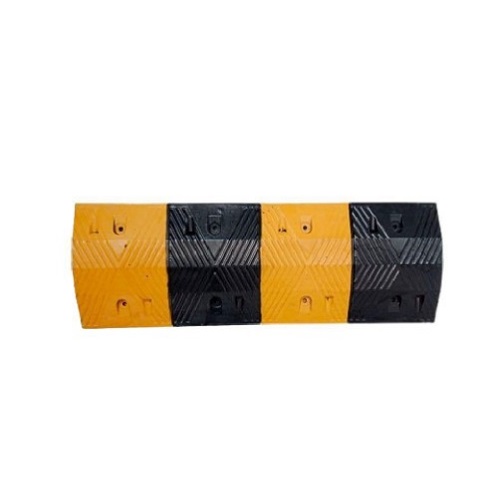
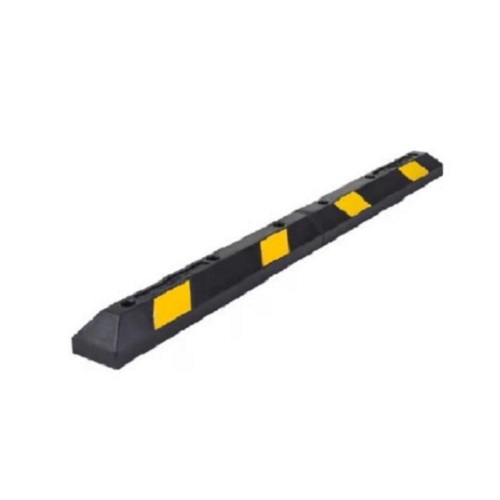
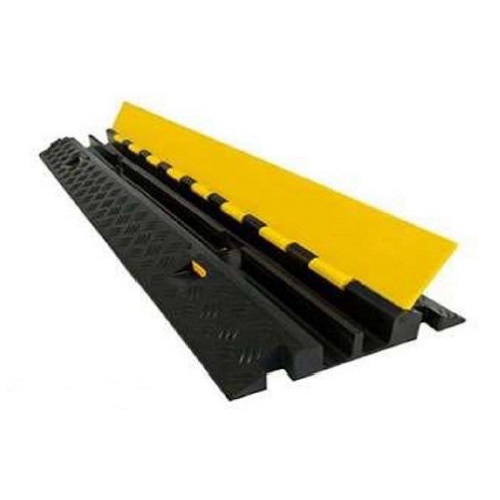
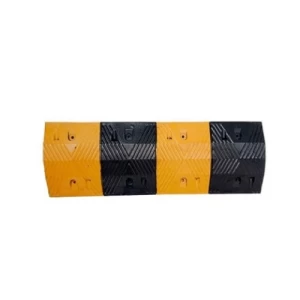
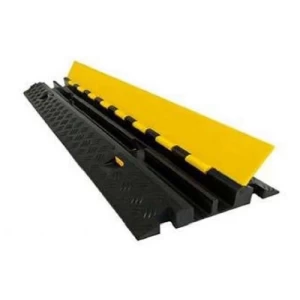
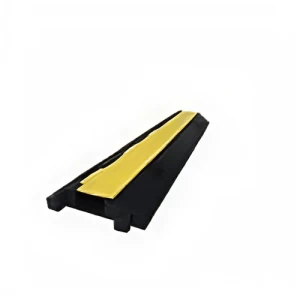
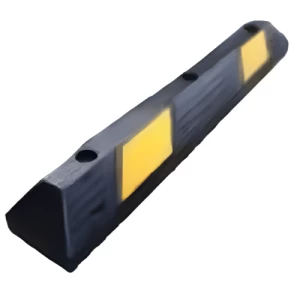
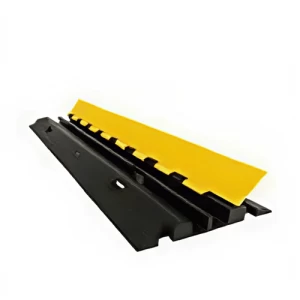
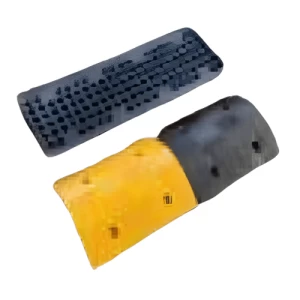
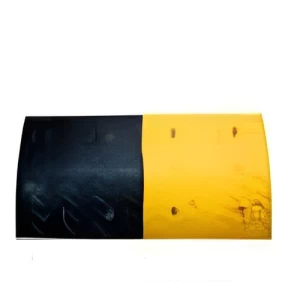
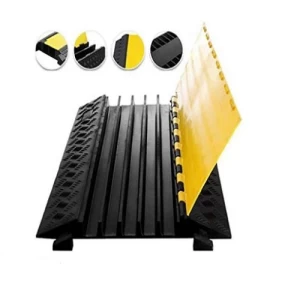
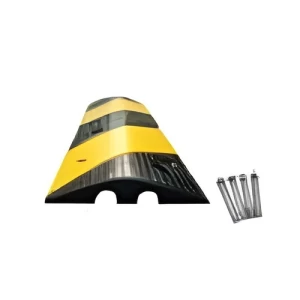
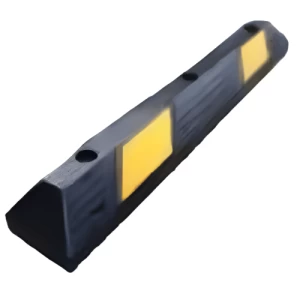
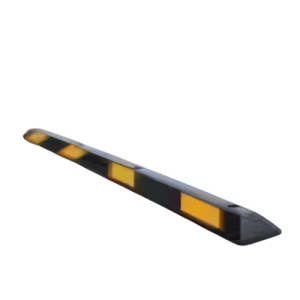
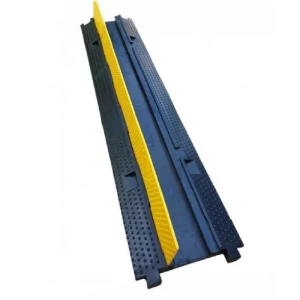
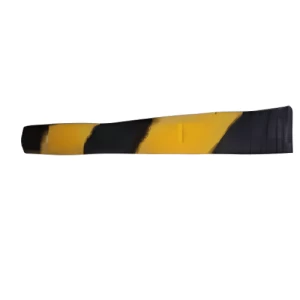
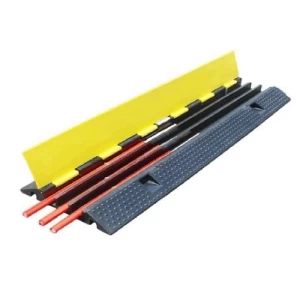
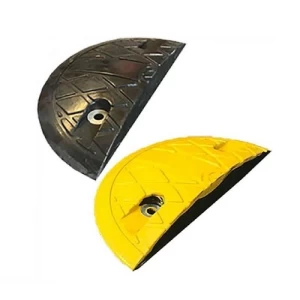
Yes. Matkel speed reducers are made from UV-resistant rubber, reinforced plastic, or concrete that withstands Riyadh, Jeddah, and Dammam heat, humidity, and temperature swings. Proper installation keeps the surface stable, reduces deformation, and maintains a smooth, safe profile for vehicles over time.
For public roads in Saudi Arabia, coordinate with the relevant municipality or traffic authority before installation. For company parking, schools, or private compounds, you can install them after checking dimensions, load ratings, and vehicle flow. This helps ensure safety, avoids blocking routes, and keeps the area compliant with local requirements.
Rubber speed reducers are lighter, easier to install, and usually more affordable, making them suitable for parking lots and low-speed routes. Concrete options cost more but provide greater stability and handle heavy trucks. Choose based on location, traffic volume, vehicle type, and project budget.
No, when the correct height is selected and the reducer is properly installed, vibration is greatly reduced. Matkel designs use a gradual ramp shape to spread load impact more evenly. Drivers should still follow the posted speed and avoid repeatedly running over the edge to protect tires, suspension, and occupants.
Prices depend on material, size, thickness, quantity, and delivery location. Lighter rubber models for private parking may cost less than larger industrial or concrete units. In Saudi Arabia, final quotes can include delivery to Riyadh, Jeddah, or Dammam after the chosen size is confirmed.