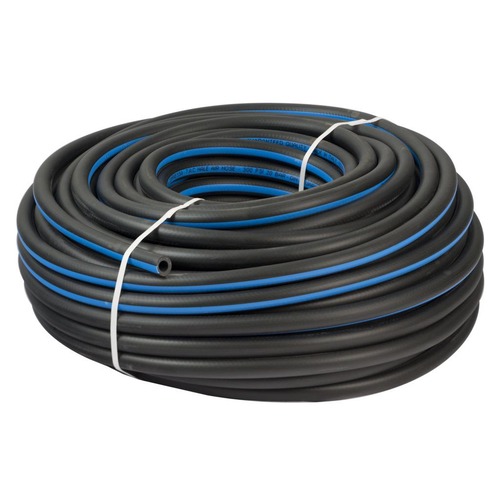
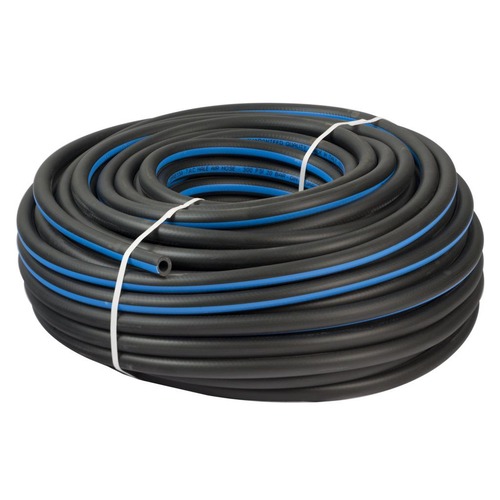
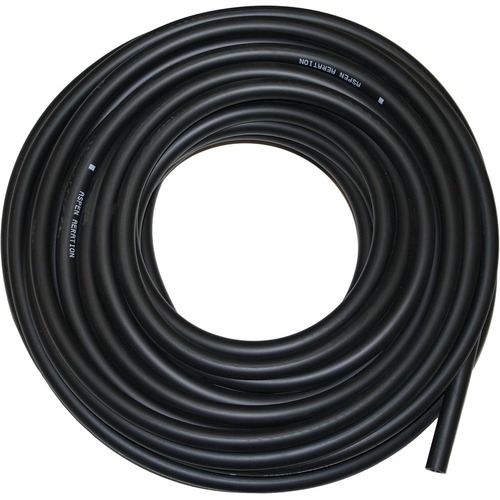
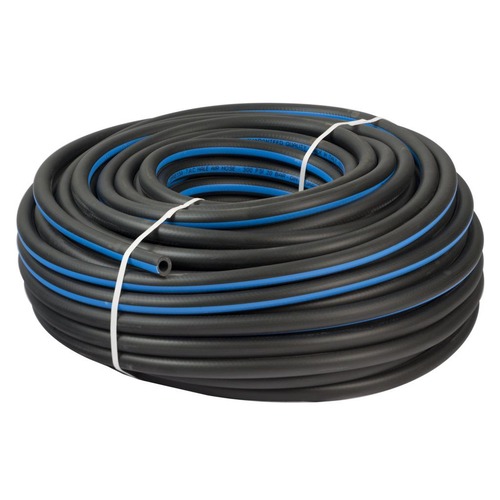
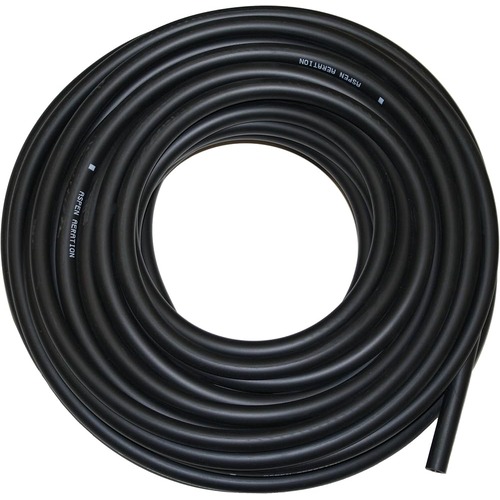
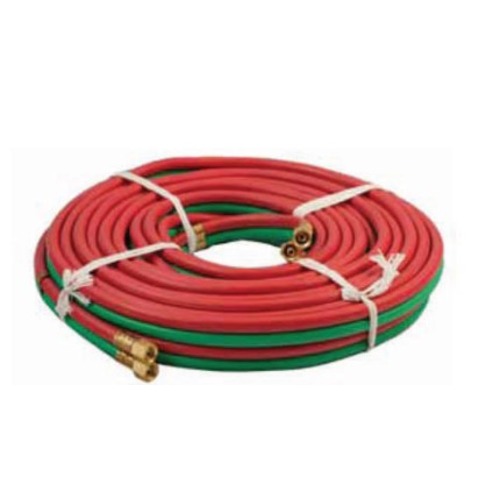
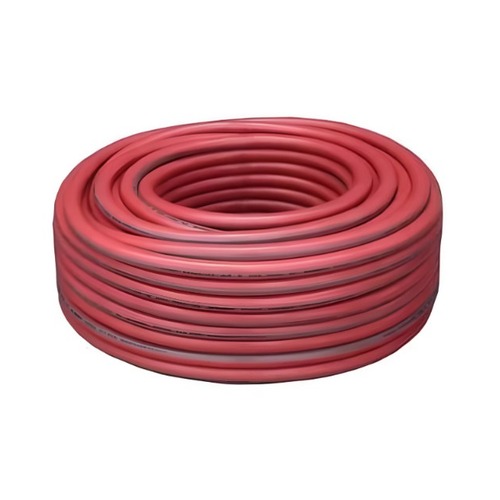
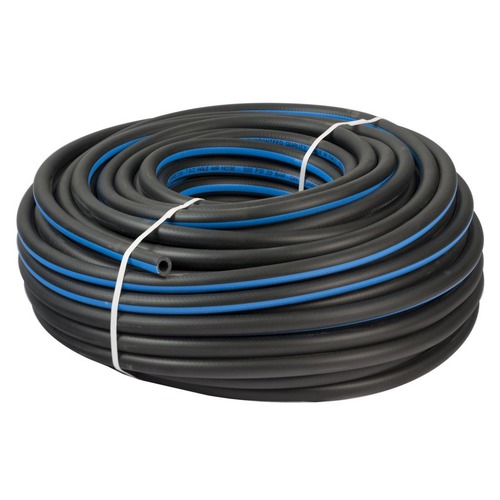
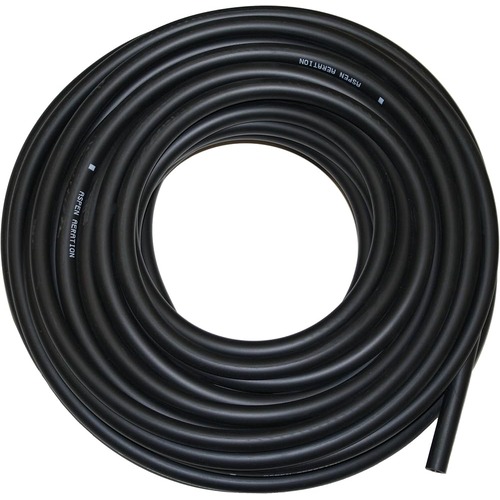
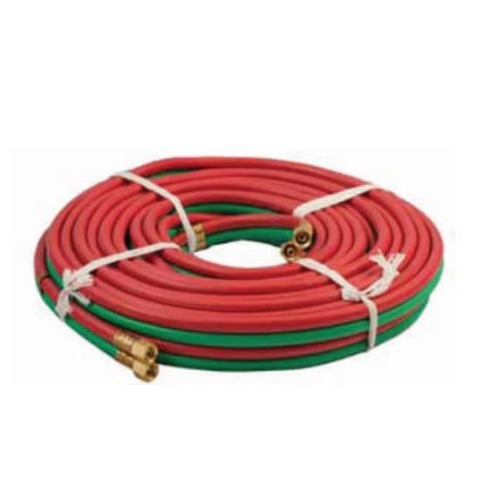
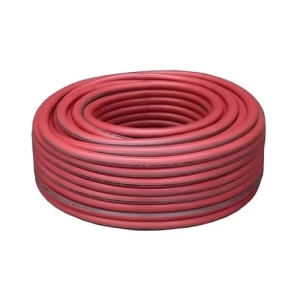
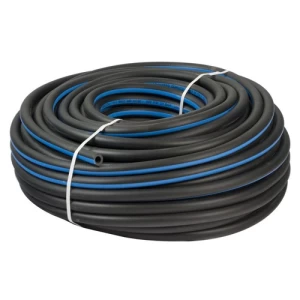
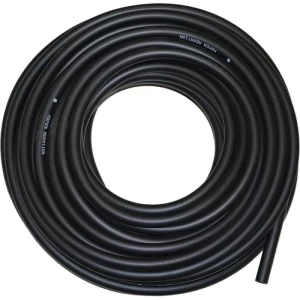
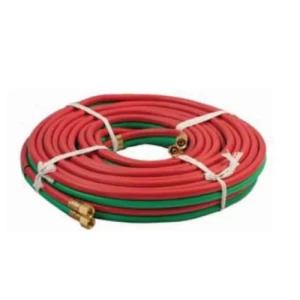
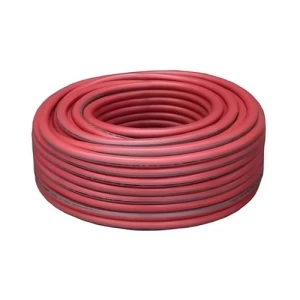
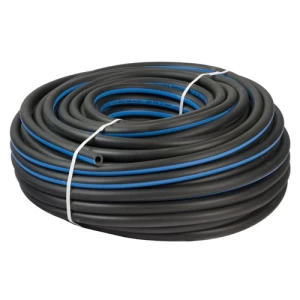
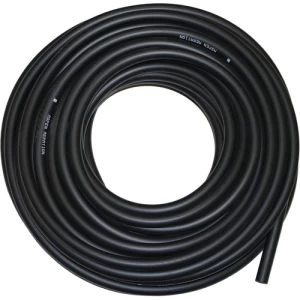
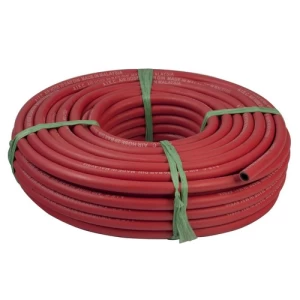
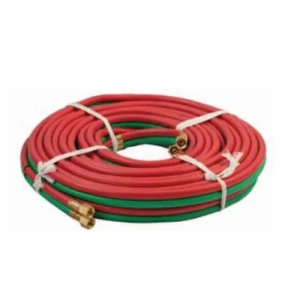
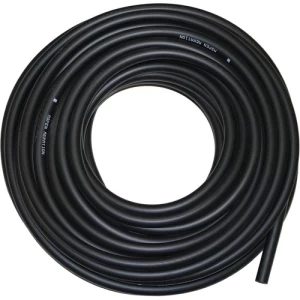
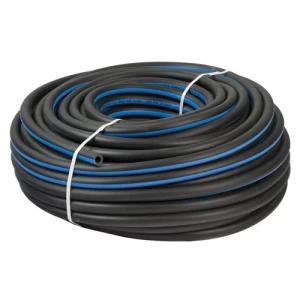
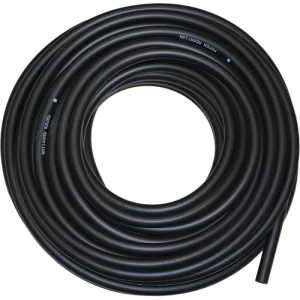
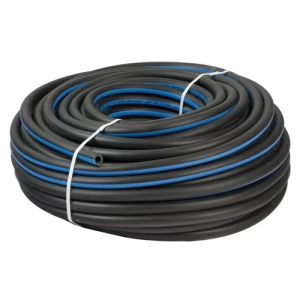
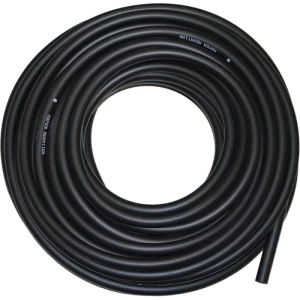
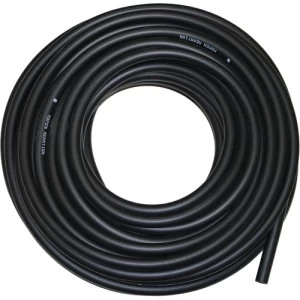
It depends on pump output and site access. For routine concrete pours, 80 mm or 100 mm hoses are common, while larger pumps may require 125 mm. Choose a size that matches the pump outlet and keeps aggregate flowing smoothly, reducing blockage and vibration in hot Saudi site conditions.
PVC hoses are lighter and lower cost, suited to water and less abrasive fluids. Rubber hoses handle friction, bending, and higher pressure better, making them preferred for concrete pumping and sand systems in Saudi projects, especially outdoor sites with strong sun and high temperatures.
Yes. Prolonged exposure to direct sunlight can crack the outer layer or reduce flexibility over time. Select UV-resistant, heat-tolerant hoses and store them away from direct sun. Replace any hose with visible cracks, swelling, or stiff sections before using it for concrete or abrasive material transfer.
Maximum pressure varies by manufacturer and hose size. Modern construction hoses are usually rated for concrete pumps when the correct size and condition are selected. Always check the pressure rating printed on the hose wall, and avoid undersized or damaged hoses to prevent joint slippage or failure during pouring.
Yes. Matkel supplies reliable construction hoses with warranty against manufacturing defects and multiple length options for different build projects. Contractor pricing and bulk discounts are available for large orders, with site delivery across Riyadh, Jeddah, and other Saudi regions on request.