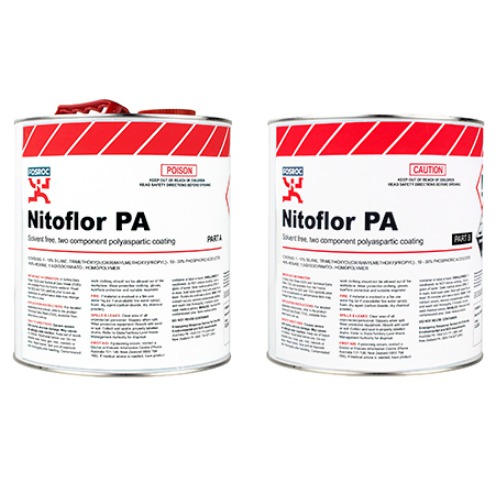
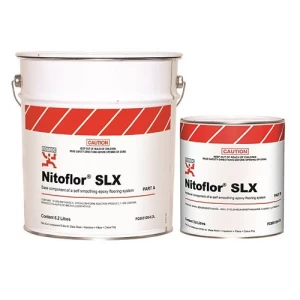
Cost depends on floor thickness, concrete condition, coating system, and city. In Riyadh and Jeddah, installed prices usually start from a mid-range level and increase for heavy factory or warehouse areas. Matkel can assess the floor and provide a precise quote before work begins.
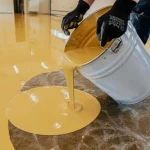
Epoxy offers high hardness, chemical resistance, and a strong base for industrial floors. Polyurethane is more flexible, handles scratches and UV exposure better, and is often used as a top coat over epoxy or on ceramic tiles. The best choice depends on traffic, loads, and sunlight exposure.
Yes, when a suitable industrial polyurethane system is selected and the ceramic surface is properly prepared. The tiles should be cleaned, dust-free, and bonded with the right primer. It can support daily foot traffic and moderate equipment, but severe loads need a professional assessment.
Epoxy flooring usually needs one to three days for initial curing. You can walk on it after one or two days, while full use is often possible after about a week, depending on temperature and humidity. In hot Saudi summers, curing may be faster if ventilation is adequate.
Yes. Industrial epoxy and polyurethane systems are formulated to resist moisture, oils, and solvents according to the product composition. They are well suited for warehouses and factories in Saudi Arabia, especially when UV-resistant coatings are selected for exposed areas. Choose a certified system for long-term protection.