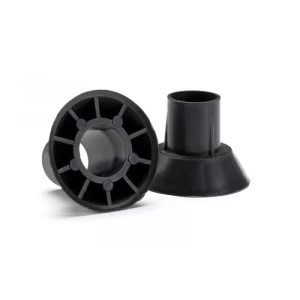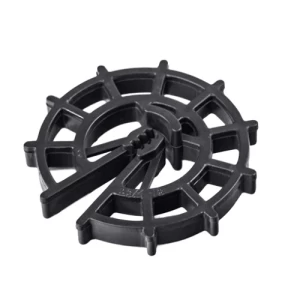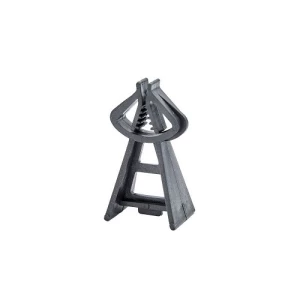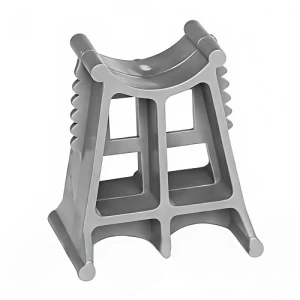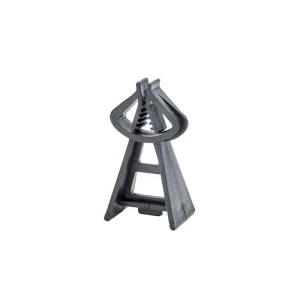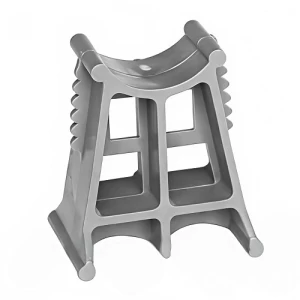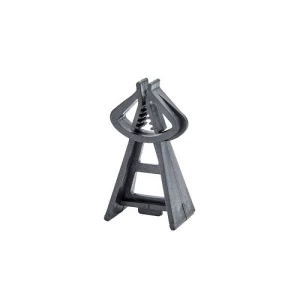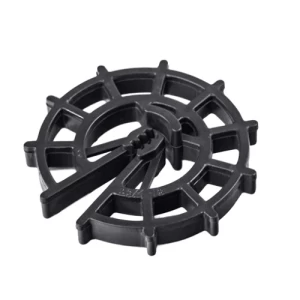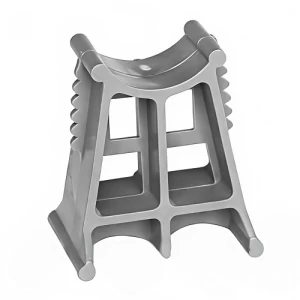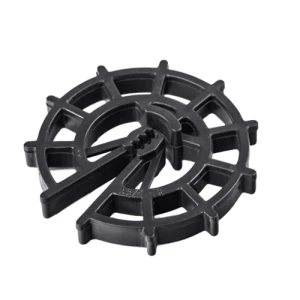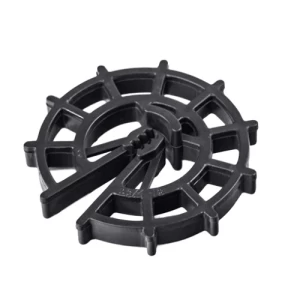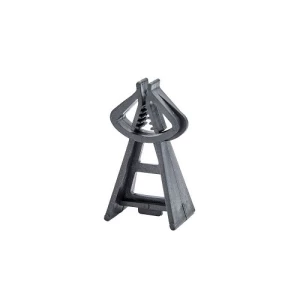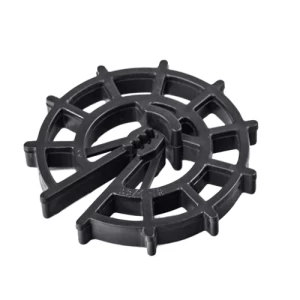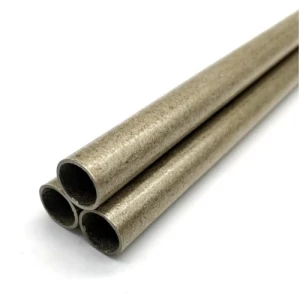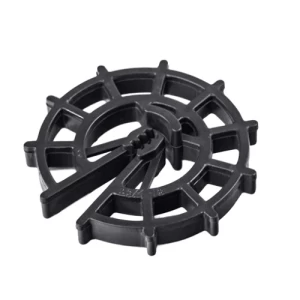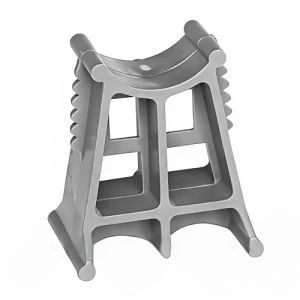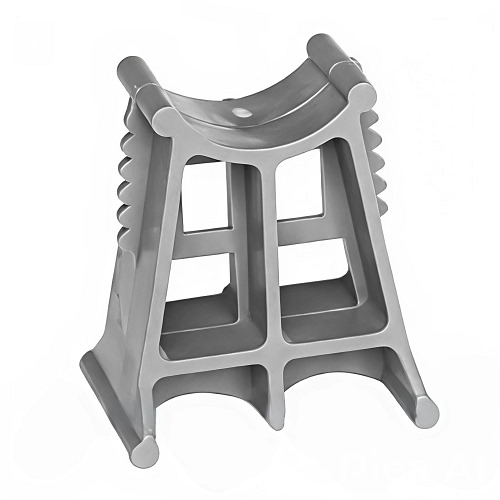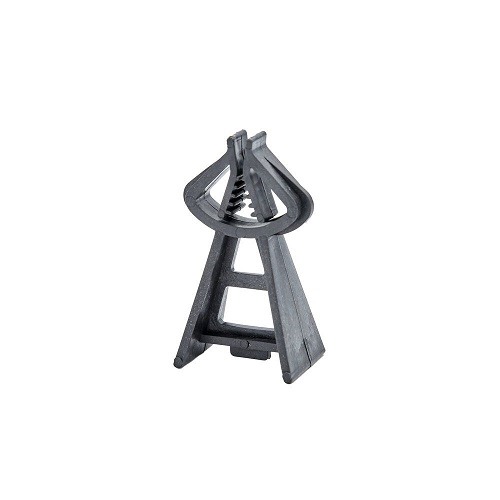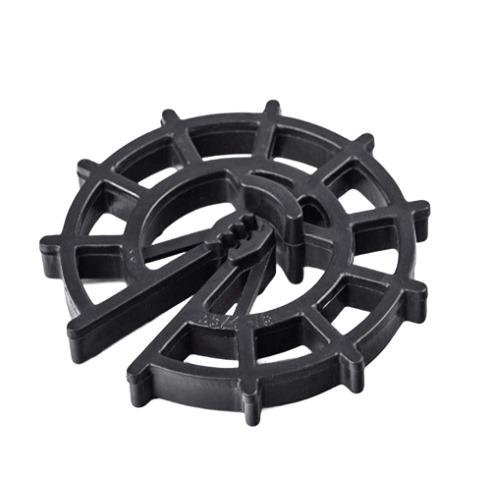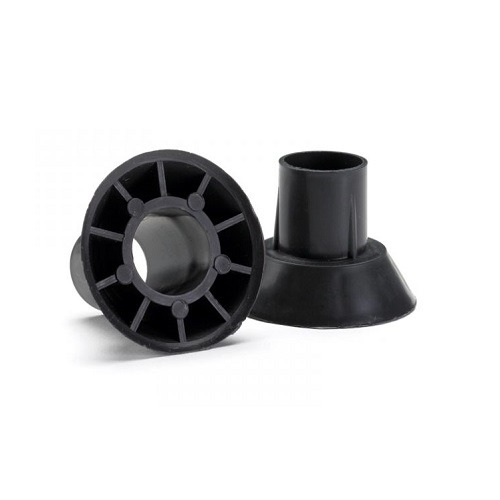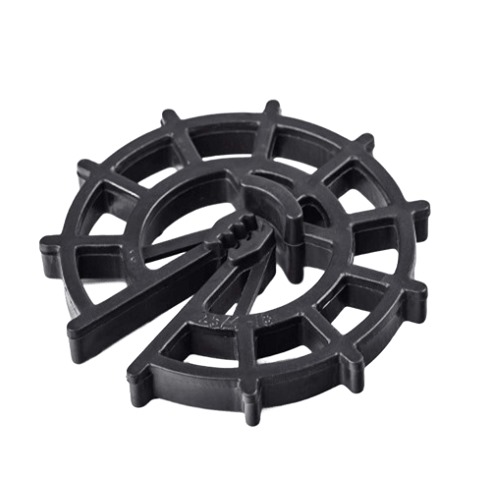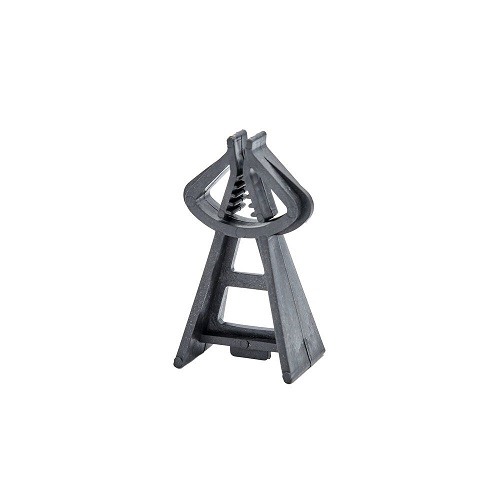


















Plastic spacers are lighter and easier to install, making them suitable for tiling and lightweight formwork. Metal spacers are stronger and offer better stability for heavy concrete slabs. The right choice depends on element thickness, tile type, and on-site pressure in Saudi projects.
Measure the gap between form panels or tiles, then select a spacer with the same thickness. At Matkel, we recommend following the design-specified size and spacing spacers evenly to keep panels stable and prevent uneven tile levels or voids.
Yes, if they are made from construction-grade materials rated for high heat and moisture. Check for dimensional stability so spacers do not warp under sun or during pouring, which is especially important in coastal Jeddah where salt air and humidity can affect building materials.
No. When the correct size is selected and spacers are fixed at equal intervals, panels stay stable and the concrete surface remains level. In tiling, evenly distributed spacers help maintain consistent joint widths and prevent height differences or unwanted gaps after finishing.
Yes, bulk supply is available for contractors and building projects, with pricing suited to sites in Riyadh, Jeddah, and Dammam. Spacer quantities and sizes can be planned from drawings in advance, helping ensure on-site availability and reducing delays during construction.