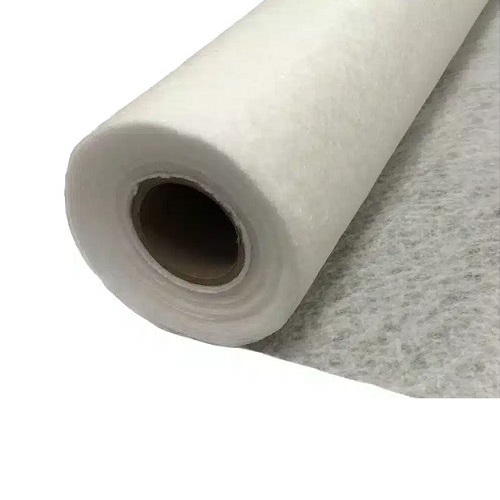
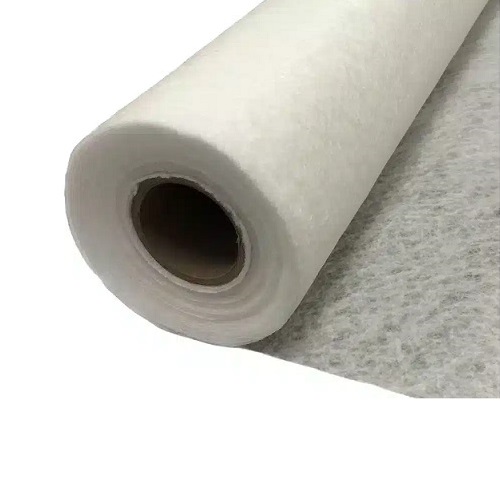
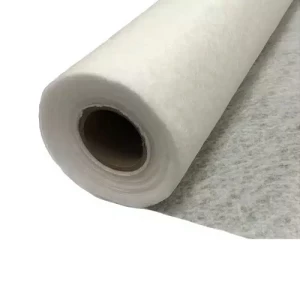
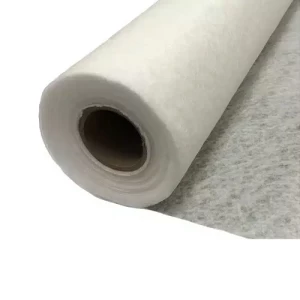
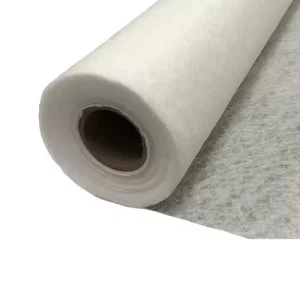
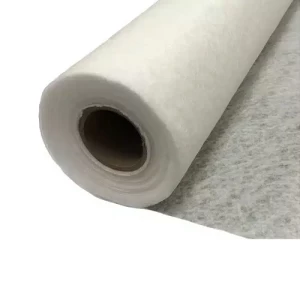
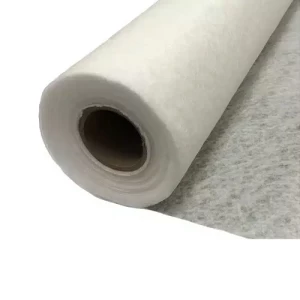
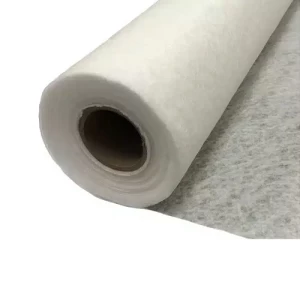
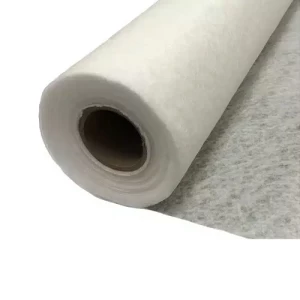
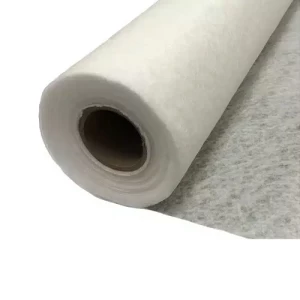
Construction Geotextile Fabrics

Sort by:
general.shop_by_brand

general.shop_all

general.more_from_matkel

general.shop_all

general.most_viewed

general.shop_all
SAVE UP TO $20.00
Daily Deal with

Up to 35% off on our Products

Shop Now
Featured Product
$1999

❓ Frequently Asked Questions

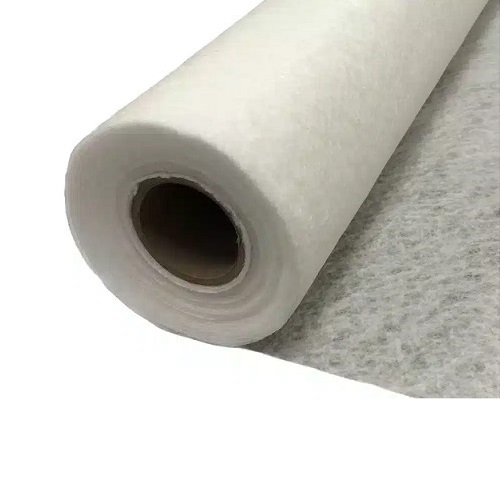
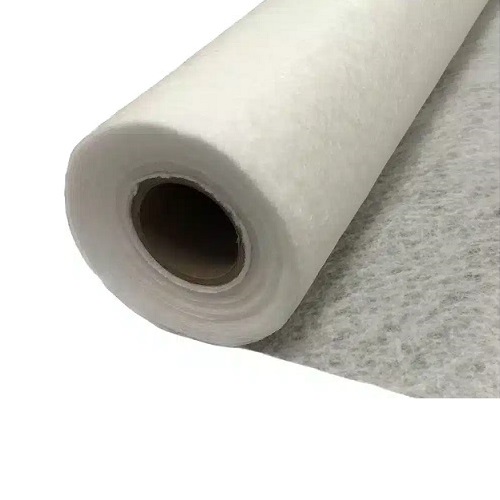
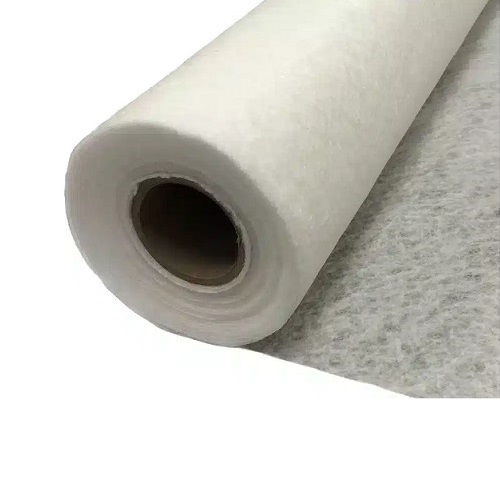
Non-woven geotextile is best for separating, filtering, and protecting soil in Saudi roads and construction sites. Woven fabric is stronger in tension and is used for slope, shore, and heavy reinforcement work. For most Saudi roads, non-woven is preferred because it installs quickly, controls erosion, and usually offers a better cost.
For base courses and sandy soils in Riyadh or Jeddah, 150 to 250 g/m² is often used. For clay soils, high traffic, or heavy loads, choose 250 to 400 g/m². Saudi government projects usually require approved standards, so use certified fabrics with a test report to avoid approval issues.
High UV-stabilized non-woven geotextile maintains its performance in Saudi heat and sun for a long period. However, continuous exposure before covering can gradually weaken it. Cover the fabric with sand, aggregate, or asphalt within the specified time and keep working at suitable temperatures to protect it.
Roll the fabric on a smooth surface and keep at least 30 cm overlap between sheets. Fix it with pegs, sand, or aggregate according to the soil type. Avoid direct traffic from heavy machinery, sharp edges, or digging on the fabric. The supervisor should check it for holes before covering.
Yes, Matkel provides wholesale pricing for large or recurring projects, with tax invoices and quality certificates. Technical support includes guidance on the right weight for the soil and site, plus storage and installation advice. For government work, we can prepare the required compliance data before execution.
Company
Select Display Mode
Company Quotes & Bulk Orders
Individual Shop & Buy Directly