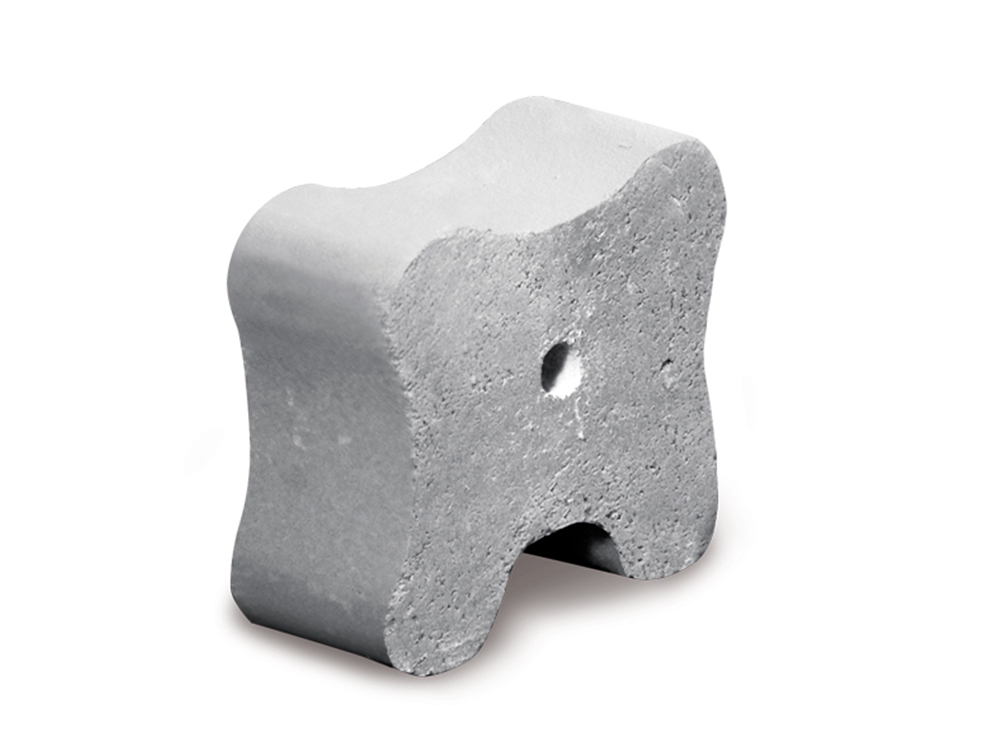
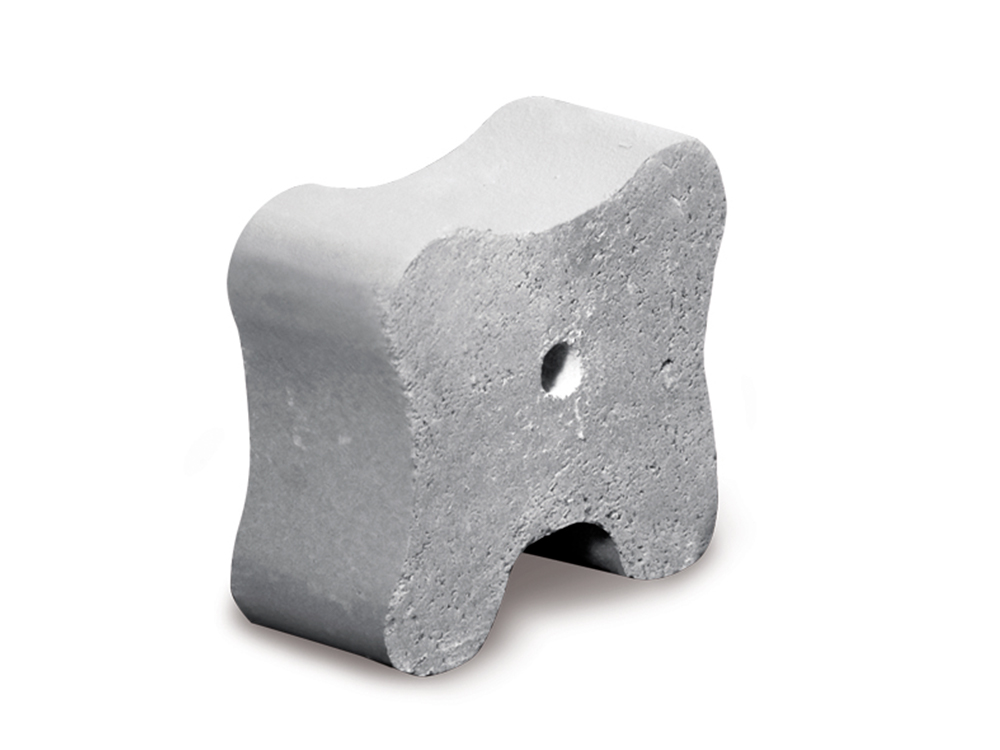
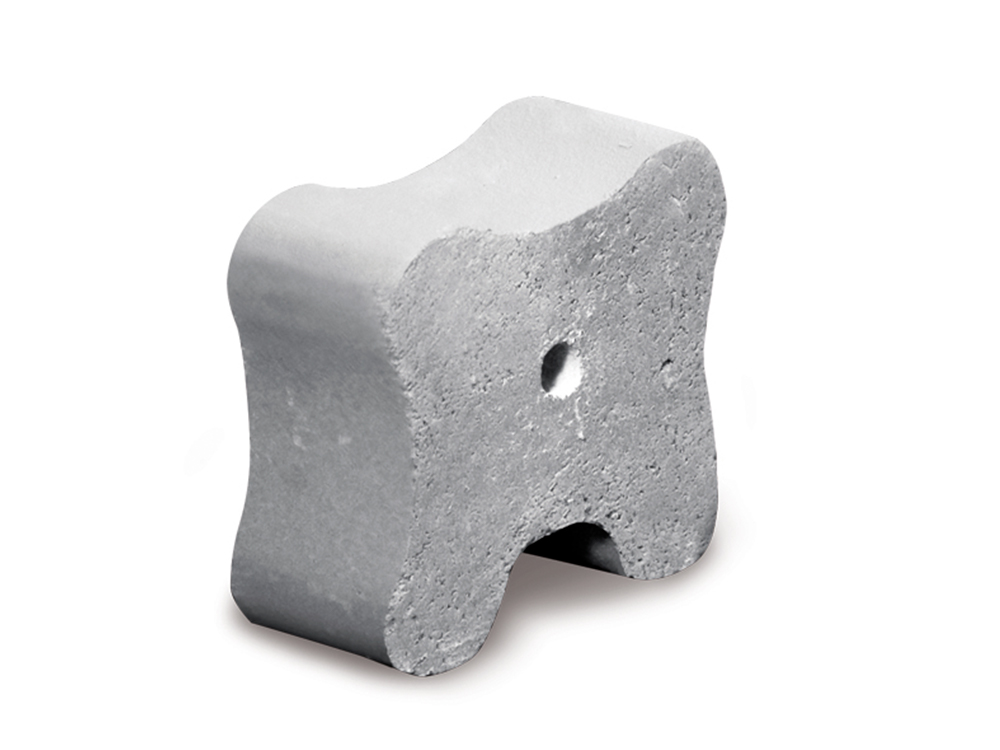
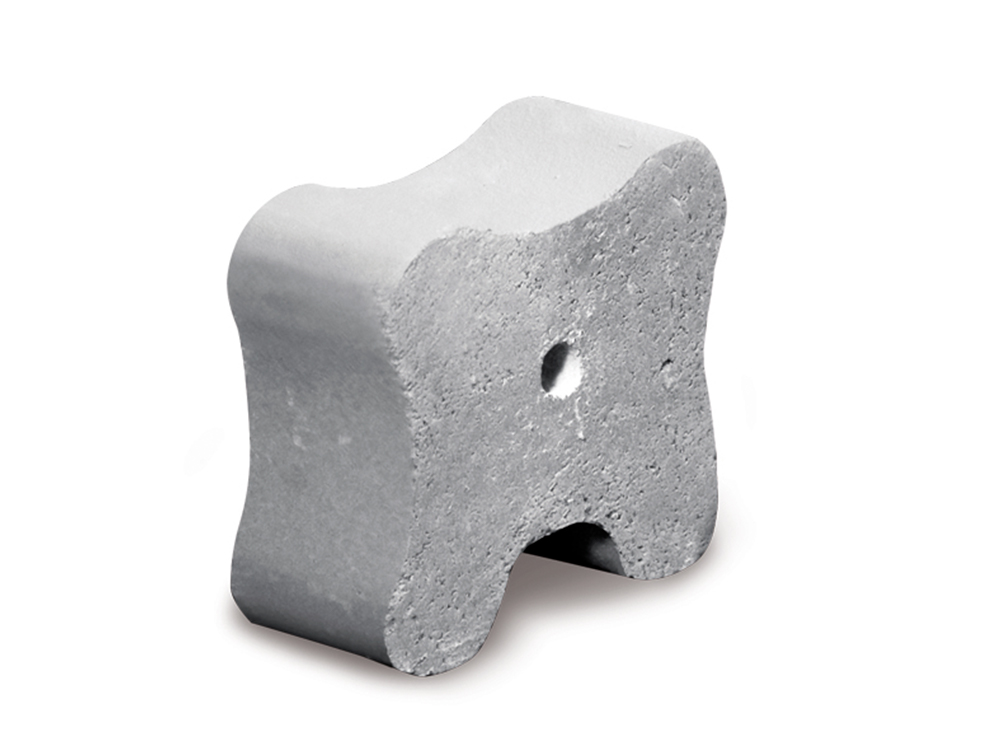
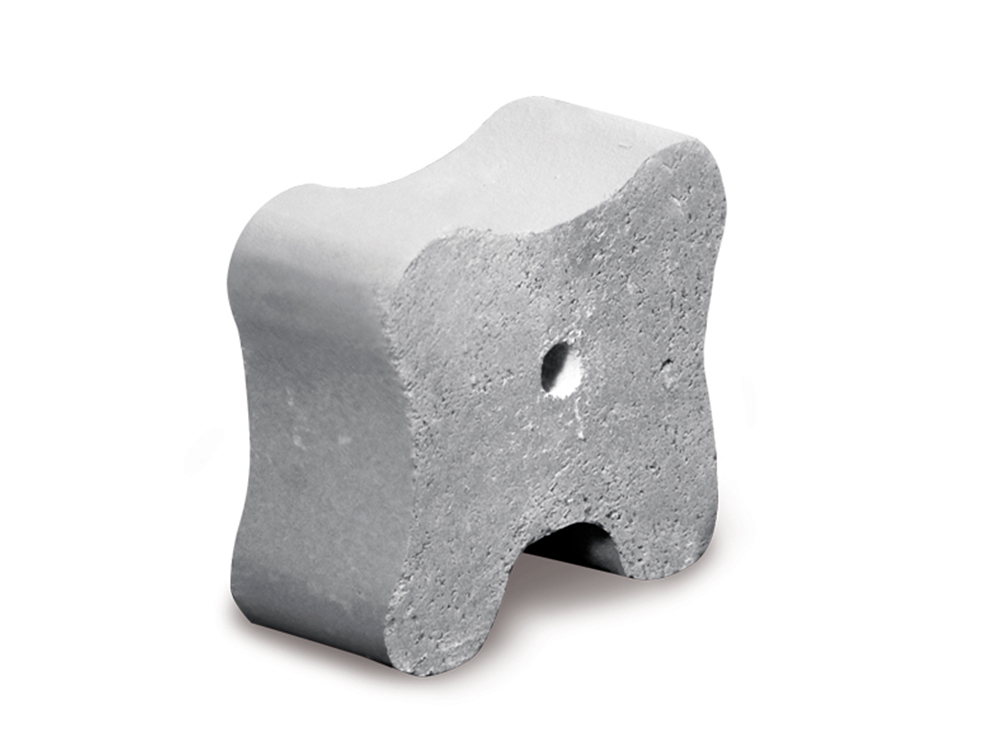
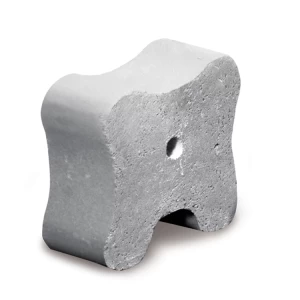
Contractors usually choose plastic spacers for standard roof slabs, while high-strength concrete or durable plastic spacers are used for heavy loads and humid environments. Heights must match the required concrete cover, and spacers must withstand pouring and vibration according to Saudi quality requirements.
Prices vary by size, material, and load capacity, and spacers are usually sold by carton with the carton quantity clearly stated. For large projects, it is best to request an official quotation including delivery and VAT. Matkel offers competitive contractor prices with a tax invoice.
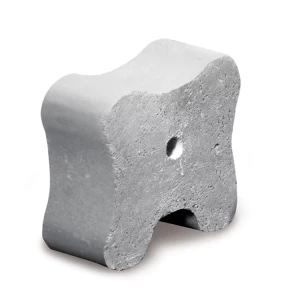
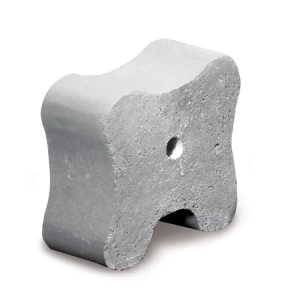
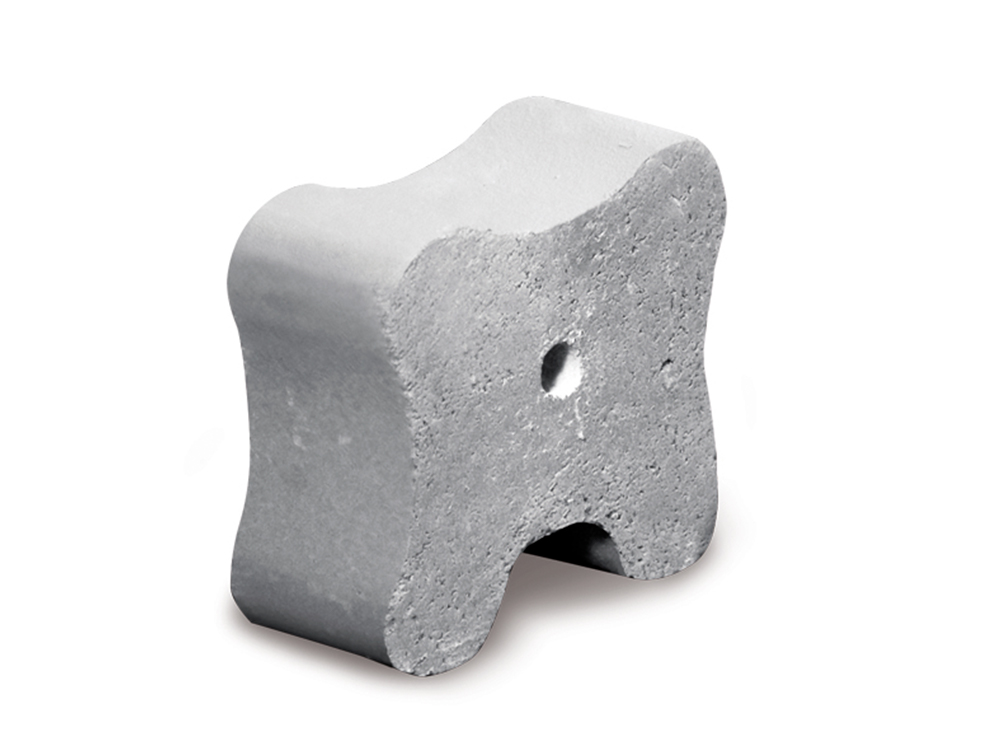
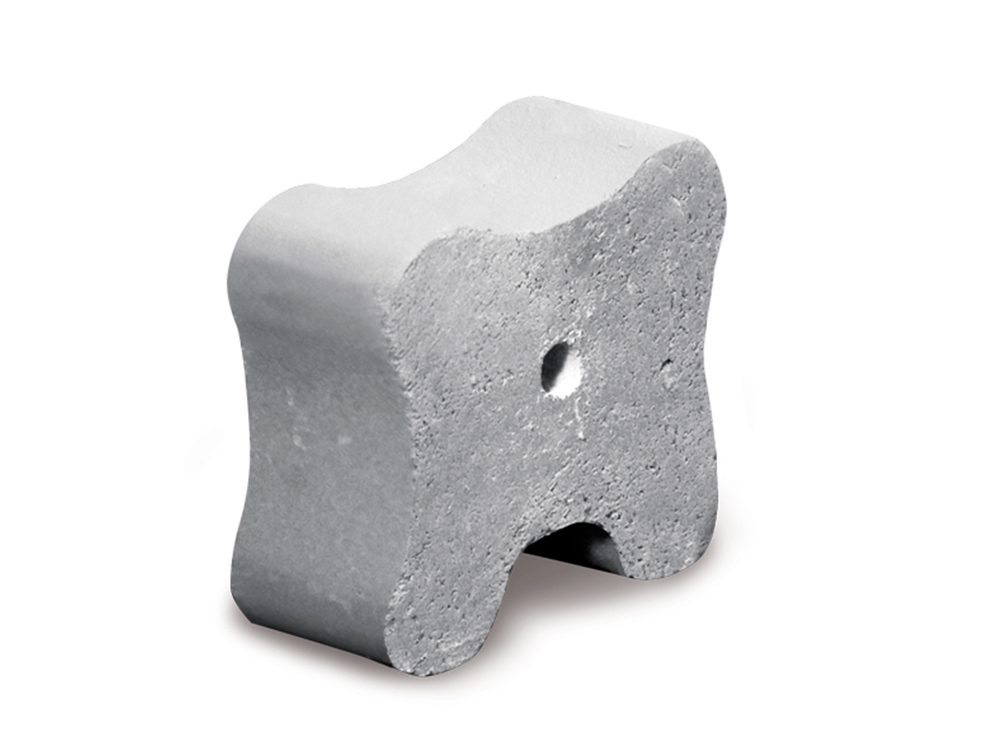
Plastic spacers are lighter, easier to install, and corrosion-resistant, making them suitable for most standard slabs. Concrete spacers are more rigid and handle higher pressure during pouring and vibration, so they are used in thick slabs, precast elements, or harsh construction conditions.
Spacers are mechanically attached to rebar using clips, light wire ties, or bolts, depending on spacer type. Some types use adhesive or direct formwork fixation. The required concrete cover height must be maintained, and all spacers should be checked for firmness before pouring.
Size is determined not only by slab thickness but also by the concrete cover required in the project design. Common spacer heights include 25 mm, 35 mm, and 50 mm. In Saudi projects, choose according to design specifications and local conditions, whether coastal, desert, or high-humidity areas.