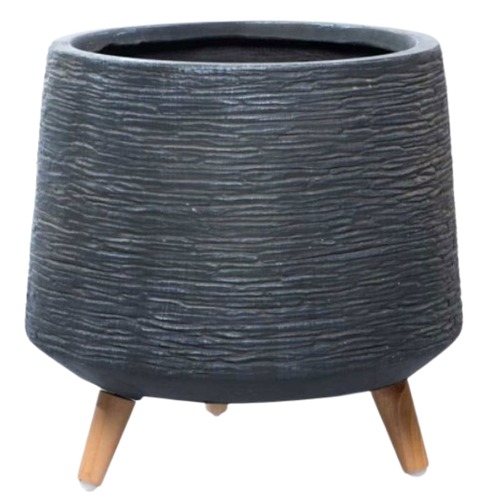
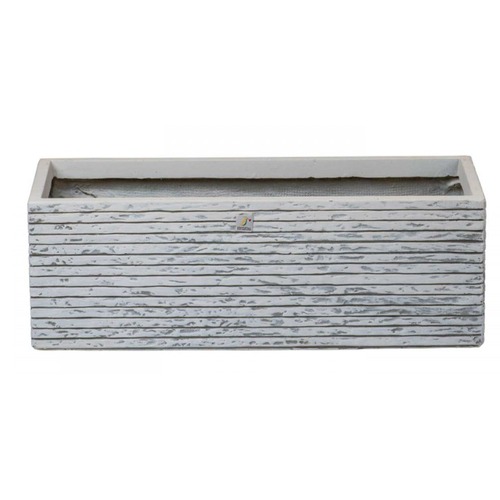
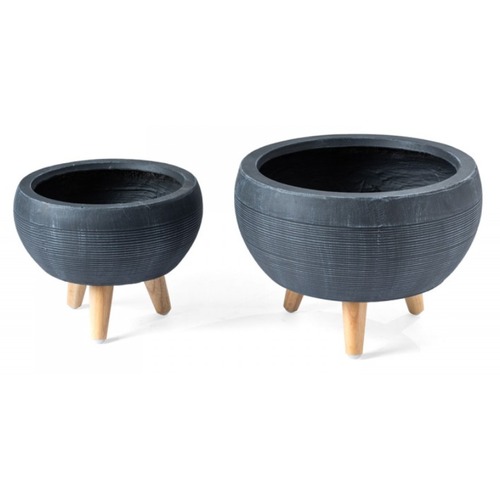
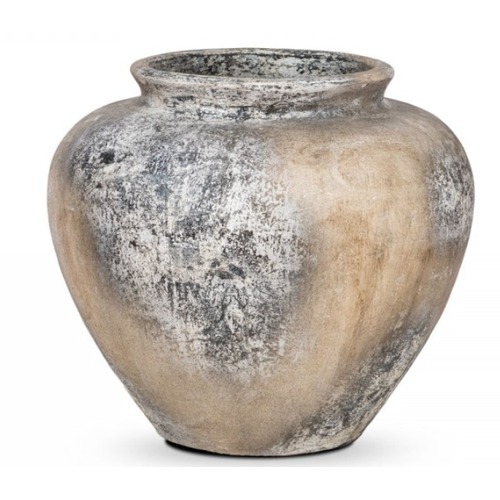
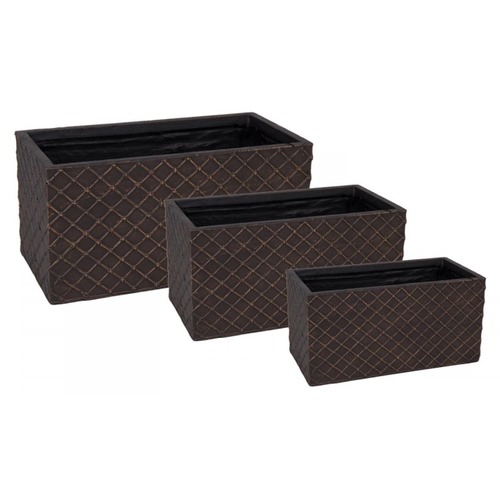
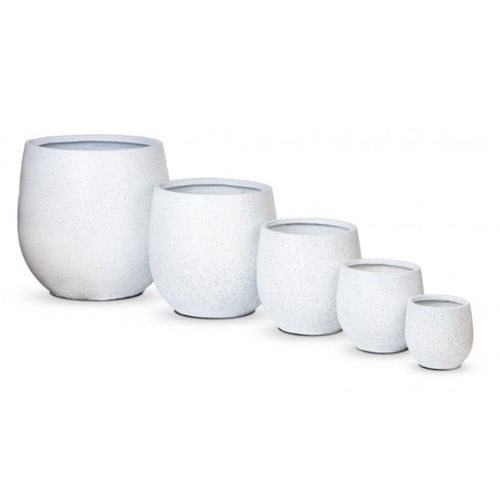
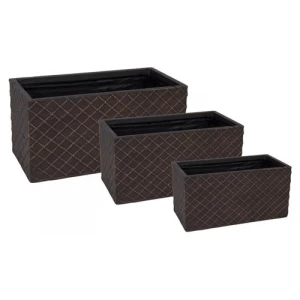
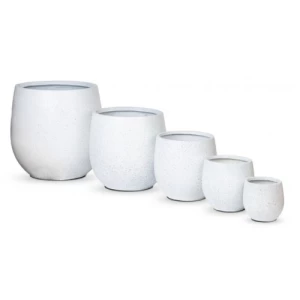
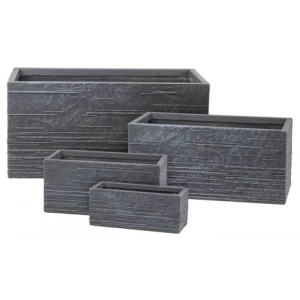
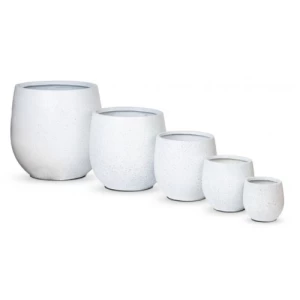
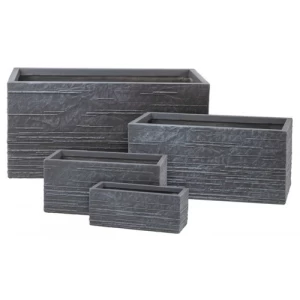
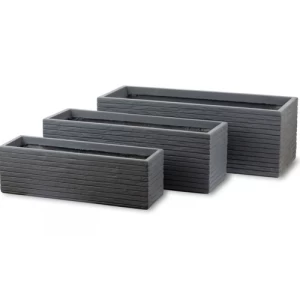
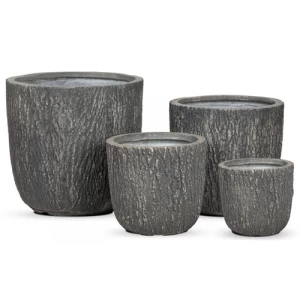
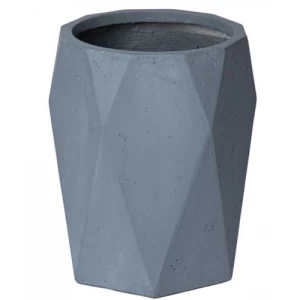
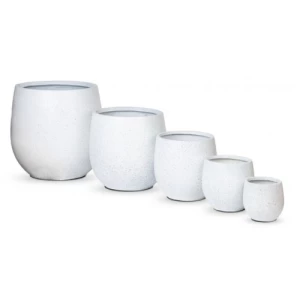
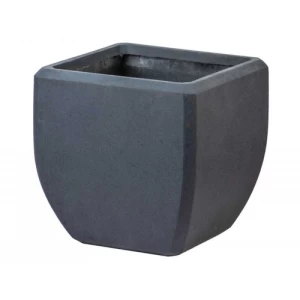
They won’t crack when made from properly thick fiber cement and protected against moisture. They handle temperature swings in Riyadh, Jeddah, and coastal areas, especially when installed on a level base with expansion gaps. Matkel offers modules designed for local climate conditions.
Yes, quality modules include an internal waterproofing layer or moisture-resistant liner, with drainage openings at the bottom. This prevents water from reaching tiles or walls, reducing the risk of stains, erosion, or damage in patios, walkways, and outdoor residential spaces.
They are lighter than traditional concrete but heavier than plastic, so moving them usually takes two people. Matkel provides standard-sized modules that are easy to install over paving or lawn without deep excavation, with simple fixing for home gardens or commercial landscapes.
Fiber cement is lighter and more crack-resistant because added fibers strengthen the material, making transport and installation easier. Ordinary cement is heavier and may crack from vibration or thermal expansion, which makes fiber cement modules a better choice for Saudi homes and commercial projects.
Most outdoor modules use fade-resistant colors that withstand sun and humidity without daily maintenance. Periodically clean dust or algae, check drainage openings, and clear any standing water, which is especially useful in humid areas around Jeddah and Taif.