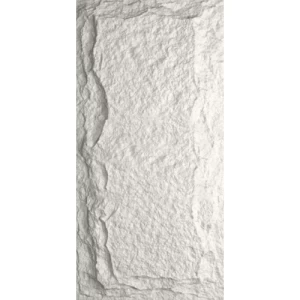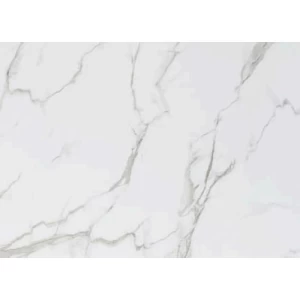
Yes. Matkel exterior cladding systems include thermal insulation, heat- and humidity-resistant coatings, and ventilated designs for Riyadh, Jeddah, and coastal projects. Proper fixing reduces condensation and prevents water from entering the wall, supporting long-term performance in Saudi conditions.
Many Matkel cladding options are fire-rated to meet Saudi Civil Defense requirements and national building standards. Choices include non-combustible panels or approved insulating layers. The right class depends on building use and location, so material certificates and technical reports should be retained for approvals.
Metal cladding is usually better for exposed Saudi facades, offering stability, low maintenance, and stronger resistance to sun, rain, and coastal corrosion. Wood cladding creates a warmer look but needs more insulation, cleaning, and protection, making it more suitable for shaded areas, interiors, or design-focused spaces.
Installation time depends on facade size, cladding system, and structural readiness, ranging from a few days for small areas to several weeks for large projects. Regular maintenance should include checking fixings, joints, insulation, cleaning surfaces, and addressing water pooling, discoloration, or loose panels early to protect the building.
Yes. You can review Matkel cladding panels, standard thicknesses, fixing options, and thermal or acoustic insulation suitable for your project location. Matkel provides technical guidance to help select the right system based on budget, specifications, and available warranty for materials and installation.