For typical Saudi residential and commercial concrete, use 1.2 mm binding wire for columns, slabs, and medium rebar. Use 1.3 mm for heavier loads and rebar 25 mm or larger. This reduces wire breakage, keeps the rebar grid stable in formwork, and is especially useful in humid areas.
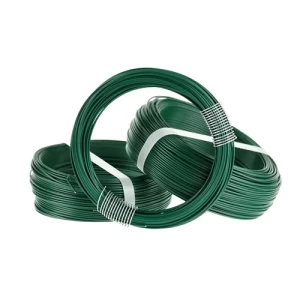
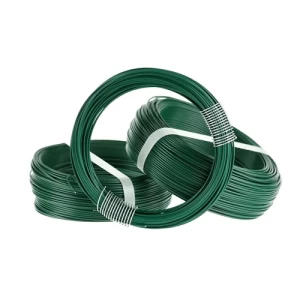
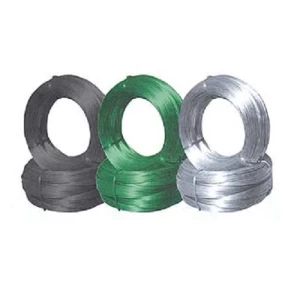
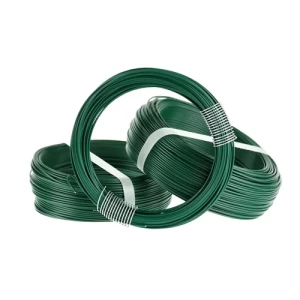
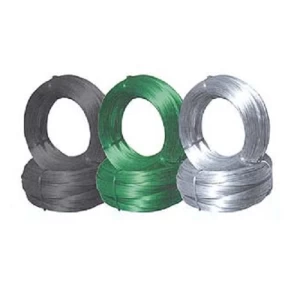
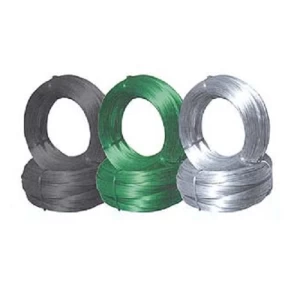
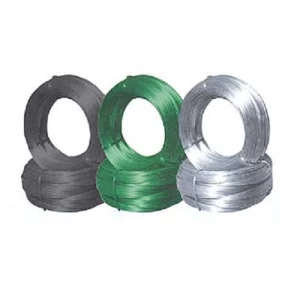
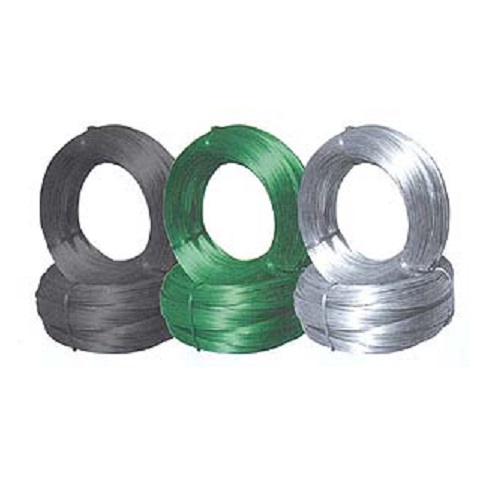
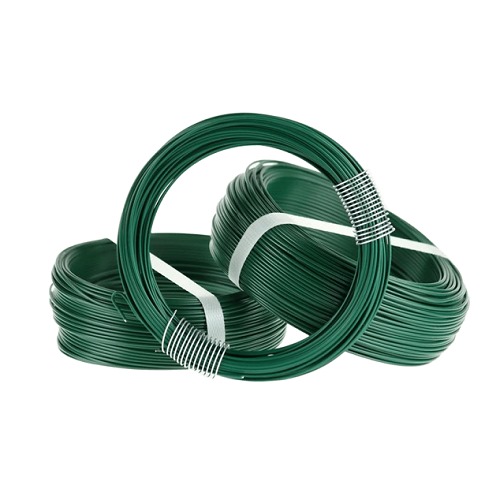
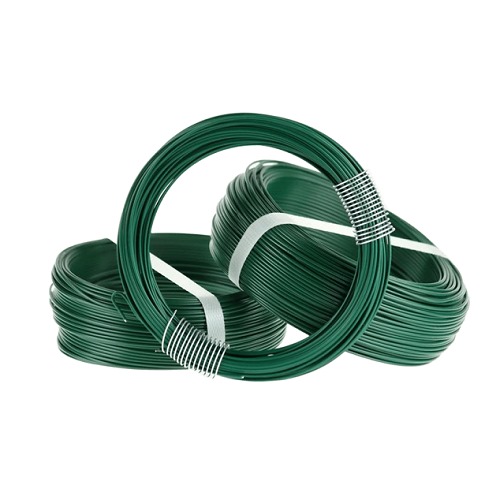
Plain steel binding wire can show surface rust when exposed to water or coastal humidity. Inside concrete, it often performs well. For exposed projects, marine structures, or sites near the Red Sea and Gulf coast, choose galvanized or anti-oxidation wire to extend service life.
The quantity depends on rebar density and bar spacing. A typical slab or ceiling often needs about 0.3 to 0.6 kg per square meter. Walls, foundations, and heavier structural elements can require up to 1.2 kg per square meter, so calculate from the approved structural drawings.
The 1.3 mm wire has a larger cross-section and higher tensile strength, which helps when tying thick rebar or using pneumatic tying tools. The 1.2 mm wire is easier to twist and suits standard rebar grids, making it a practical and economical choice for most building work.
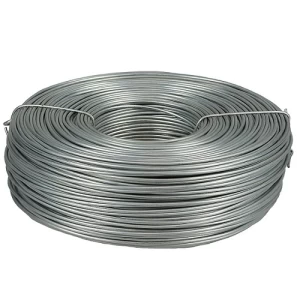
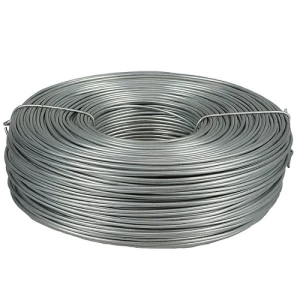
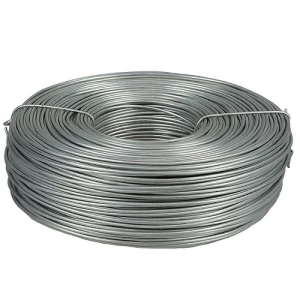
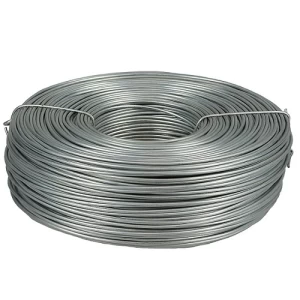
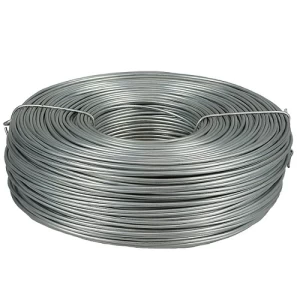
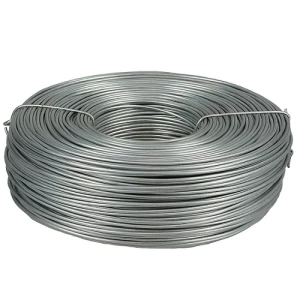
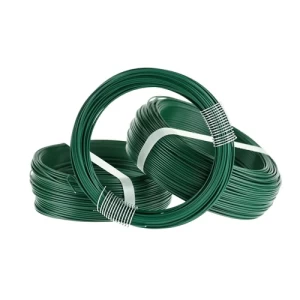
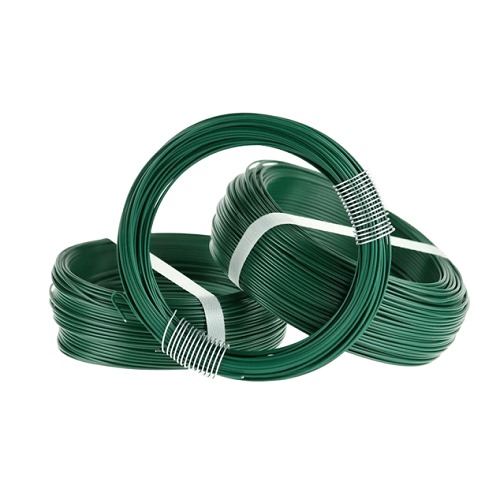
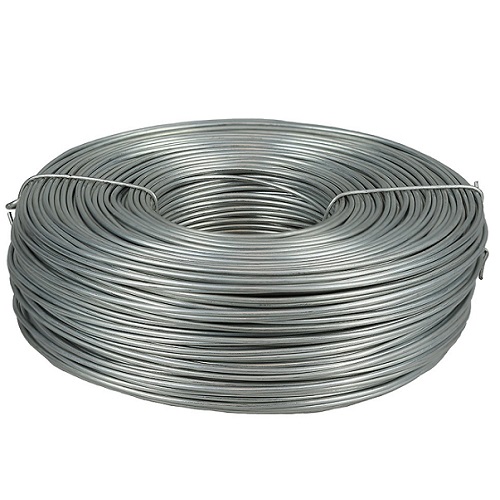
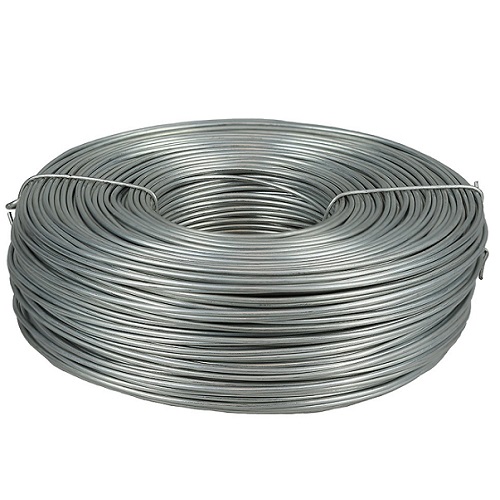
Yes. Matkel supplies soft, bendable binding wire that wraps easily around rebar. It is available in practical bundle sizes that make storage, site handling, and bulk ordering simpler. You can select the size based on the project plan, with materials suited to Saudi specifications and contractor requirements in Riyadh, Jeddah, and other cities.