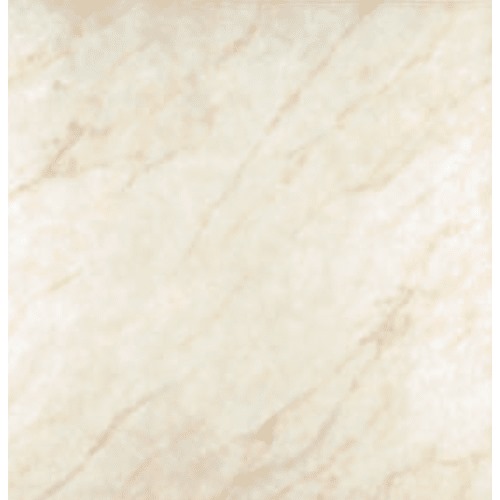
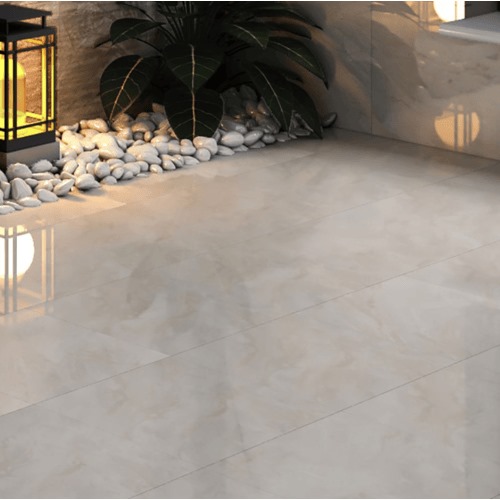
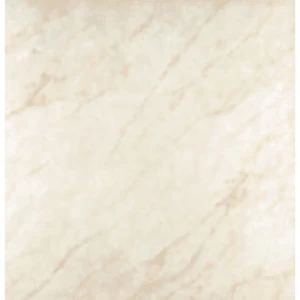
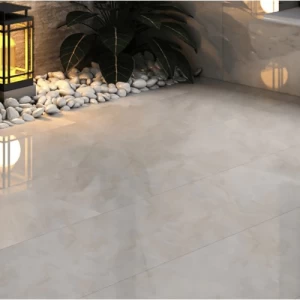
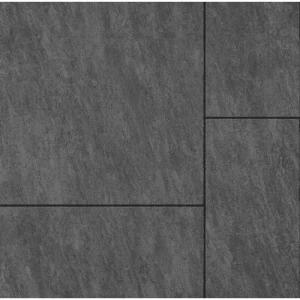
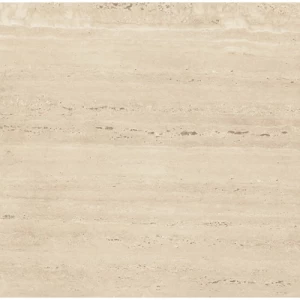
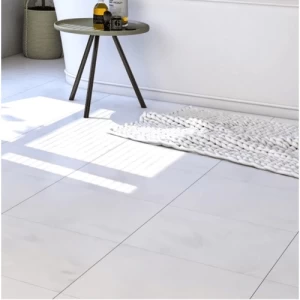
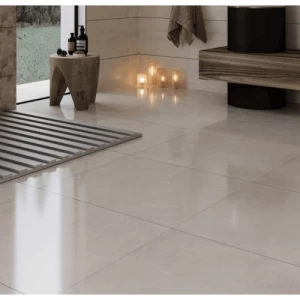
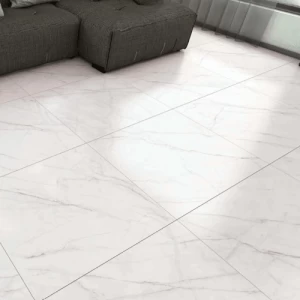
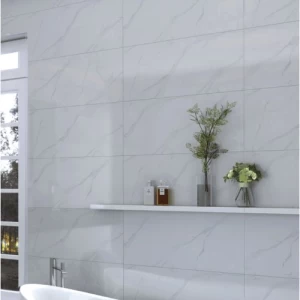
Yes. Choose low-water-absorption ceramic with proper slip resistance. For exposed areas and high-traffic walkways, use dense tiles with high scratch resistance to handle heat, sun exposure, and weather shifts in Riyadh, Jeddah, or other Saudi cities.
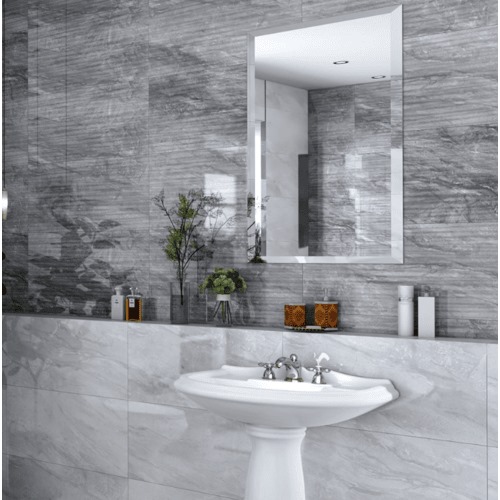
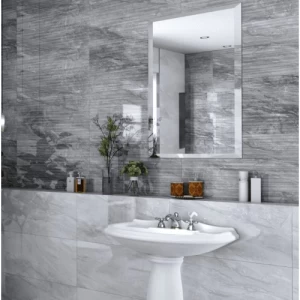
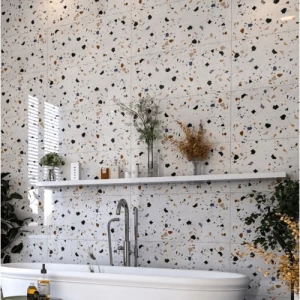
Ceramic is budget-friendly for moderate indoor use, while porcelain offers stronger resistance to moisture, stains, and daily scratches. For humid kitchens and bathrooms, choose low-absorption tiles with slip-resistant surfaces and a tile size that fits the room layout well.
Piece counts vary by tile size and carton format. Measure your floor area and add about 5% extra for cuts and breakage. At Matkel, you can compare pieces per carton, carton price, and price per square meter for each size. Order one shade to avoid color variation.
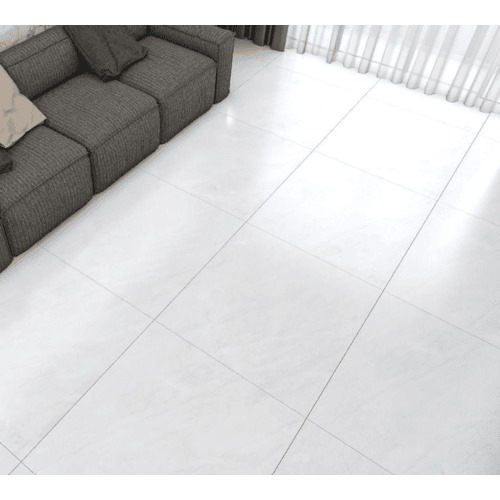
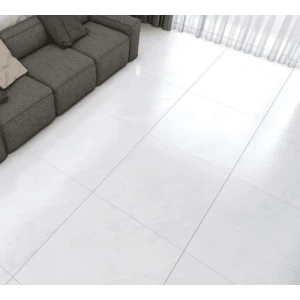
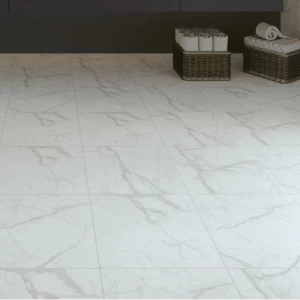
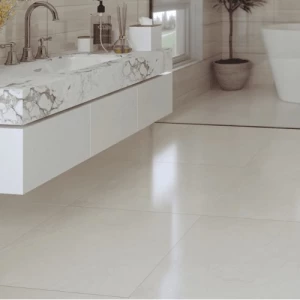
For small kitchens and bathrooms, medium sizes such as 40x40 or 60x60 cm make cutting easier and reduce waste. For living rooms and hallways, 60x60 cm or larger gives a wider look with fewer grout lines, while matching finish to your lighting.
High-wear ceramic usually does not crack if the subfloor is stable, moisture is controlled, and adhesive is applied evenly. Damage often comes from uneven floors or unsuitable materials. Maintain it with neutral cleaners and avoid sudden heavy loads or concentrated point pressure.