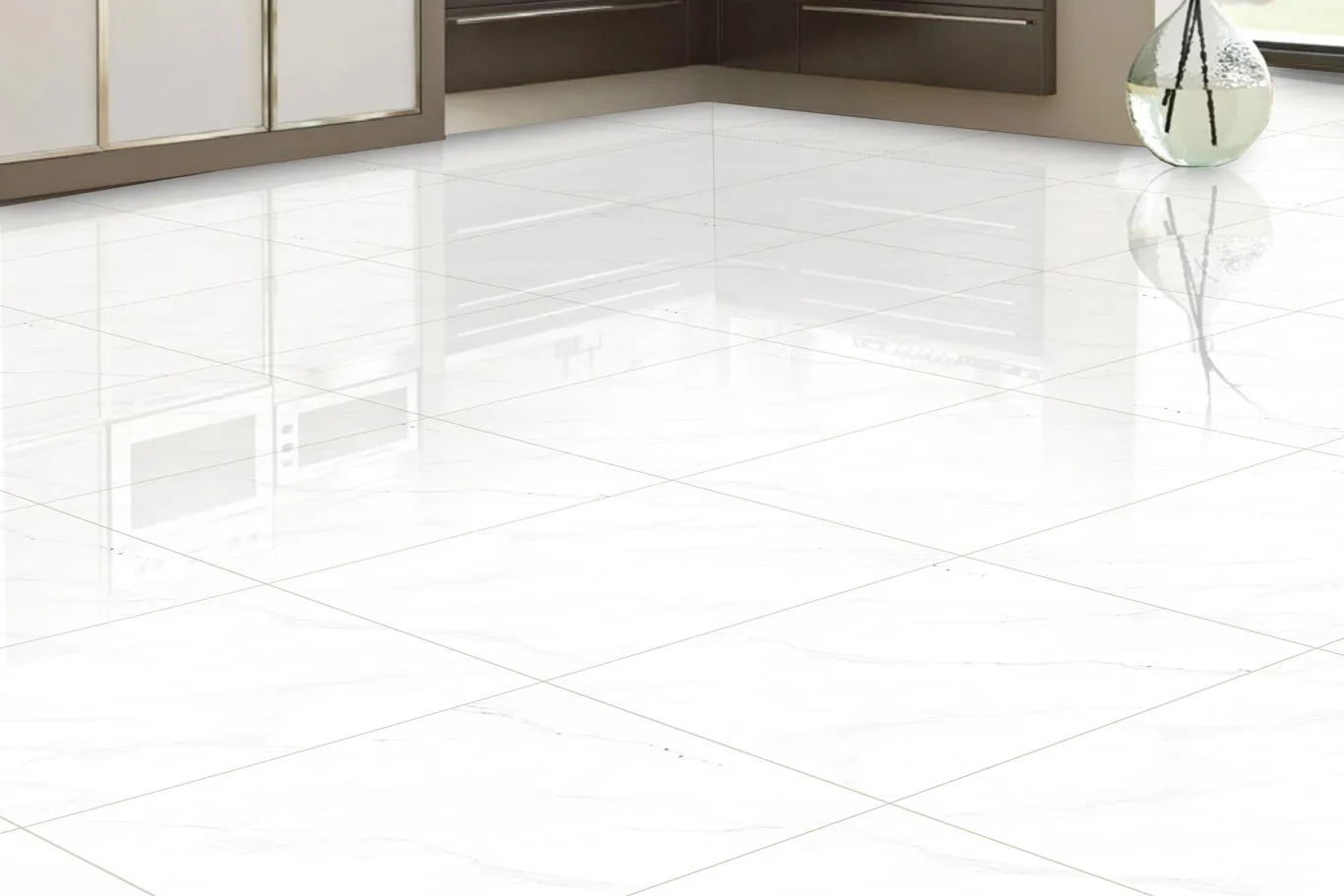
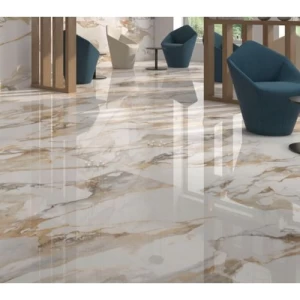
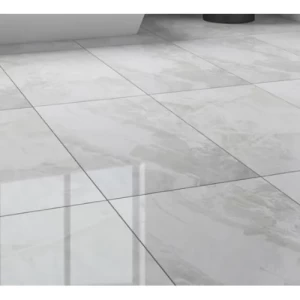
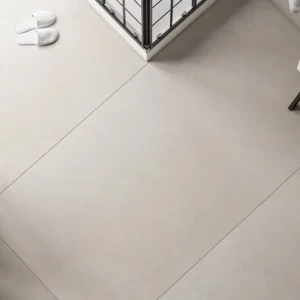
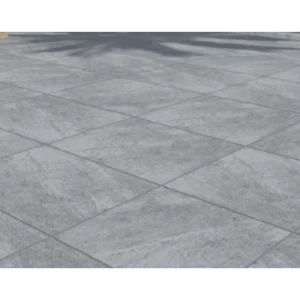
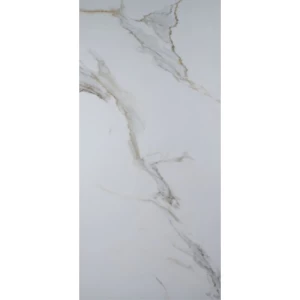
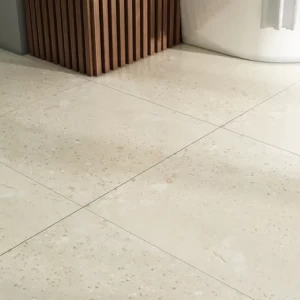
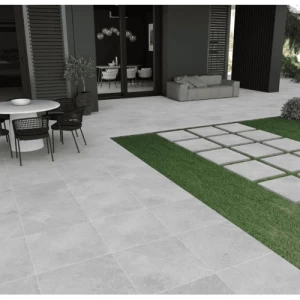
Porcelain tiles are denser, have lower water absorption, and handle heat, moisture, and heavy foot traffic better in kitchens, bathrooms, and entryways. Ceramic tiles are more budget-friendly but can be less durable. For high-traffic Saudi homes, choose matte porcelain to improve slip resistance.
Porcelain tile prices in Saudi Arabia generally range from 100 to 400 Saudi riyals per square meter, depending on brand, size, finish, and import origin. Larger formats, rectified edges, and premium designs cost more. Budget for adhesive, spacers, and professional installation as separate line items.
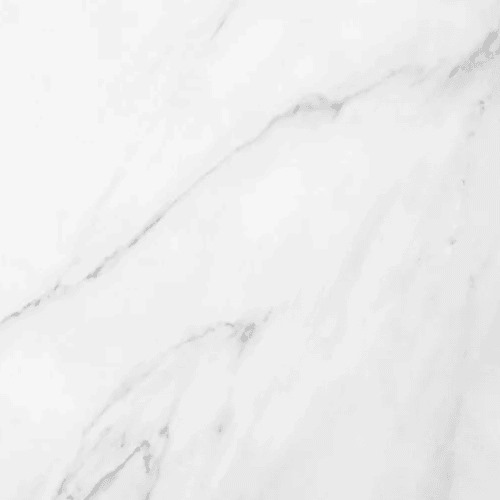
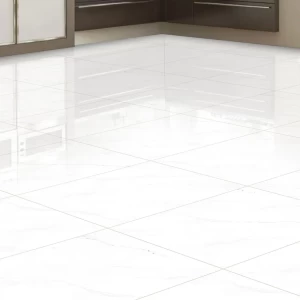
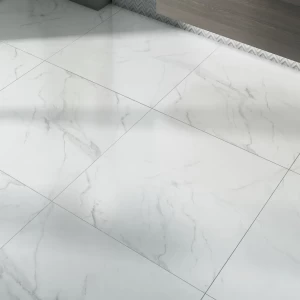
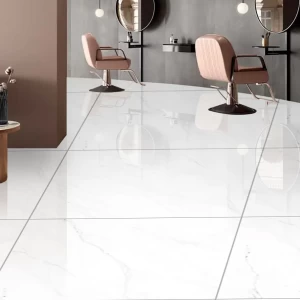
Yes, white porcelain is easy to maintain when it has a matte or stain-resistant finish, especially where heat, humidity, and kitchen splashes are common. Choose the right size, use proper grout lines, and consider light neutral shades if you want a cleaner-looking space.
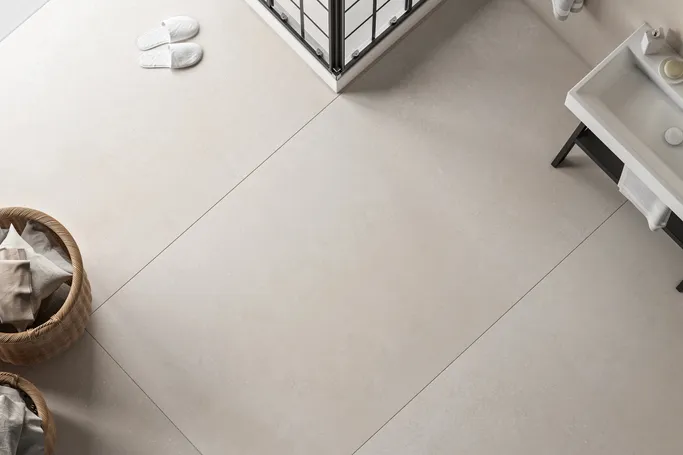
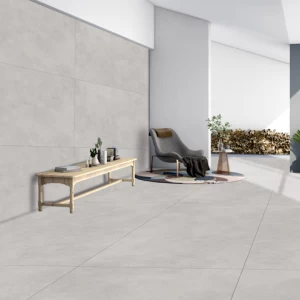
For floors, 60x60 cm and 60x120 cm tiles are common, while walls often use 30x60 cm or 40x80 cm depending on the design. For floor projects, use porcelain at least 9 mm thick, and choose 10 to 12 mm for heavy traffic corridors or commercial areas.
Porcelain requires dedicated tile adhesive, proper spacers, and stable fixing to prevent movement in heat. For bathrooms, kitchens, and wet areas, waterproofing before installation is recommended. Matkel offers tile installation options suited to Saudi climate and helps you select the right system for your project.