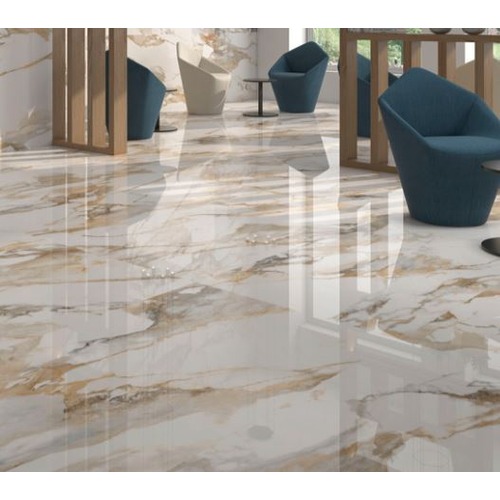
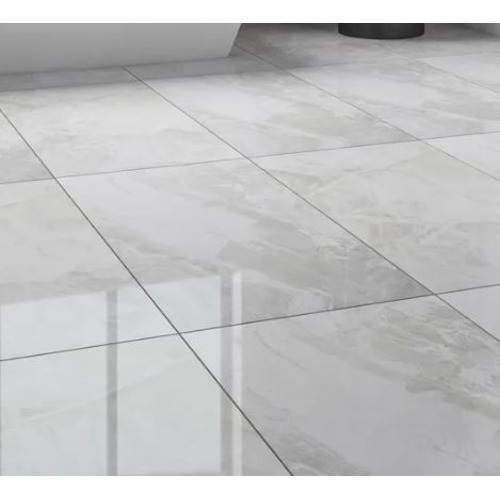
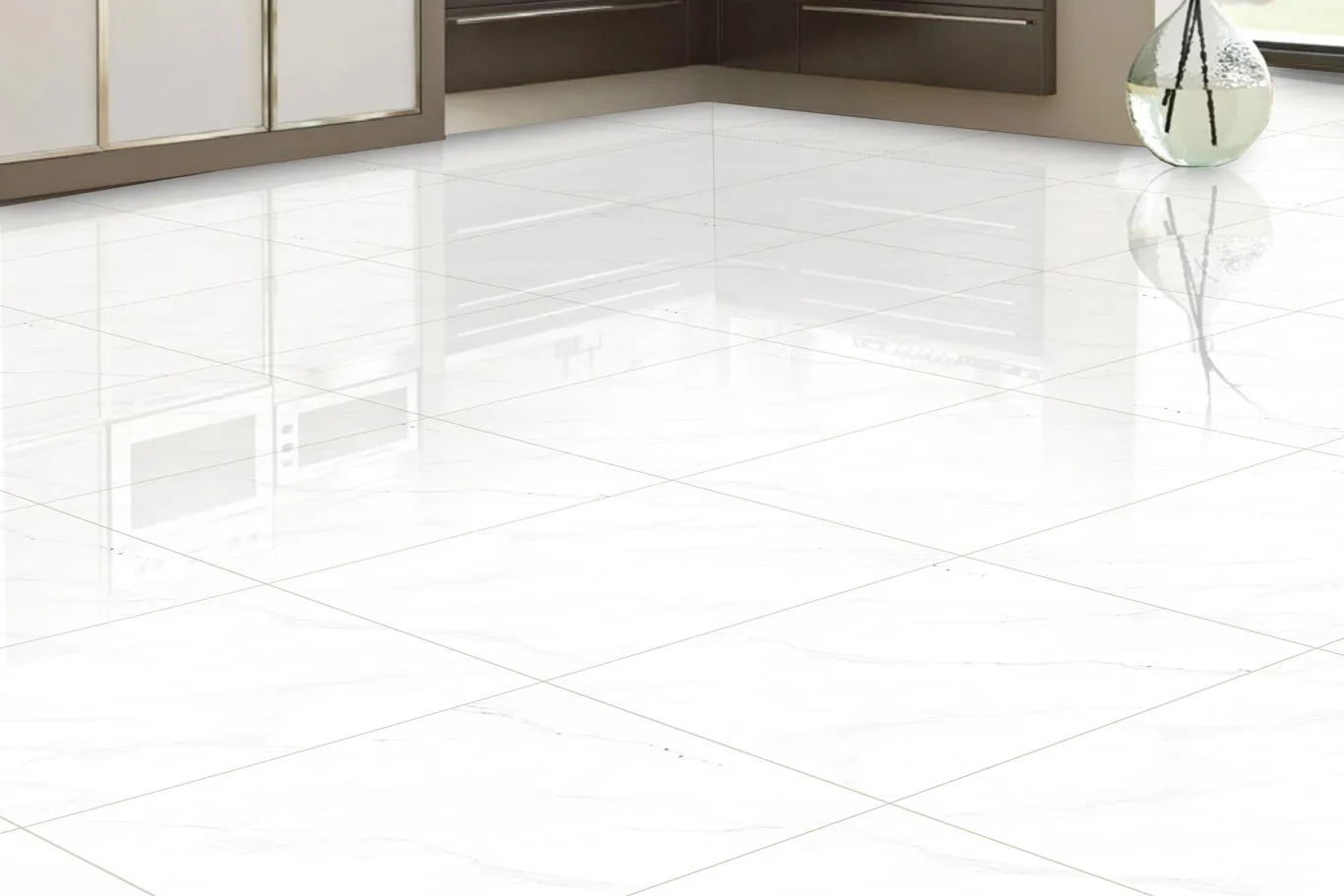
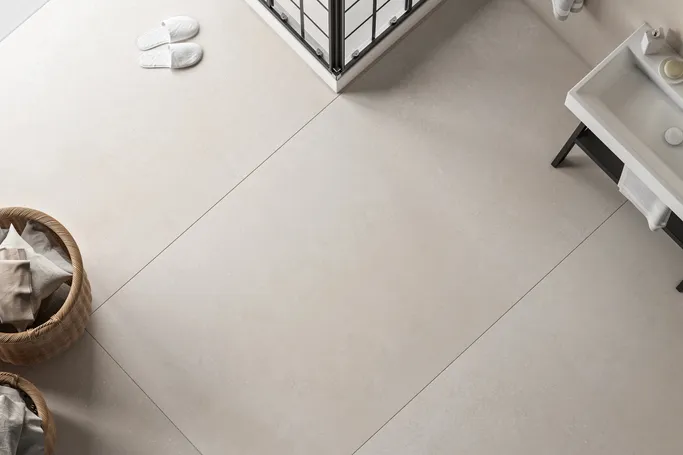
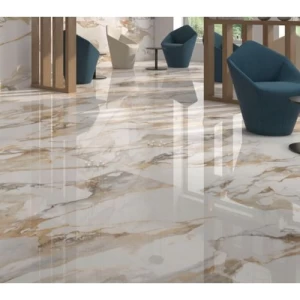
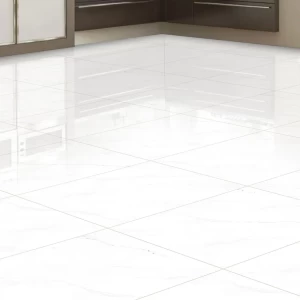
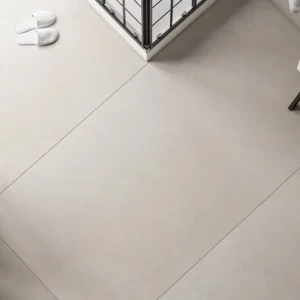
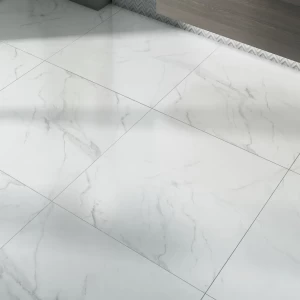
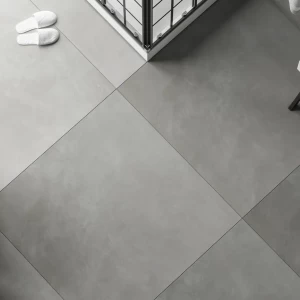
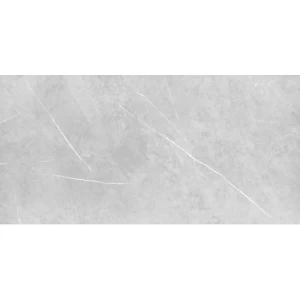
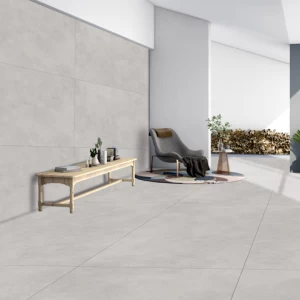
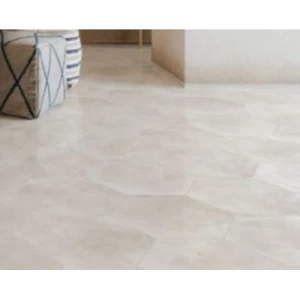
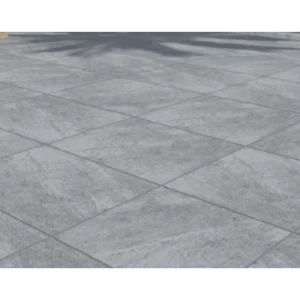
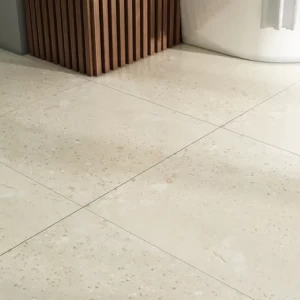
Porcelain has a water absorption rate under 0.5%, making it virtually impermeable and highly resistant to stains and humidity. This makes it ideal for Saudi kitchens and bathrooms, especially in coastal cities like Jeddah where moisture levels are high. Ceramic tiles absorb more water and require regular sealing to prevent damage.
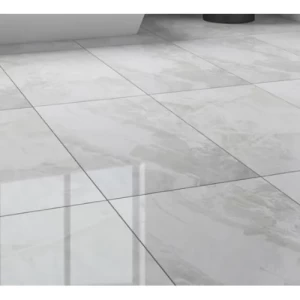
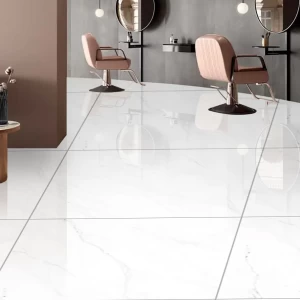
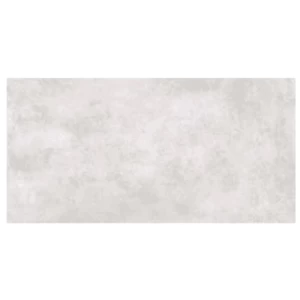
Clean regularly with warm water and a neutral pH cleaner, avoiding harsh acids that can dull the surface. Place protective mats behind stoves to block oil splatters. At Matkel, our high-density white porcelain tiles resist staining and retain their original brightness with minimal upkeep, making them perfect for busy Saudi households.
Direct installation over unstable or wooden substrates is not recommended. Extreme temperature fluctuations in Saudi cities like Riyadh and Jeddah cause materials to expand and contract, which can crack adhesives and loosen tiles. Always prepare a stable concrete or cement board base first, then use a flexible porcelain-specific adhesive for long-term security.
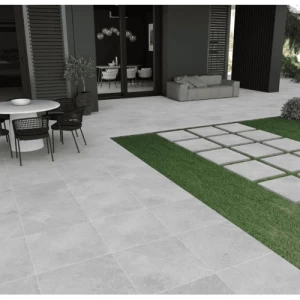
Indoor areas and standard kitchens only require moderate slip resistance. For outdoor pathways, pool decks, and gardens exposed to rain or condensation, select tiles with a high anti-slip rating (R11 or higher). This ensures safety during summer downpours and meets local building codes for residential and commercial properties across the Kingdom.
Yes, certified brands in the Saudi market provide official warranties covering production flaws such as color deviations or dimensional inaccuracies. Always retain your purchase receipt and verify the official import stamp. Matkel guarantees secure replacements for defective pieces within a specified period, ensuring you receive exactly the quality you ordered.