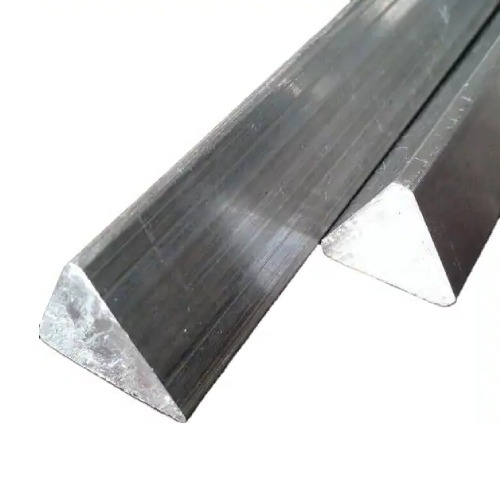
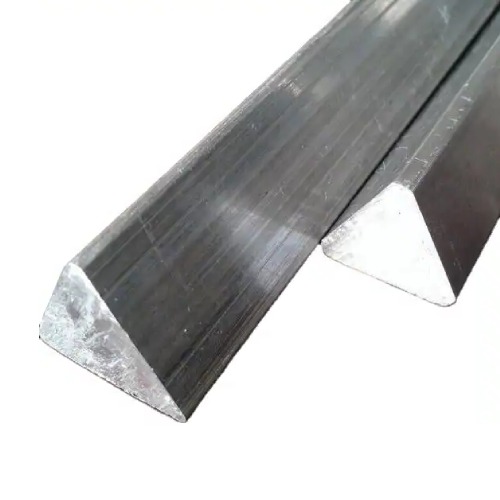
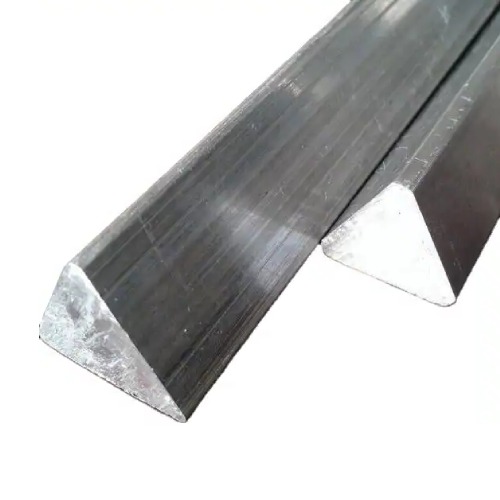
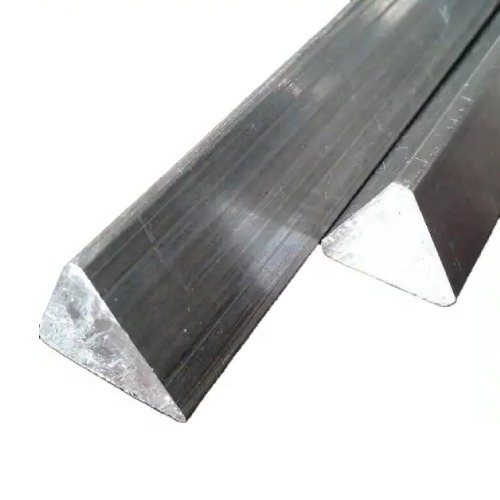
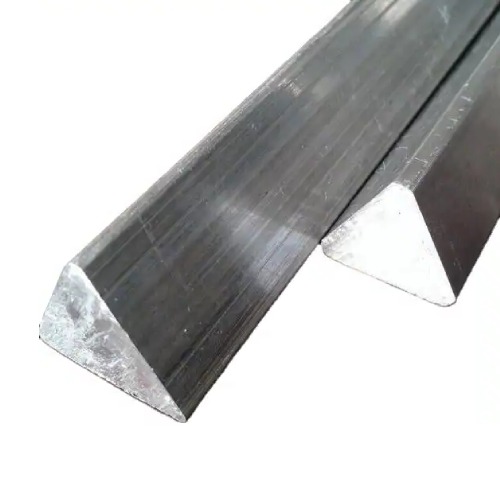
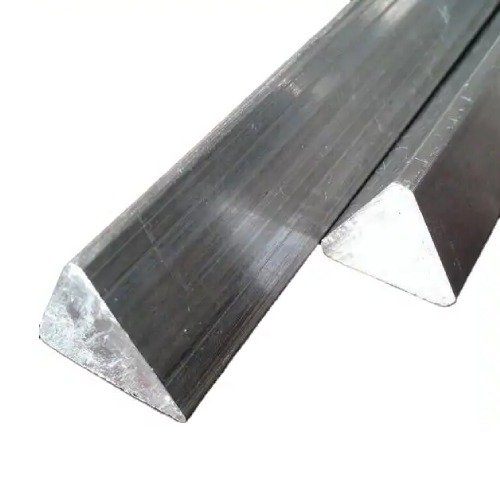
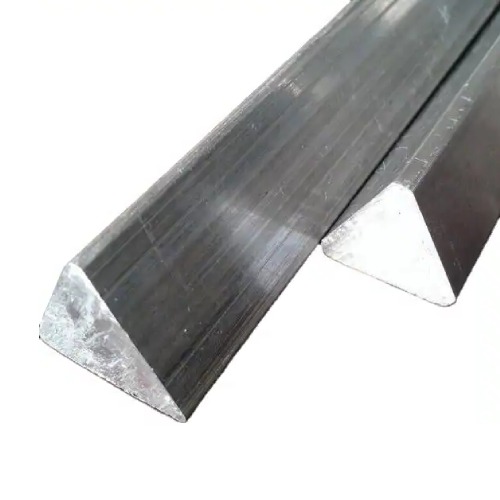
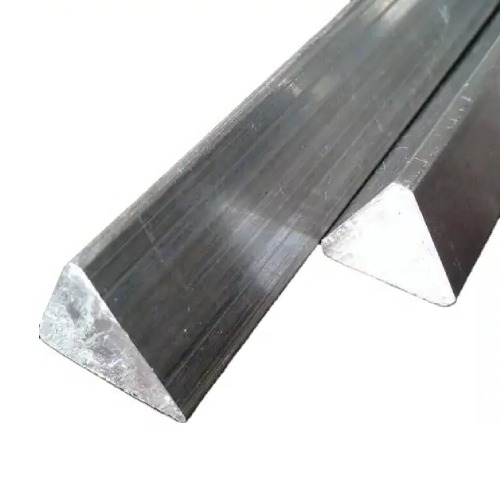
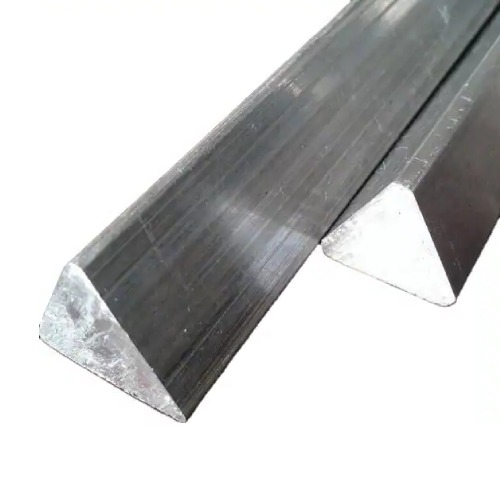
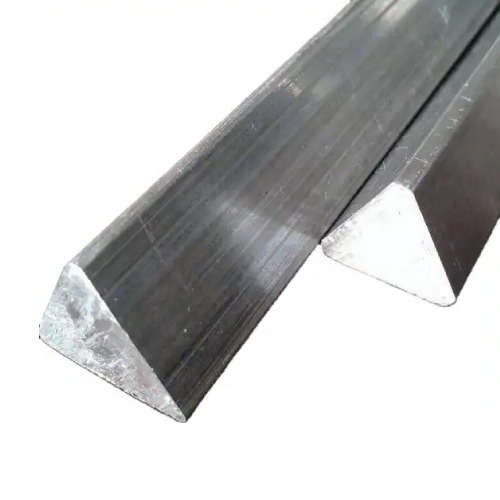
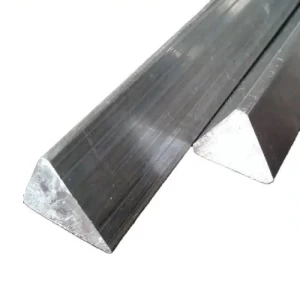
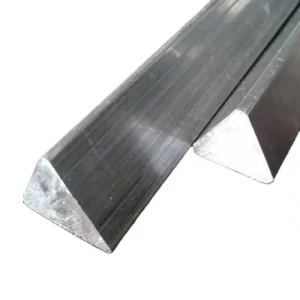
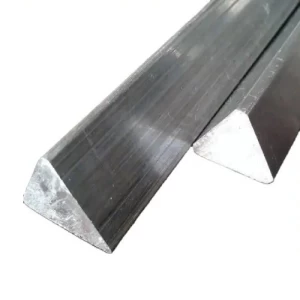
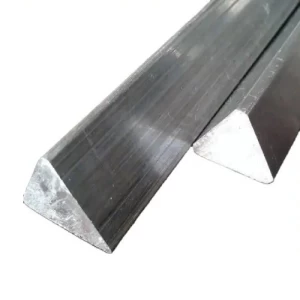
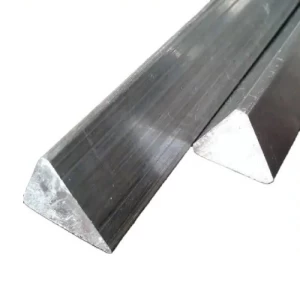
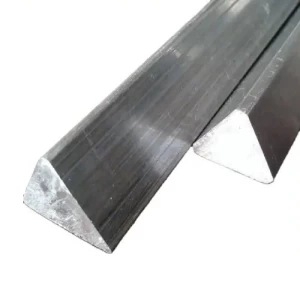
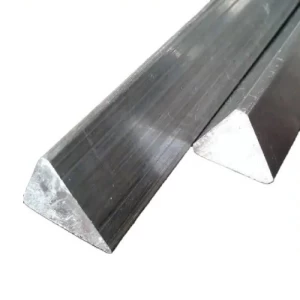
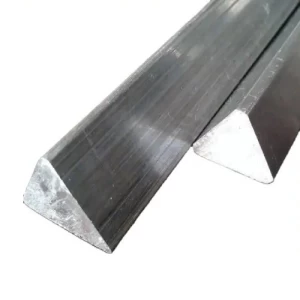
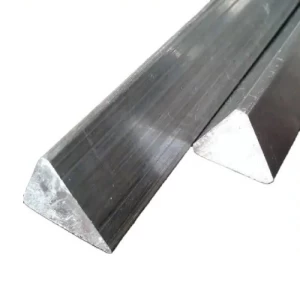
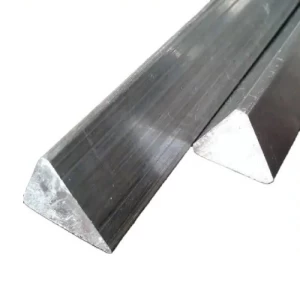
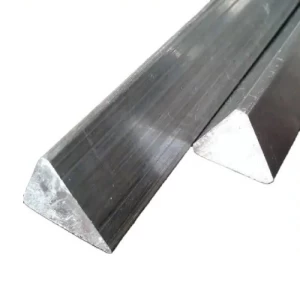
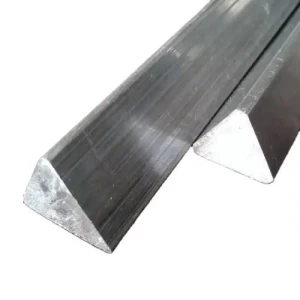
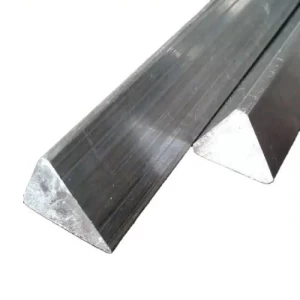
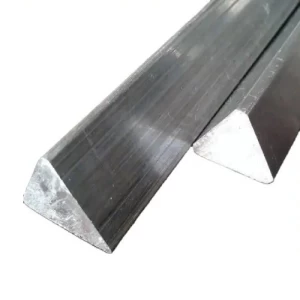
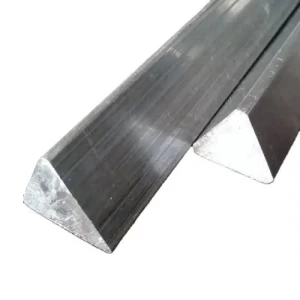
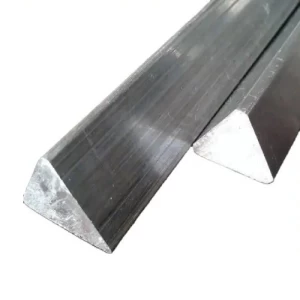
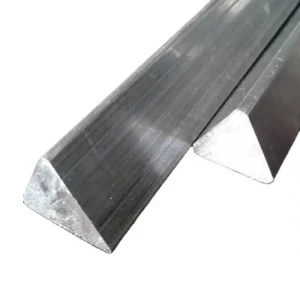
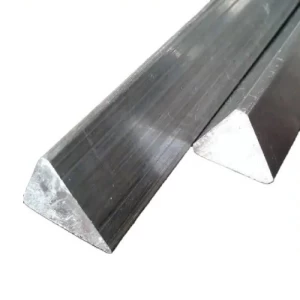
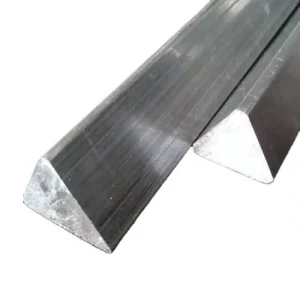
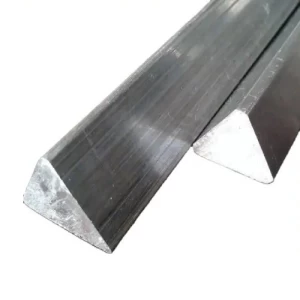
Steel is stiffer and better handles transport, installation, and structural loads, while aluminum is lighter and easier to cut. For commercial buildings, outdoor homes, or exposed areas in Jeddah, Dammam, and coastal zones, galvanized steel is usually preferred because it resists humidity better.
Common thicknesses range from 0.8 to 1.5 mm. For visible facades, outdoor walls, or dusty and humid locations, choose 1.2 mm or thicker. Galvanized finish helps resist rust in coastal climates, while powder coating or primer is good for interiors. Always confirm the profile meets Saudi building requirements.
Yes, most steel chamfer profiles can be cut with a jigsaw, angle grinder, or cutting machine, then welded electrically when the surface is dry and clean. After welding, clean the area and apply rust-inhibiting primer or protective paint to maintain corrosion resistance, especially in damp or dusty project sites.
Common dimensions include 18 mm, 25 mm, and 30 mm, depending on edge height and panel thickness. Select based on facade or floor type, panel gap, and edge curvature. For large projects, request samples from Matkel before ordering to confirm appearance, compatibility, and finish consistency across the full delivery.
Yes, Matkel can support contractors with project pricing and bulk discounts based on quantity, size, and delivery method. Orders can include cut-to-size preparation for the required dimensions. Visible manufacturing defects may qualify for limited replacement or warranty, subject to order documentation and inspection at the project site.