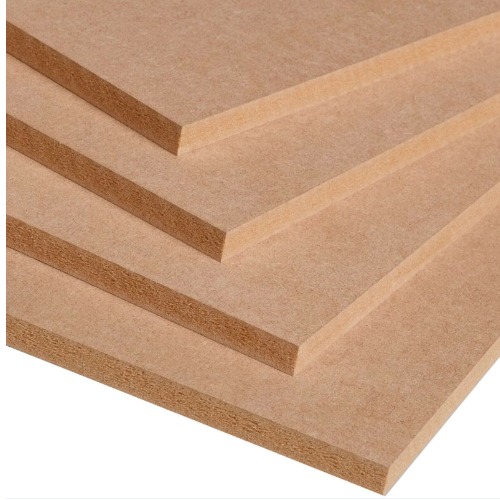
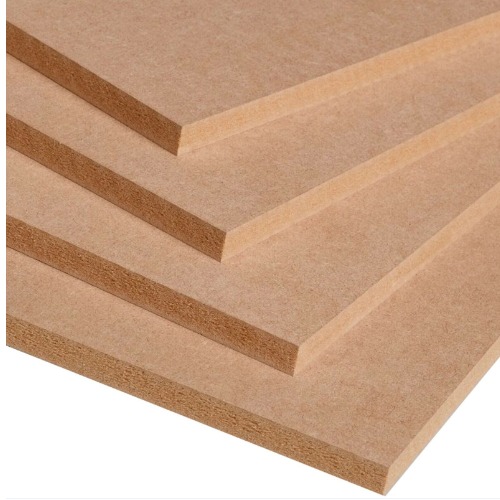
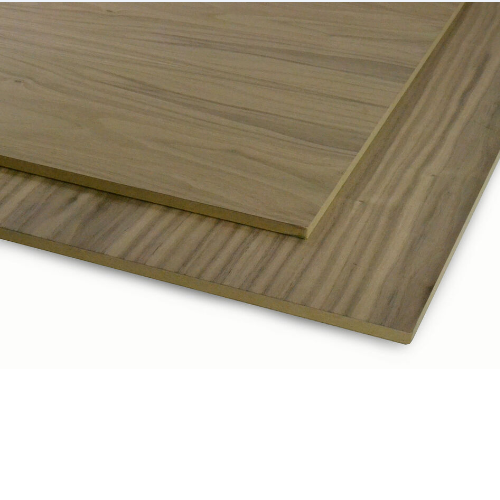
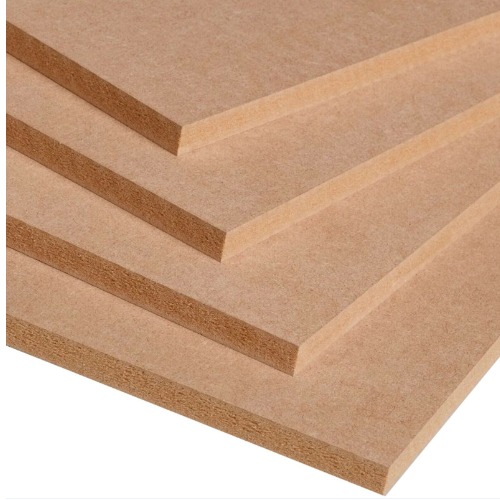
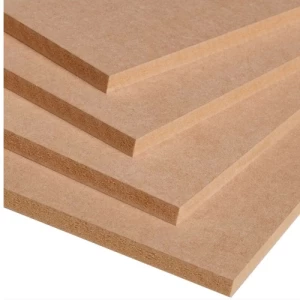
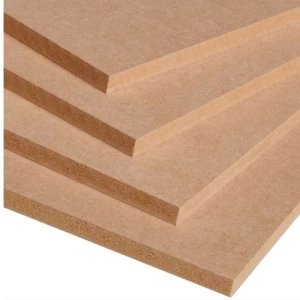
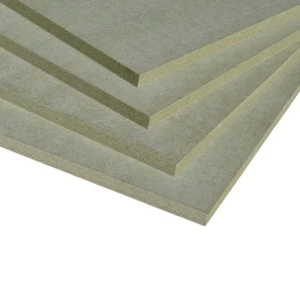
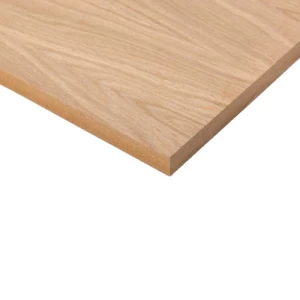
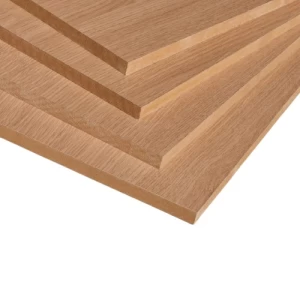
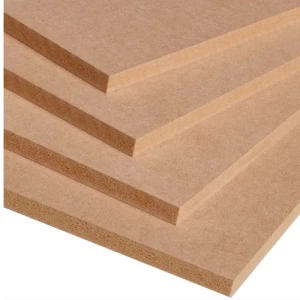
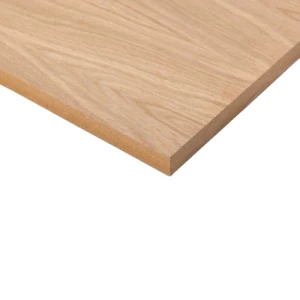
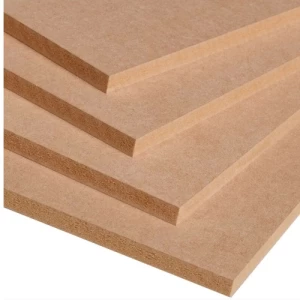
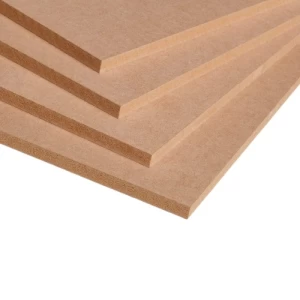
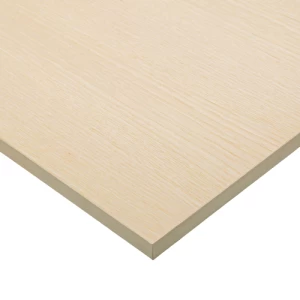
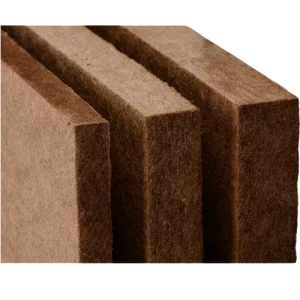
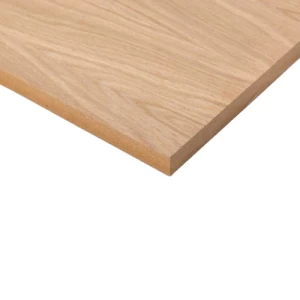
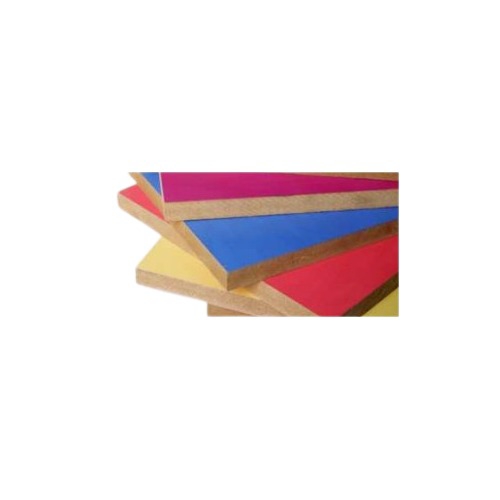
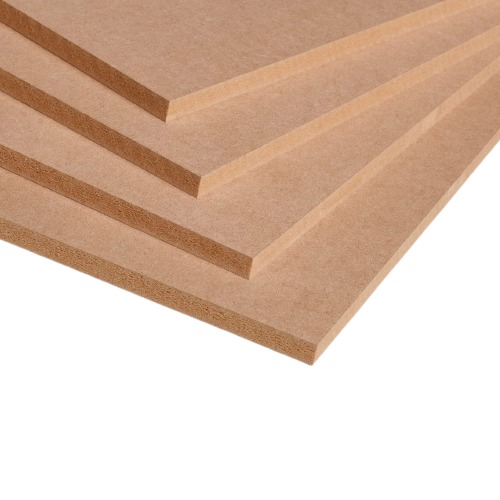
For interior doors, 18 mm is common, while kitchen cabinets work well at 16 or 18 mm. In hot, humid kitchens, choose high-density moisture-resistant MDF to reduce swelling and warping. Matkel offers premium panels suited to daily use in Saudi homes.
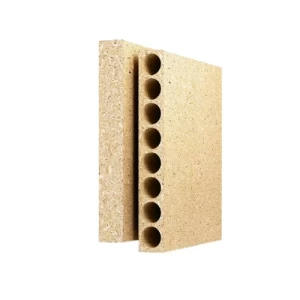
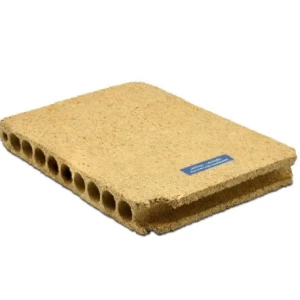
MDF has a smoother, more stable surface, making it ideal for painted furniture, kitchens, and cabinets. Mupia boards are lighter and lower in cost but may require extra finishing and can be less durable. For precise Saudi home projects, high-density MDF often gives cleaner results.
Standard MDF is not recommended near direct water or continuous humidity. For Saudi bathrooms and kitchens, use moisture-resistant MDF or keep panels away from splash zones and seal all edges. In very high-humidity areas, pressure-treated wood boards may be a better choice.
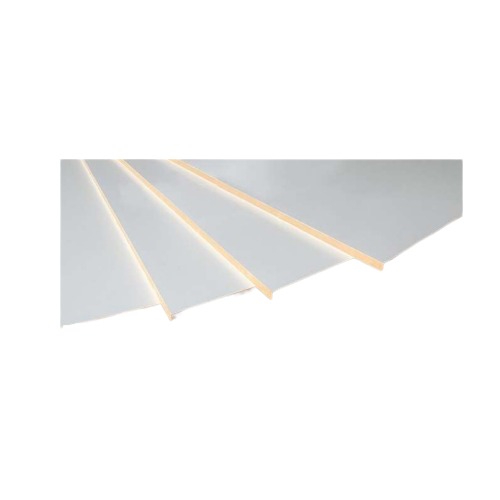
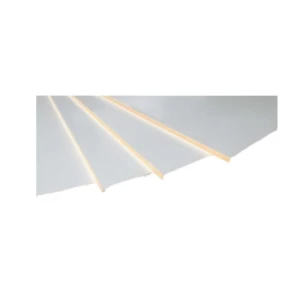
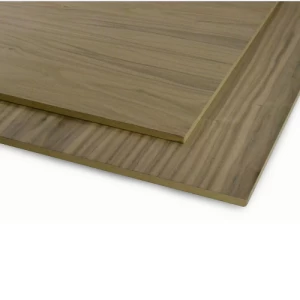
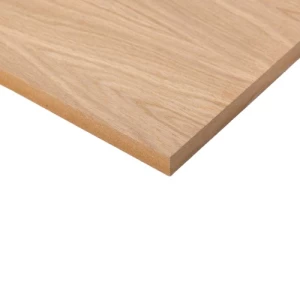
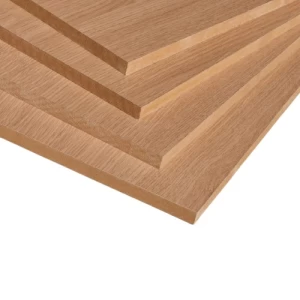
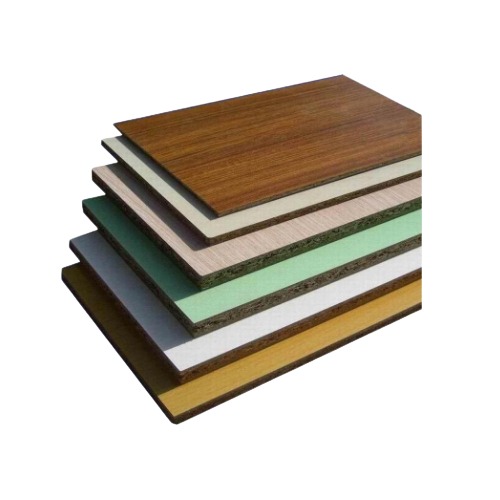
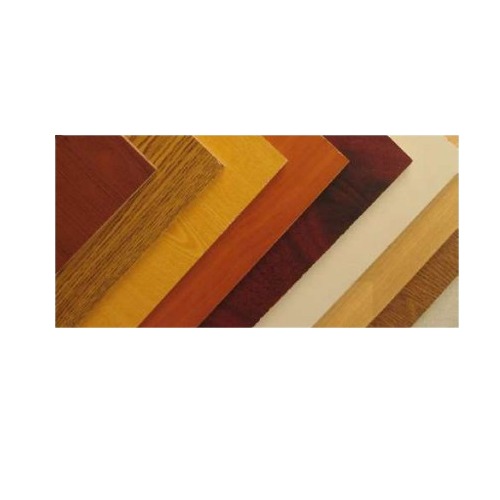
Yes. MDF is porous, so it benefits from paint, veneer, melamine, or high-pressure laminate. Edges should be sealed to limit moisture absorption. In Saudi kitchens, high-pressure melamine is often preferred because it is easier to clean and more resistant to daily wear.
Look for uniform density, clean edges, accurate thickness, and low warping. Avoid cracked boards and check for low formaldehyde emissions, especially for home furniture. Matkel panels are designed to deliver consistent quality for precise cutting, smooth finishing, and reliable performance in Saudi projects.