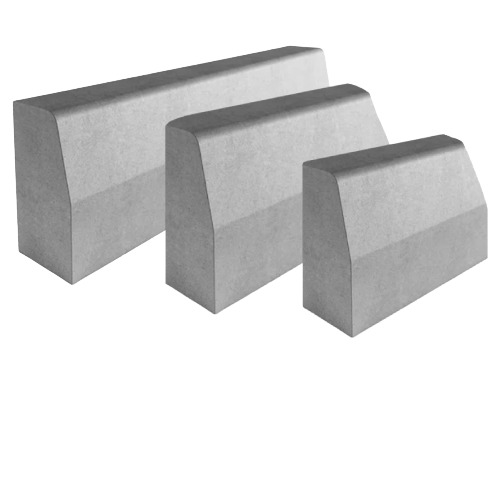
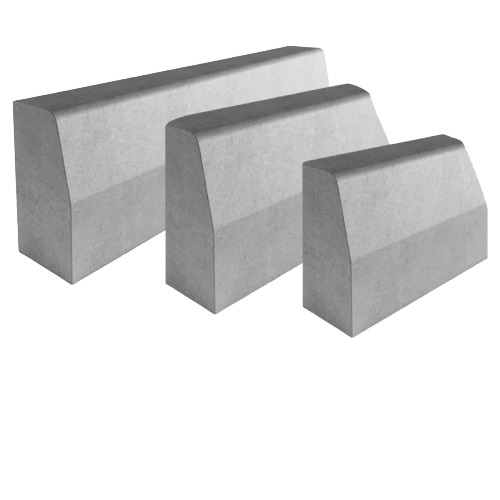
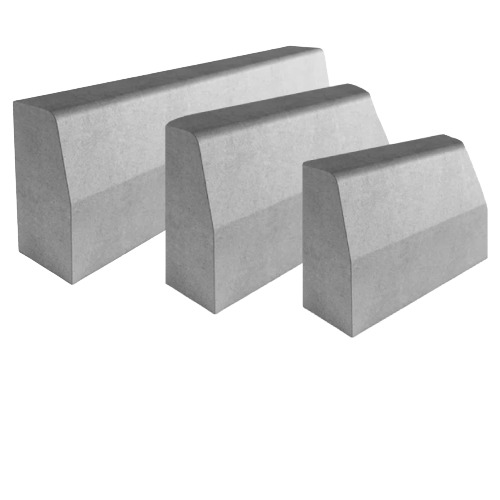
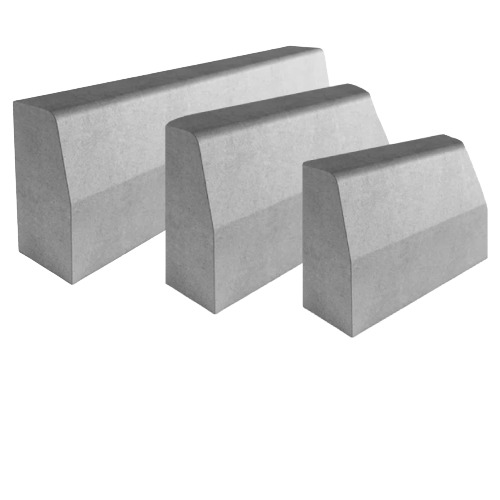
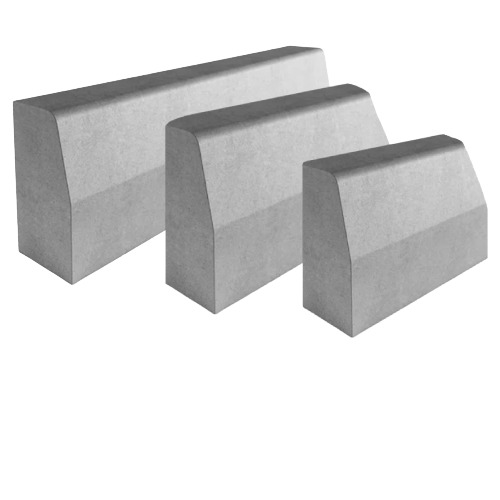
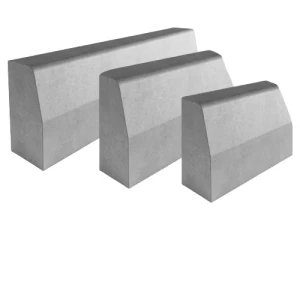
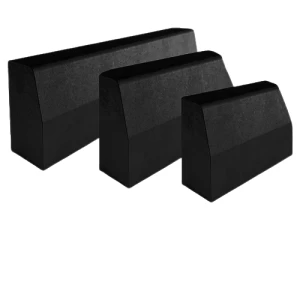
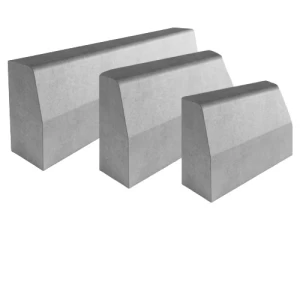
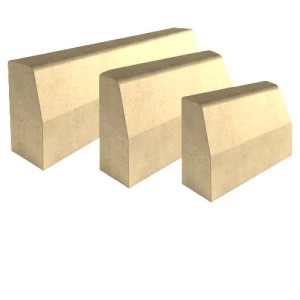
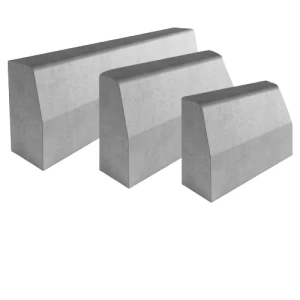
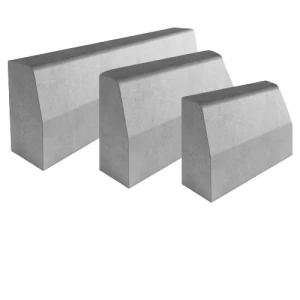
Both use cement, water, and aggregates, but concrete curbstones are generally stronger and more resistant to breaking. For walkways, parking areas, and open zones, choose high-cracking resistance concrete. Matkel can guide you based on project load and temperature changes.
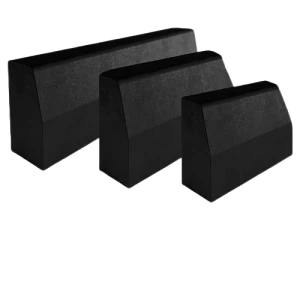
Yes, if made from high-density, abrasion-resistant material. In Riyadh and Jeddah, stable pigments and dense mixtures help avoid visible fading. For rainy areas, select water-resistant curbstones with stable aggregate and consistent color throughout.
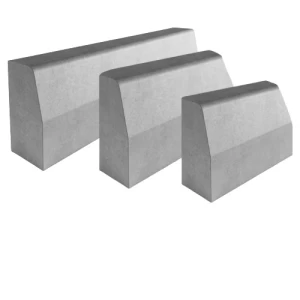
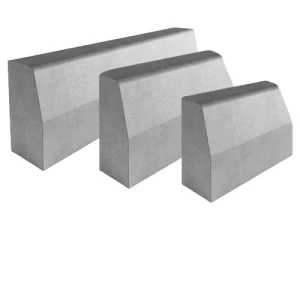
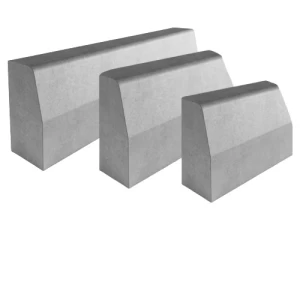
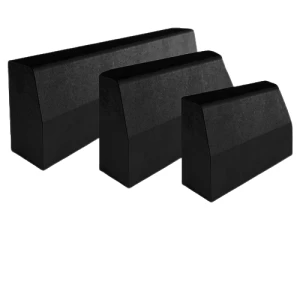
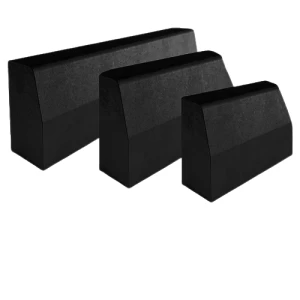
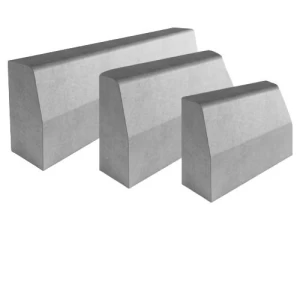
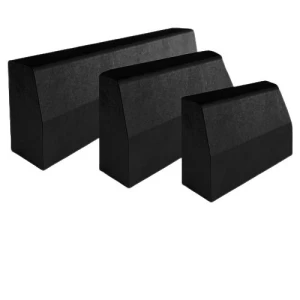
Common sizes are often 40 x 10 x 8 cm and 50 x 10 x 10 cm, though dimensions may vary by manufacturer. These work well for gardens, walkways, and light parking. Heavy vehicle areas need wider, thicker units, a firm base, and proper bedding mortar.
They handle light to medium traffic when installed on a level base with the right mortar. Some types include steel reinforcement for higher load capacity in parking lots or light roads. For government projects, request certified specifications and load-resistance documentation.
You can request a sample to confirm color, texture, and dimensions before installation. Cracked or defective pieces are usually replaced if reported within the stated period, with clear photos. It is best to check quantity and size before starting installation.