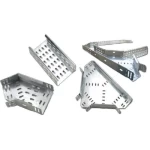
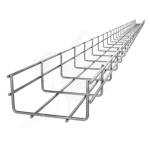
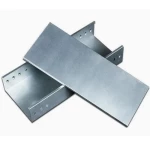
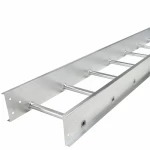
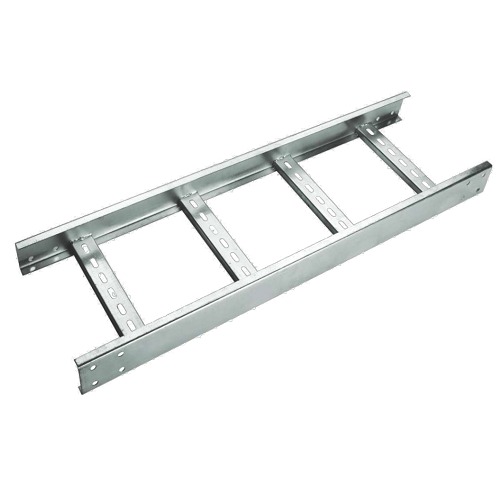
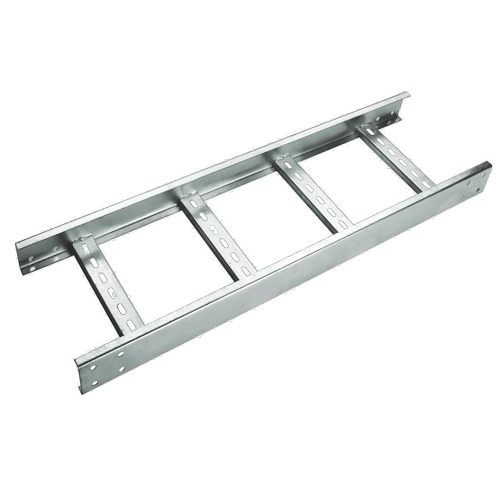
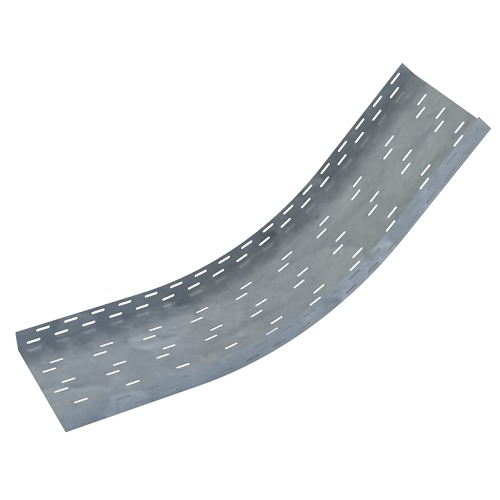
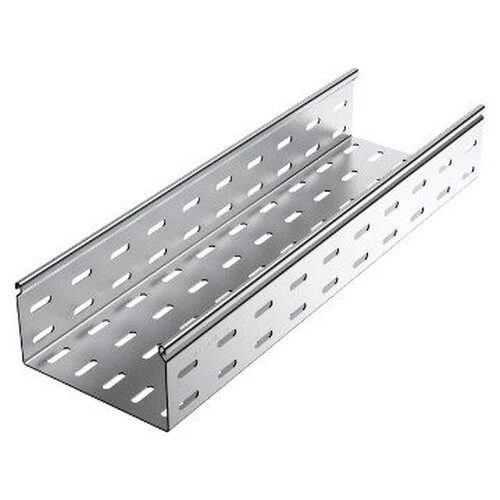
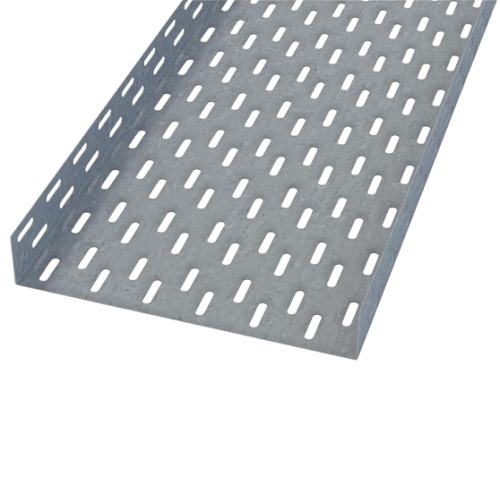
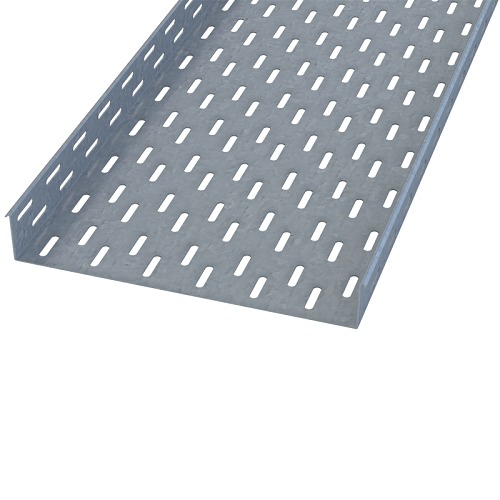
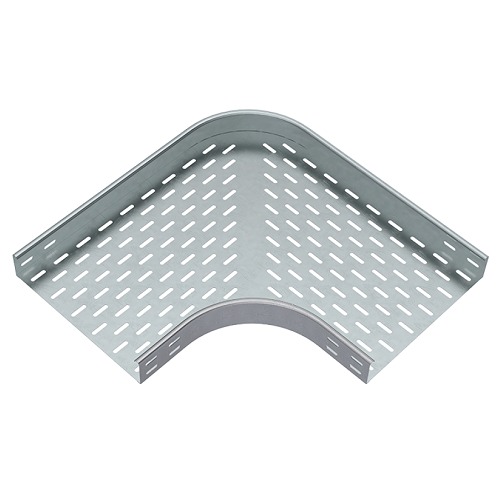
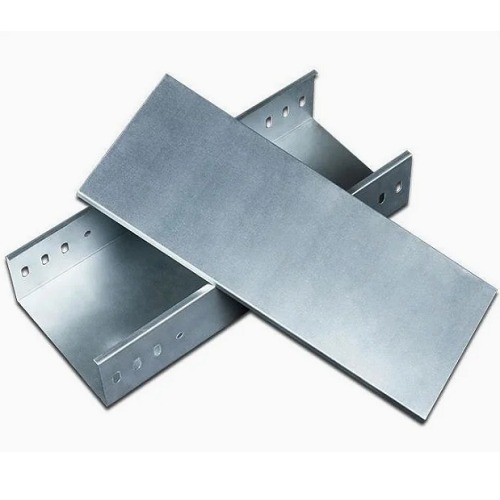
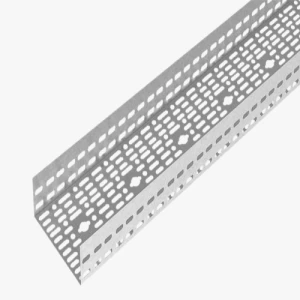
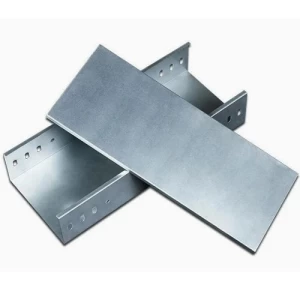
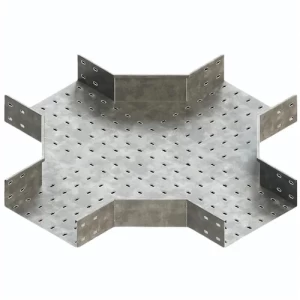
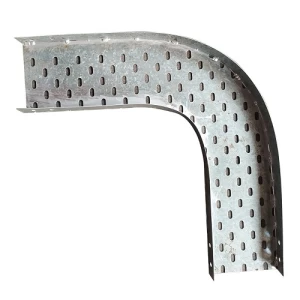
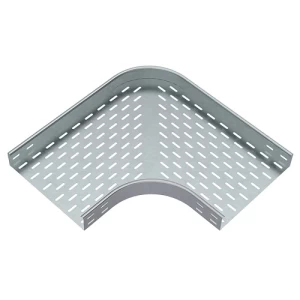
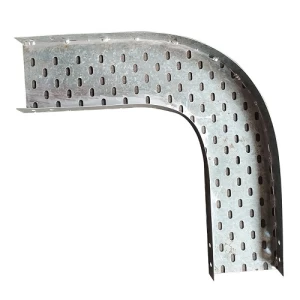
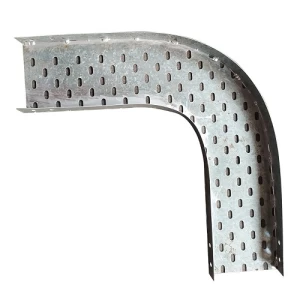
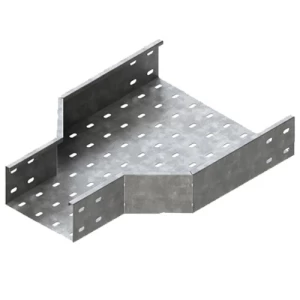
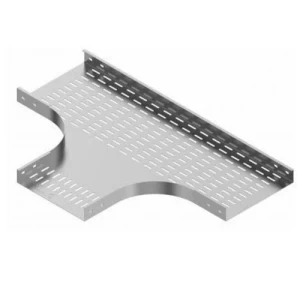
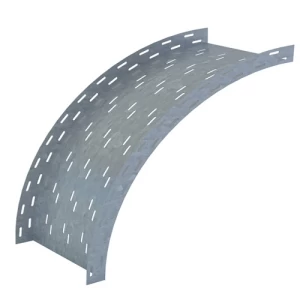
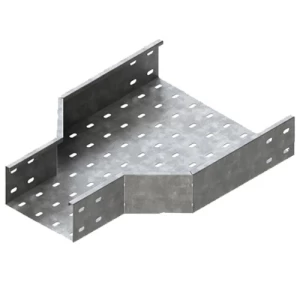
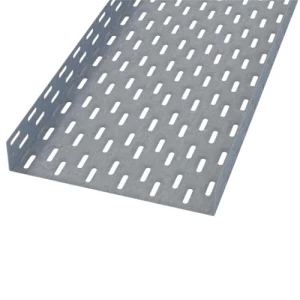
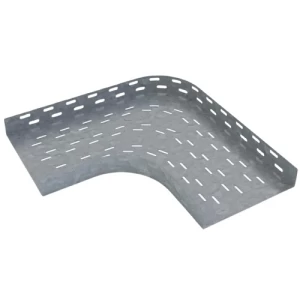
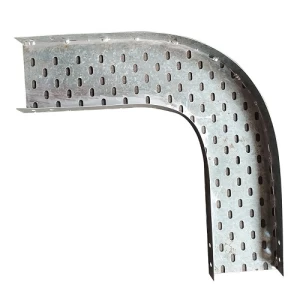
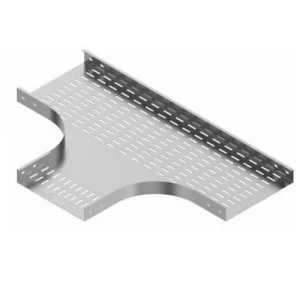
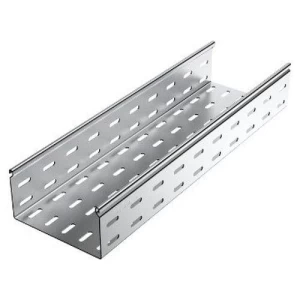
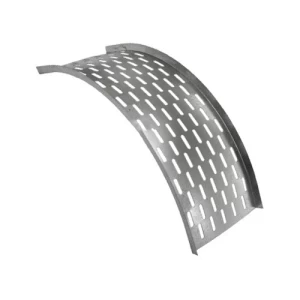
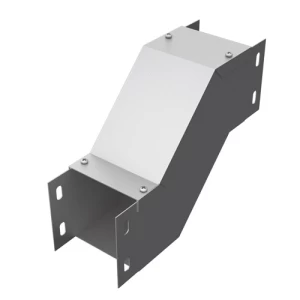
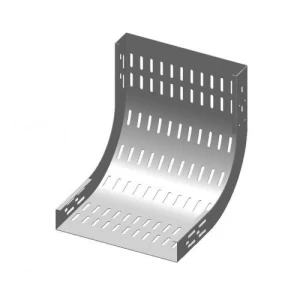
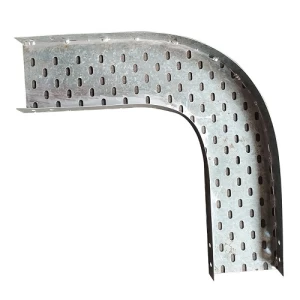
Open trays allow better airflow, making them suitable for transformers and motor areas. Perforated trays reduce dust and moisture exposure, fitting offices, factories, or dusty environments. Choose based on ventilation needs, inspection access, and the project’s site conditions in Saudi Arabia.
Common thicknesses range from 1.5 to 2.5 mm, depending on cable weight, span length, and support spacing. For long overhead trays or windy locations in Saudi projects, thicker trays are safer. Check cable load, support count, and fixing type to ensure a stable installation.
Yes. Hot-dip galvanized or salt-resistant coated trays work well in coastal areas like Jeddah. Fire performance depends on cable insulation, fillings, and system design, not only the tray. Ask Matkel for Saudi-standard compliance certificates and thermal performance data before selecting.
Widely used widths are 100, 150, 200, and 300 mm, with depths from 50 to 100 mm. Commercial buildings in Riyadh and Jeddah often need 150 or 200 mm trays, while substations and factories use larger sizes. Calculate capacity from cable count and diameter.
Cost depends on tray width, thickness, coating, supports, fasteners, and connectors. Some quotes cover product only; others include delivery and installation. Request a detailed Matkel quotation with quantities, specifications, and compliance with Saudi building standards for an accurate budget.