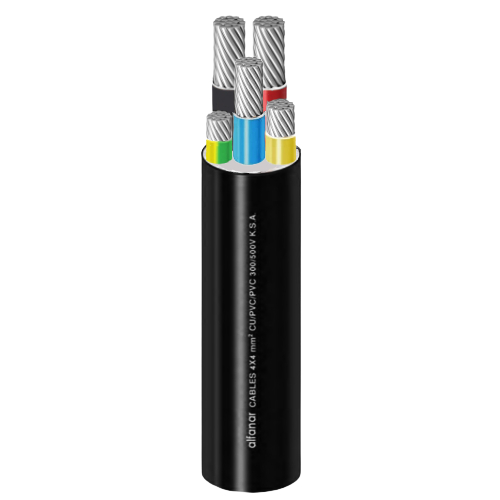
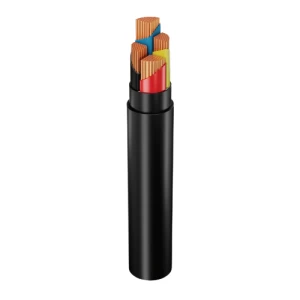
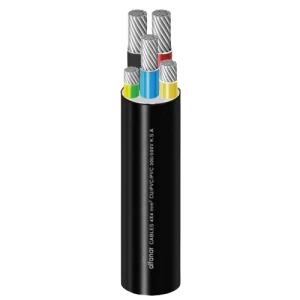
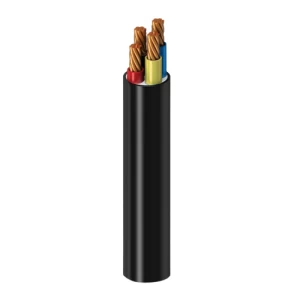
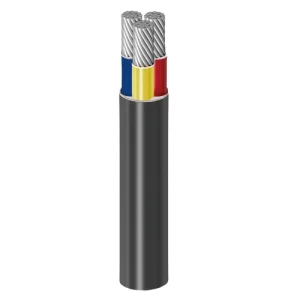
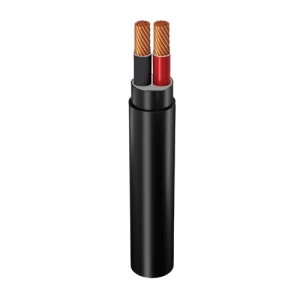
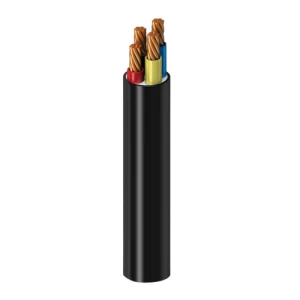
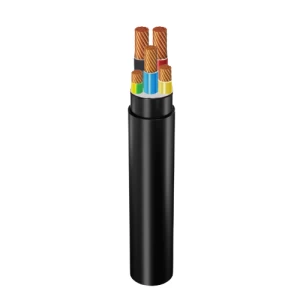
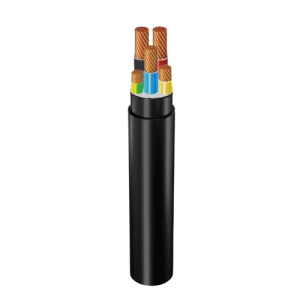
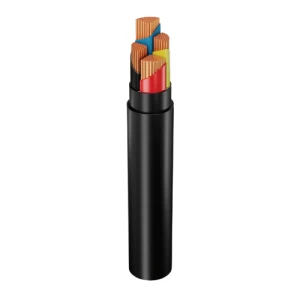
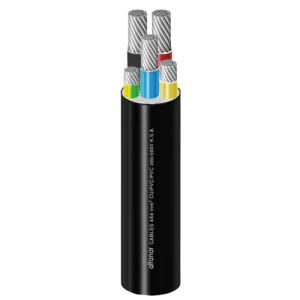
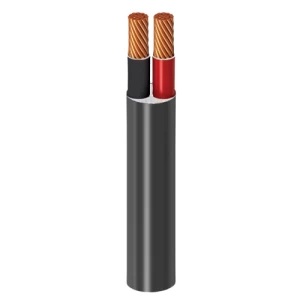
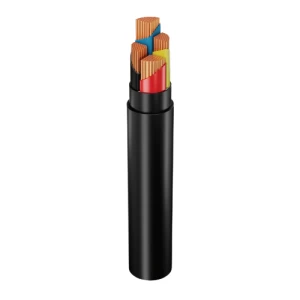
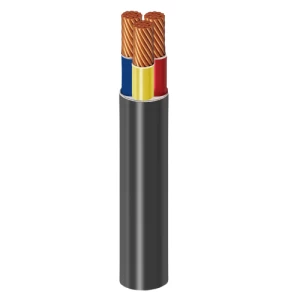
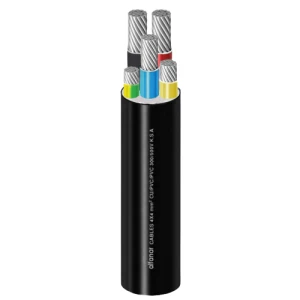
The right cross-section depends on load current, run distance, ambient temperature, and installation method, including burial or aerial support. A qualified electrical engineer should verify ampacity, voltage drop, and bending limits. Matkel can help you match the conductor size to your project voltage and load before purchase.
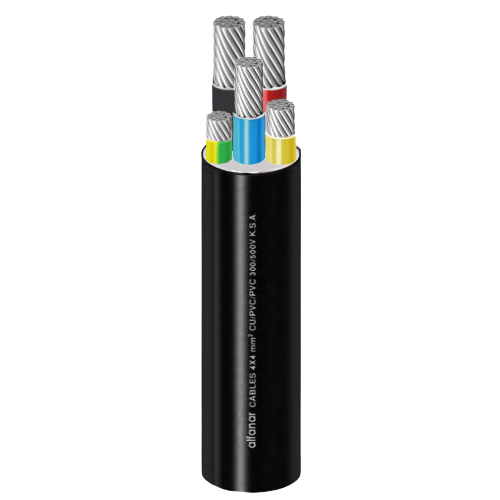
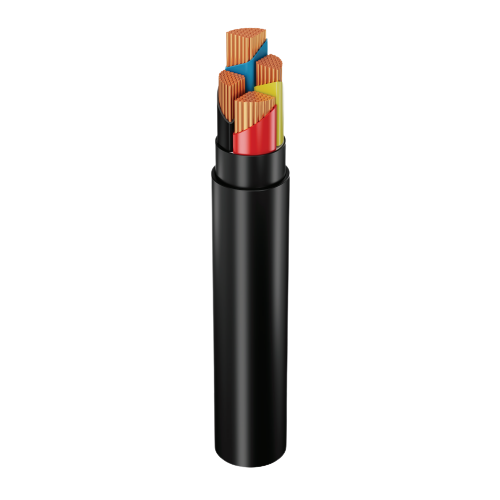
Cross-linked polyethylene, or XLPE, insulation suits higher voltage transmission because it tolerates higher temperatures, resists moisture better, and has a longer service life. PVC is more common for low and medium voltage applications. For urban networks and industrial sites in Saudi Arabia, XLPE is usually the safer long-term choice.
Price varies by voltage level, conductor size, insulation type, reel length, and order quantity. Listed per-meter prices usually cover the cable only, not delivery, installation, testing, or site handling. For Riyadh or Jeddah projects, confirm the final scope, lead time, and whether installation accessories are included before accepting a quotation.
Request the Saudi conformity certificate, specification number, production date, manufacturer details, and factory test reports. Check the factory stamp, insulation thickness, and insulation resistance on delivery. For large projects, use an independent technical inspector to confirm that the cable meets the required voltage, current, and Saudi standard.
The minimum bending radius depends on voltage level and insulation type. Higher-voltage transmission cables usually require a larger radius than low-voltage cables. Follow manufacturer instructions during pulling, especially in Saudi heat, where insulation can degrade if stressed. Use proper cable-pulling tools and avoid cutting or crushing the outer sheath.