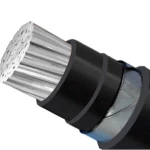
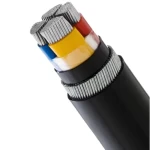
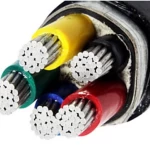
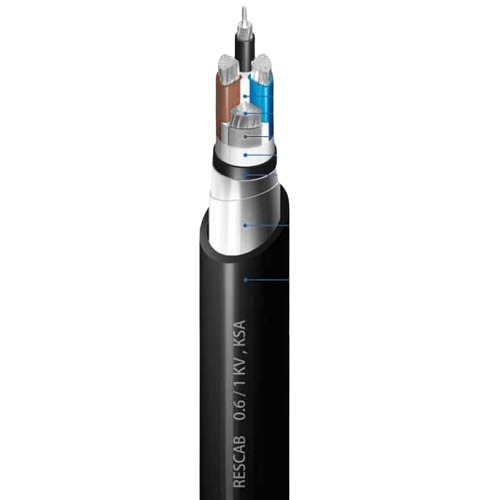
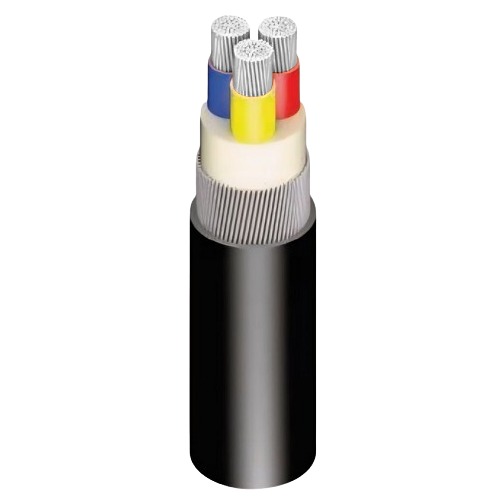
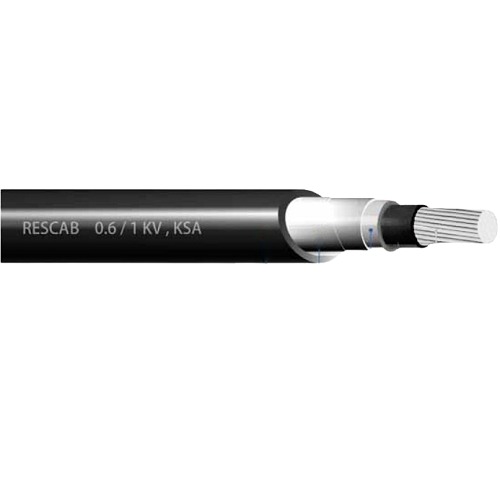
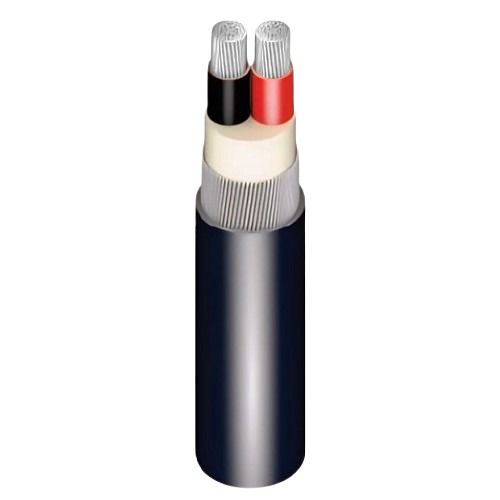
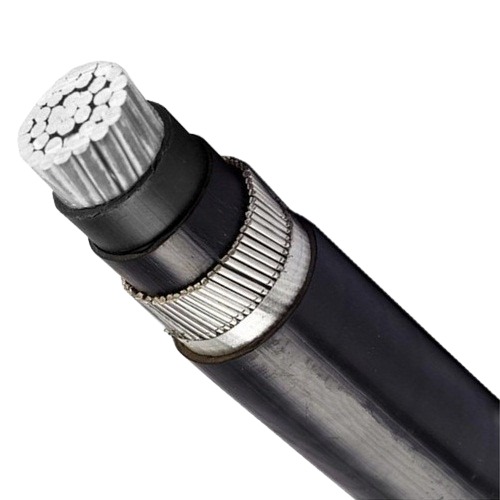
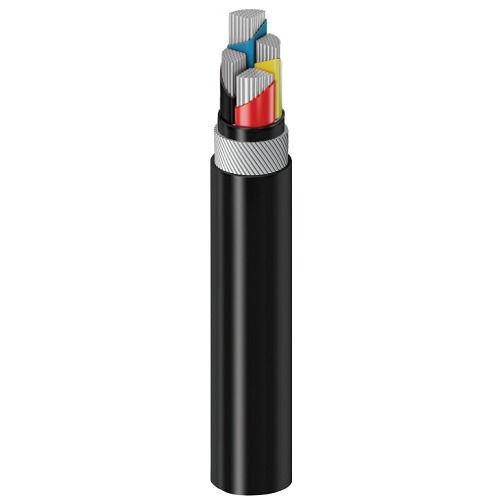
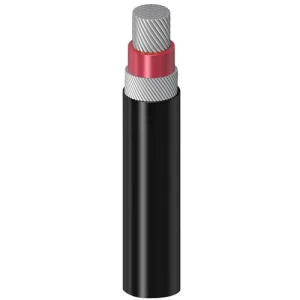
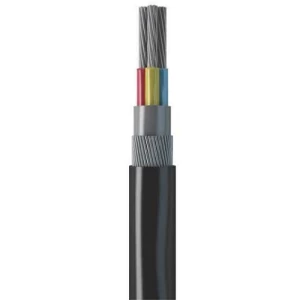
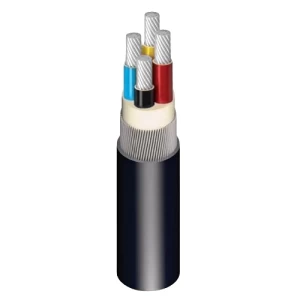
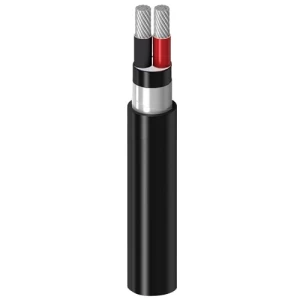
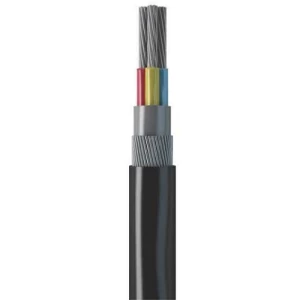
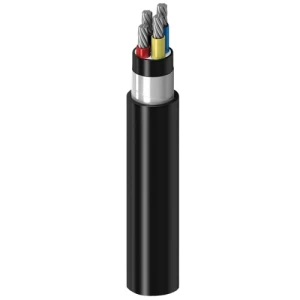
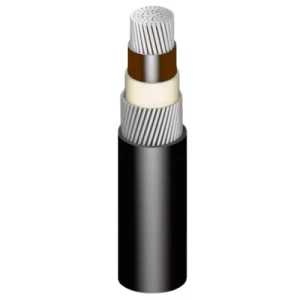
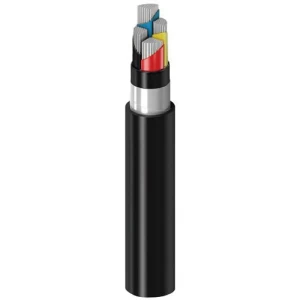
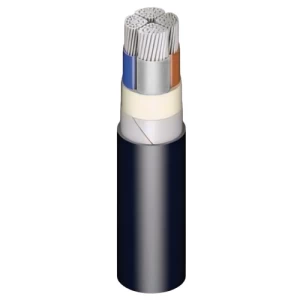
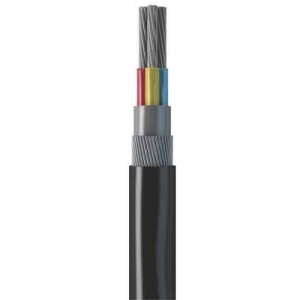
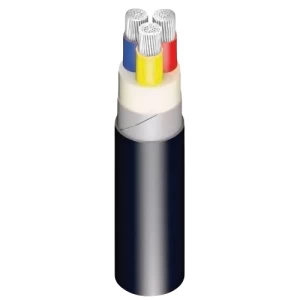
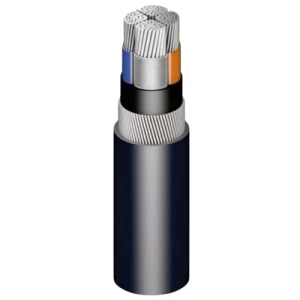
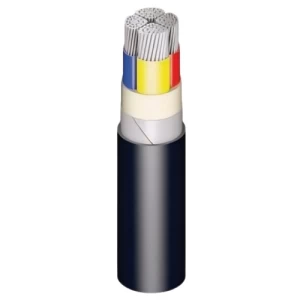
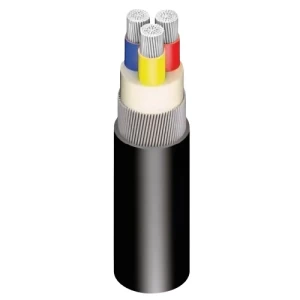
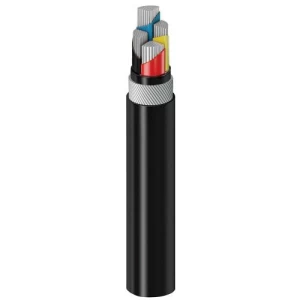
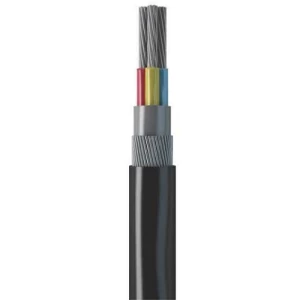
XLPE/PVC Armored Aluminum Cables

Sort by:
« Previous
1 2 3 4 5 ... 43
Next »

general.shop_by_brand

general.shop_all

general.more_from_matkel

general.shop_all

general.most_viewed

general.shop_all
SAVE UP TO $20.00
Daily Deal with

Up to 35% off on our Products

Shop Now
Featured Product
$1999

Frequently Asked Questions

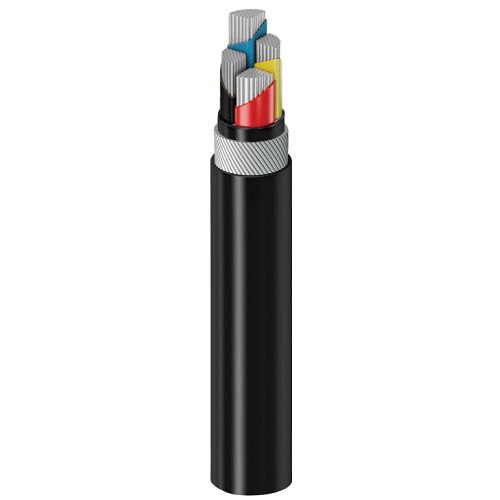
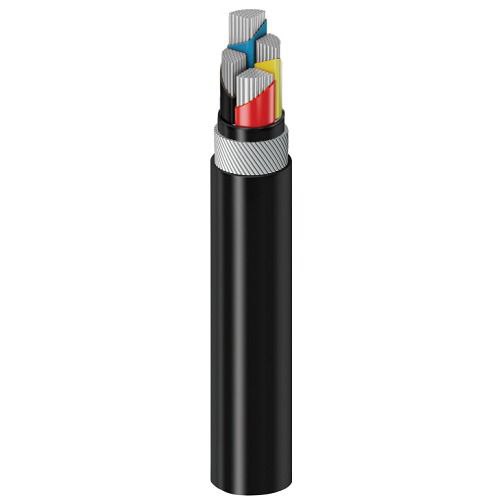
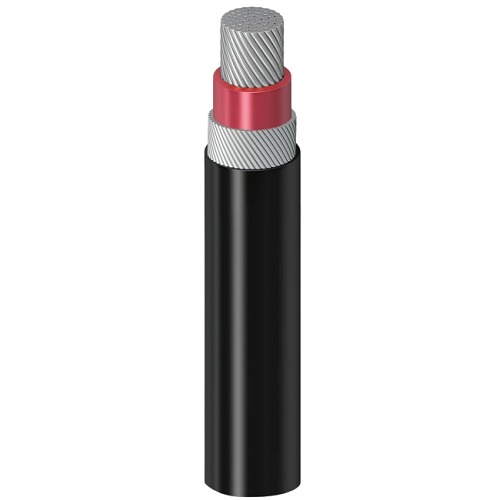
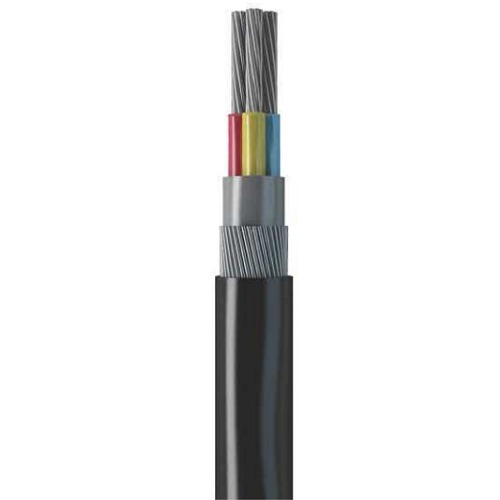
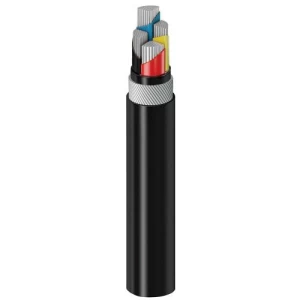
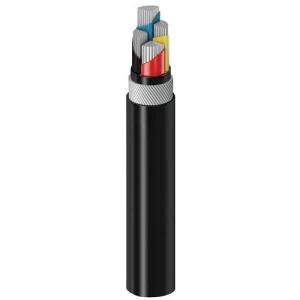
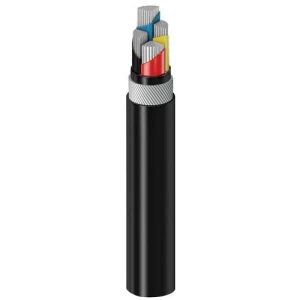
Armored aluminum cables feature a steel wire sheath that provides superior mechanical protection compared to standard unarmored variants. Their XLPE insulation is rated for temperatures up to 90°C, making them highly resistant to Riyadh’s intense summer heat. The robust outer jacket also blocks moisture and corrosion, ensuring a long service life even in demanding Saudi environments.
Prevent oxidation by using certified aluminum-to-aluminum compression connectors matched exactly to the cable diameter, and tighten bolts to the manufacturer’s specified torque. Avoid mixing metals to prevent galvanic corrosion. Matkel supplies detailed installation guides with every order, ensuring technicians use the correct fittings and torque settings to maintain stable voltage and prevent heat buildup over time.
Yes, all Matkel armored cables fully comply with SASO standards and undergo rigorous third-party laboratory testing. We provide official conformity certificates with every bulk purchase, streamlining approval processes for both government and private construction projects. Our consistent quality assurance meets the strict technical specifications required by Saudi engineering consultants and municipal authorities.
A 16mm² armored aluminum cable is ideal for short to medium runs with moderate electrical loads. To calculate voltage drop, multiply the load current by the distance in kilometers, then divide by the aluminum conductivity and cross-sectional area. For extended distances common in Saudi infrastructure, we recommend upsizing to 25mm² or consulting Matkel’s voltage drop chart to ensure optimal performance.
Yes, the steel wire armor allows direct burial without additional conduits, provided you lay a fine sand bedding beneath and cover it with warning tape. The minimum bending radius must be at least 12 times the cable’s outer diameter to prevent insulation deformation or armor damage. Avoid sharp bends to maintain electrical safety throughout the installation.
Company
Select Display Mode
Company Quotes & Bulk Orders
Individual Shop & Buy Directly