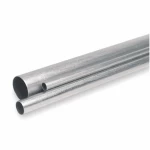
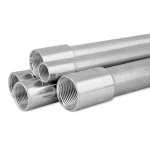
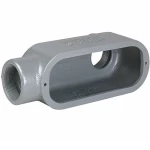
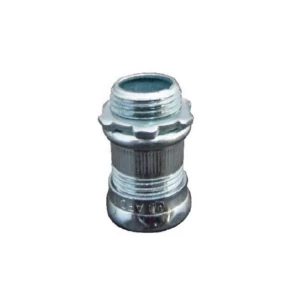
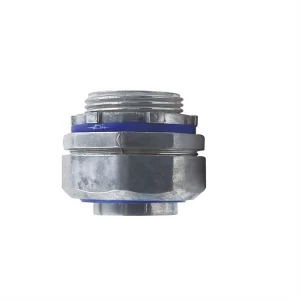
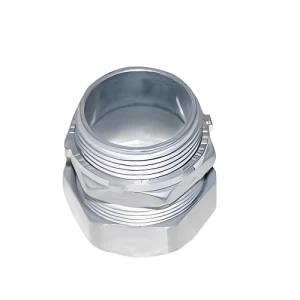
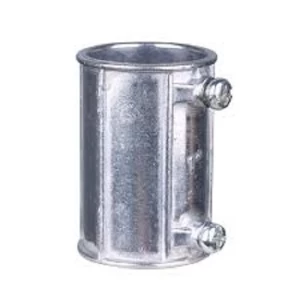
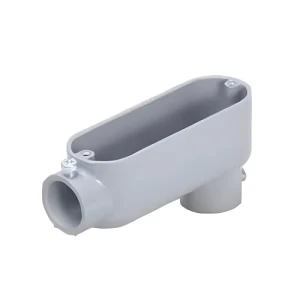
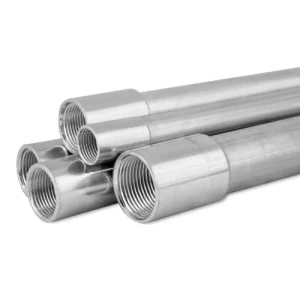
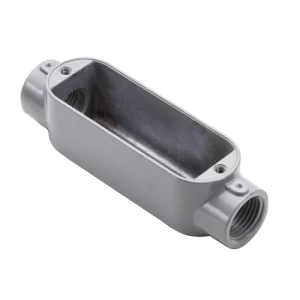
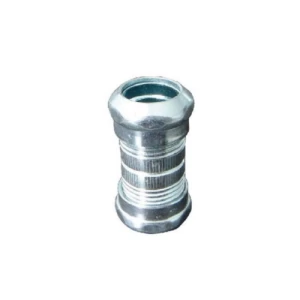
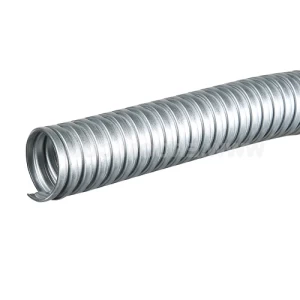
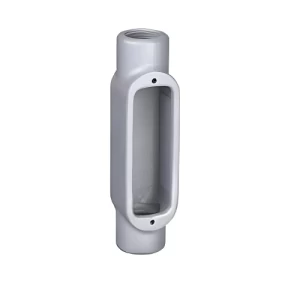
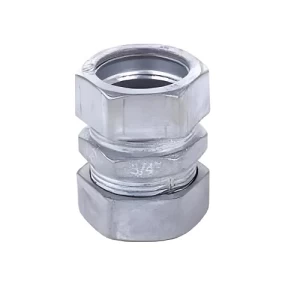
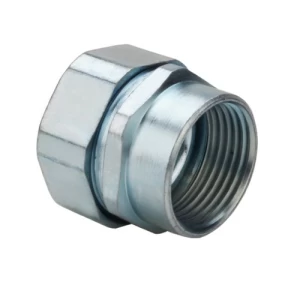
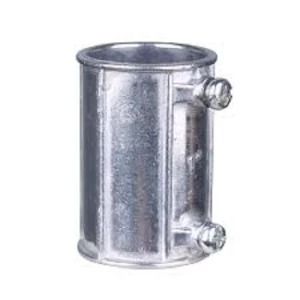
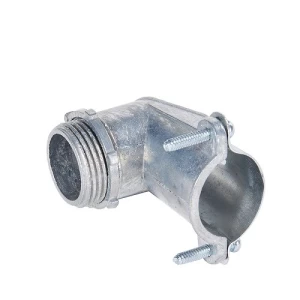
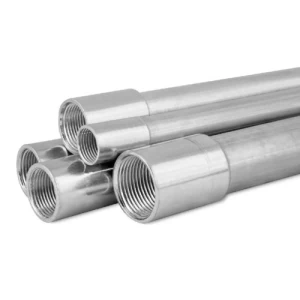
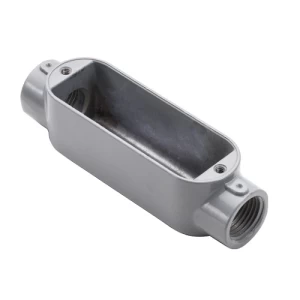
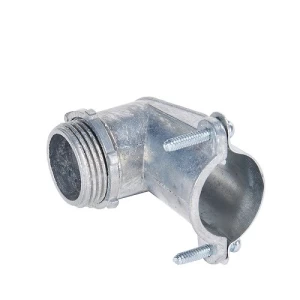
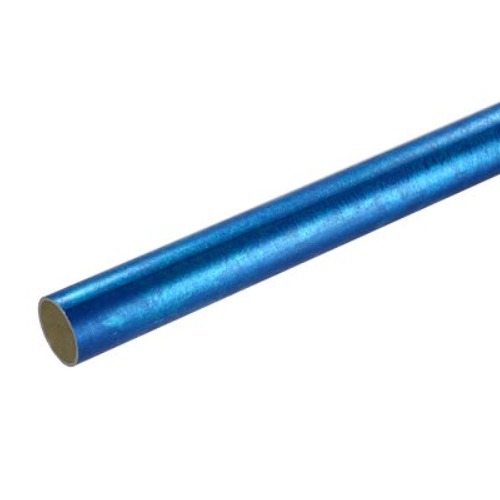
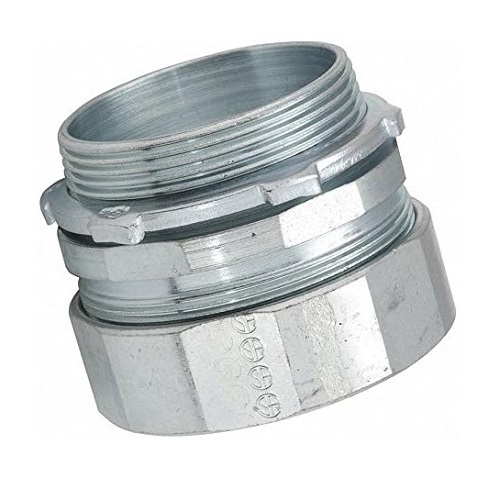
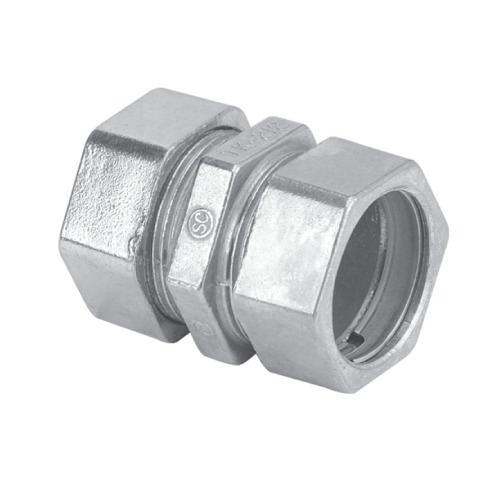
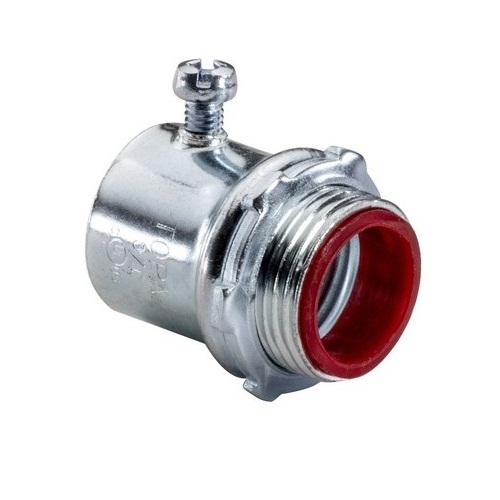
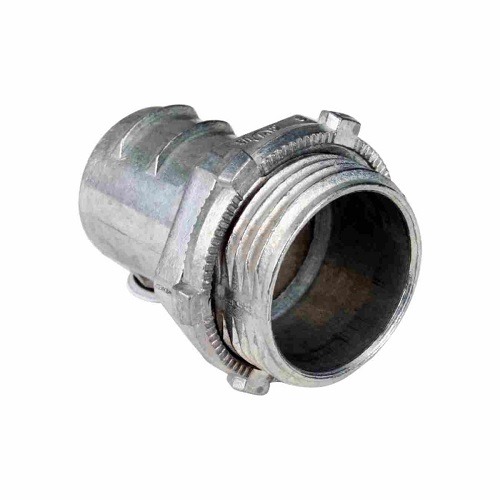
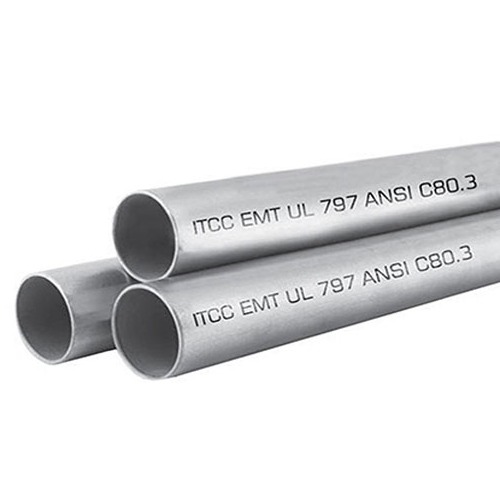
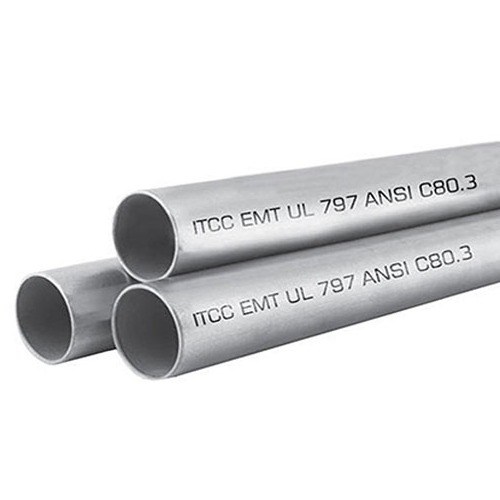
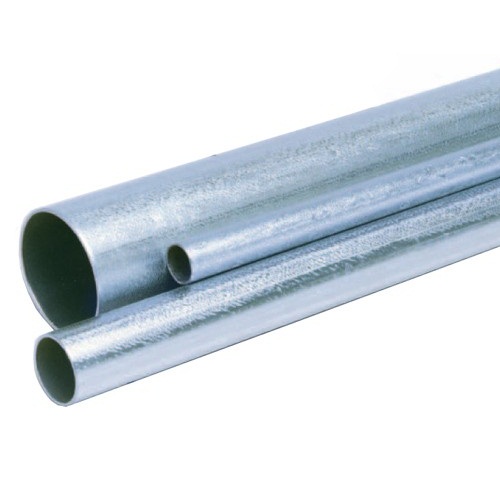
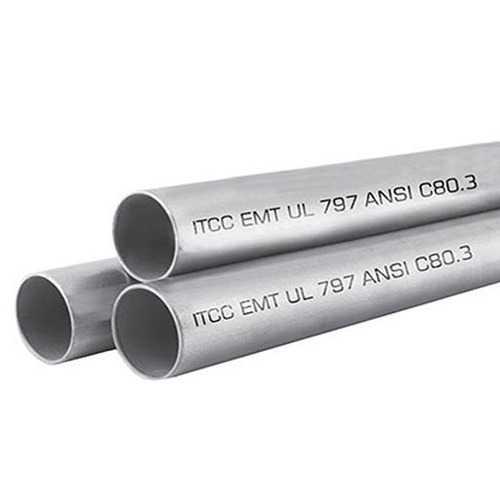
Steel, rigid PVC, and liquid-tight flexible conduit are the most common choices. Selection depends on indoor or outdoor use, load capacity, moisture resistance, heat resistance, and compliance with Saudi standards.
Steel conduit is mechanically stronger, ideal for exposed areas, factories, and high-risk locations, but needs corrosion protection. Plastic conduit is lighter, easier to install, corrosion-resistant, and suits indoor systems and light distribution when wall thickness and environment are appropriate.
Yes, if they are rated liquid-tight, have a sealed outer cover, and use watertight connectors. They work well in cooling rooms, rooftops, basements, and outdoor Saudi projects, provided fire resistance and operating temperature limits are checked against project requirements.
Sizes vary by cable count and current load, with one-inch to multi-inch conduits being most requested. For large buildings, long routes, or hot outdoor paths in cities like Riyadh and Jeddah, follow load tables and engineer approval.
Price depends on type, size, wall thickness, and order quantity, with trade pricing available for larger projects. Matkel offers a range of conduit pipes across Saudi Arabia, so final pricing is based on your required specifications and purchase volume.