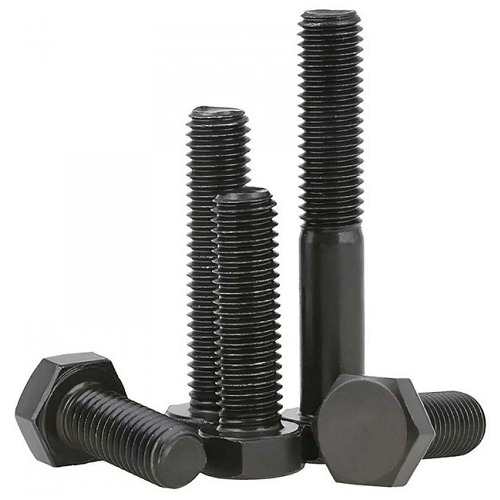
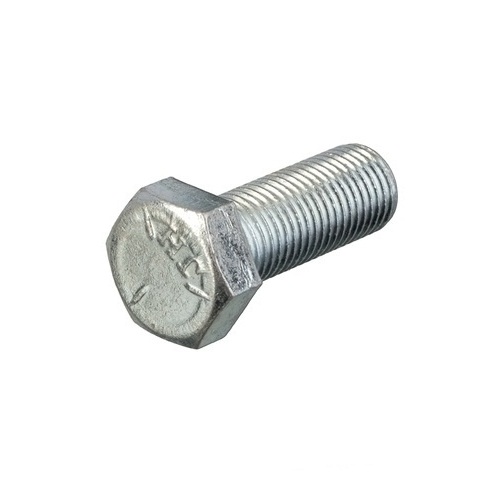
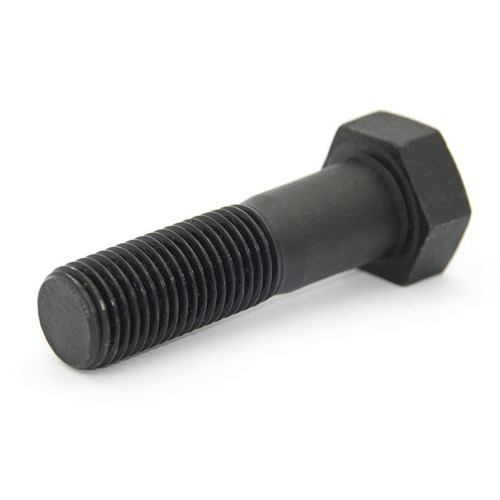
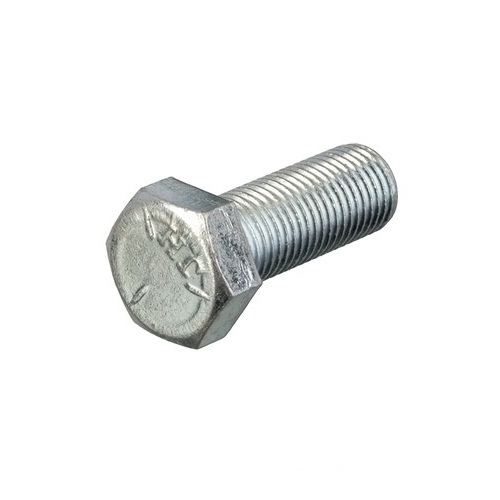
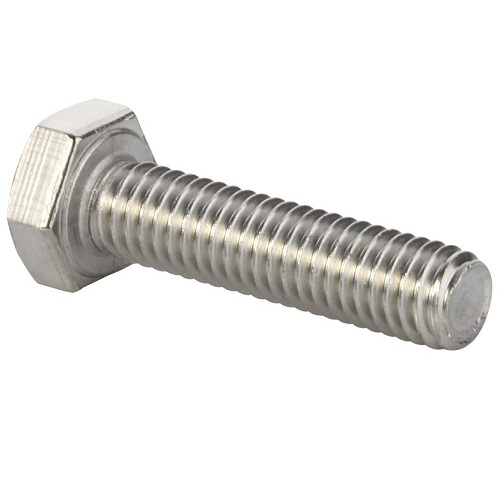
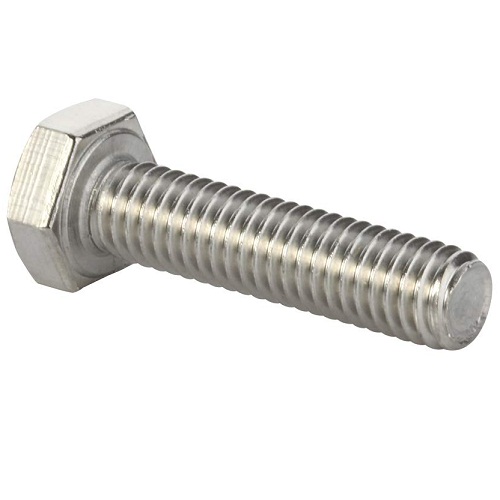
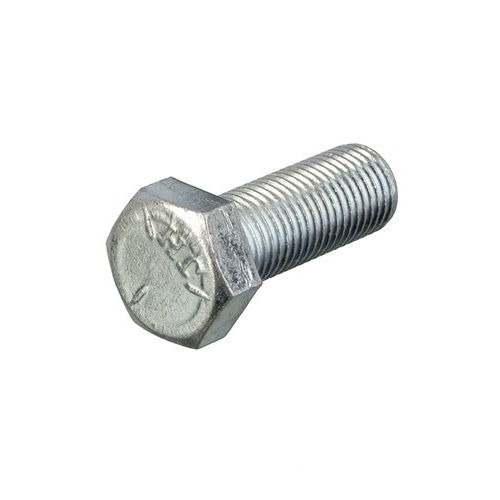
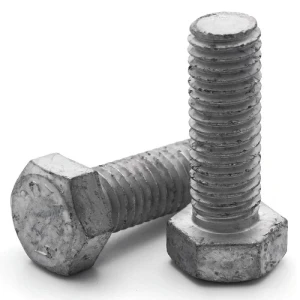
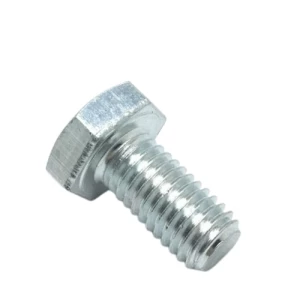
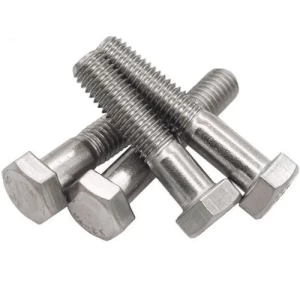
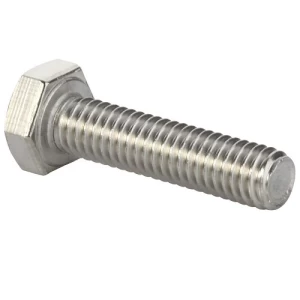
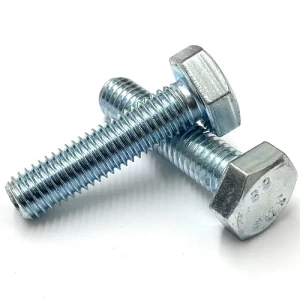
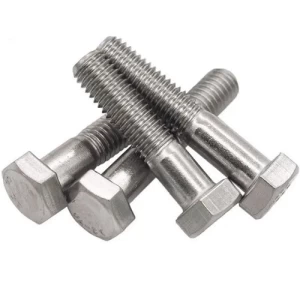
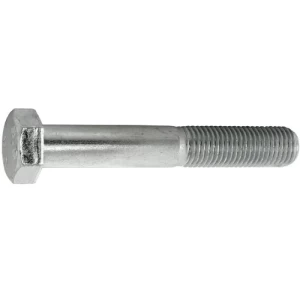
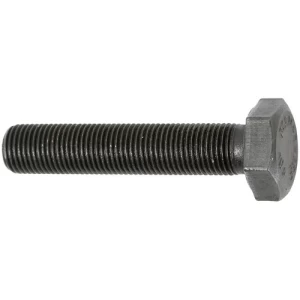
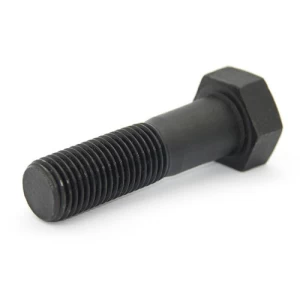
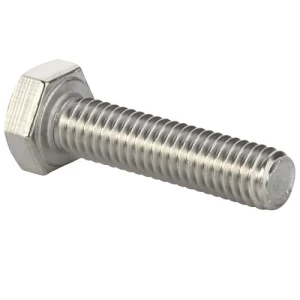
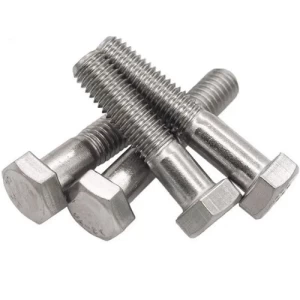
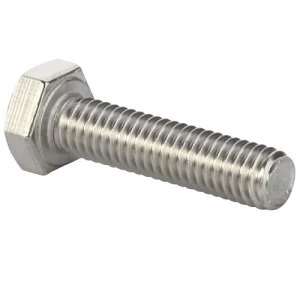
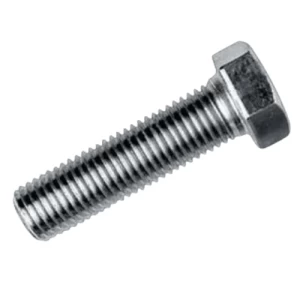
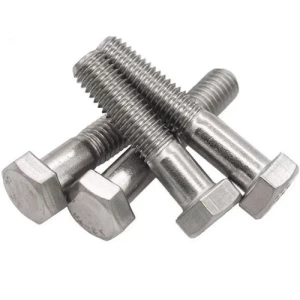
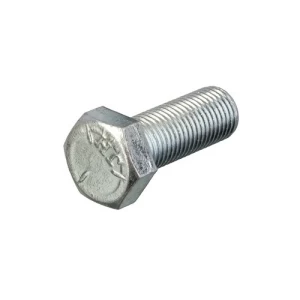
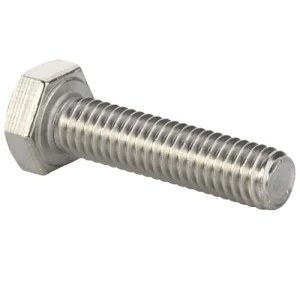
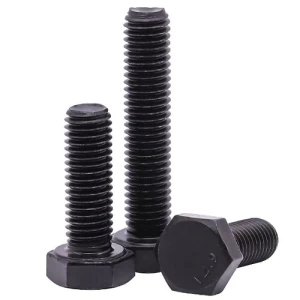
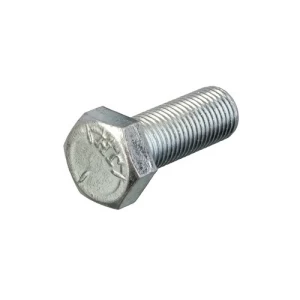
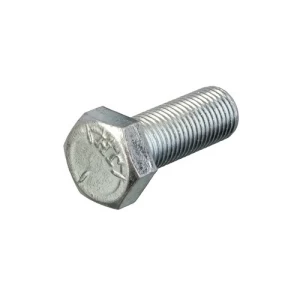
A hex-head bolt uses a spanner and resists twisting under high torque, making it stronger for structural joints, flooring, and steel work. A nail is hammered or screwed and suits light fixings. In Saudi cities like Riyadh and Jeddah, bolts are preferred for floors and metal frames because temperature changes and humidity affect long-term hold.
Yes, if you choose the right material. Stainless steel, chrome-plated, or zinc-plated hex-head bolts resist corrosion better in Jeddah, Dammam, and Khobar. Always check that the coating is thick enough and meets international standards, since high humidity and salt air can cause rust if quality specs are ignored.
Hex-head bolts are commonly available from 1/4 to 3/4 inch, with lengths starting around 25 mm and increasing based on project needs. Choose the bolt diameter so the threaded hole is slightly smaller than the material’s pre-drilled hole, and add a nut hole if needed. Measuring the hole in millimetres before buying helps prevent fitting mistakes.
Check the material label, hardness grade, protective coating, and clean, uncracked edges. The threads should be uniform, and dimensions should match recognized international standards. At Matkel, you can request a tax invoice and product details, making it easier to verify the bolts before installation on-site.
Common options include zinc-plated mild steel, stainless steel, and high-strength steel. For outdoor use in Saudi Arabia, especially near coastal areas, stainless steel or a salt-resistant coated bolt is best. Always consider the load requirement, hardness grade, and expected exposure to heat, sand, and humidity.