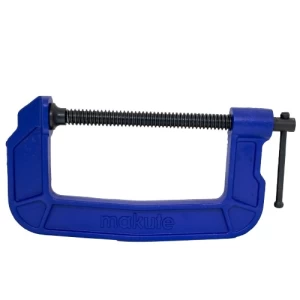
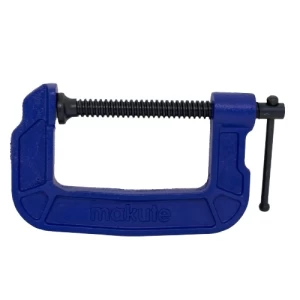
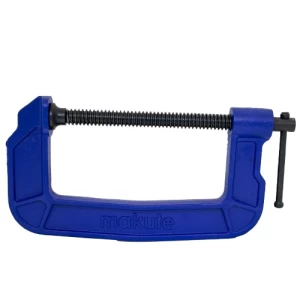
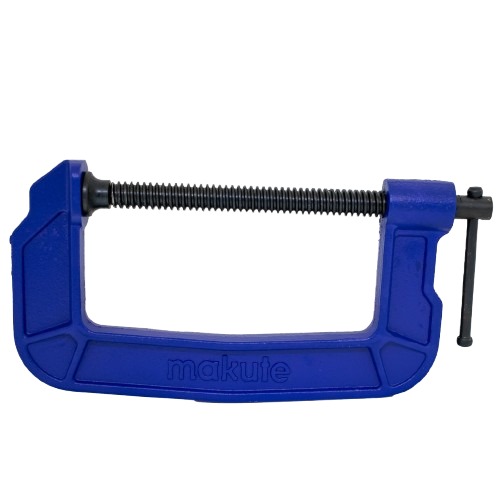
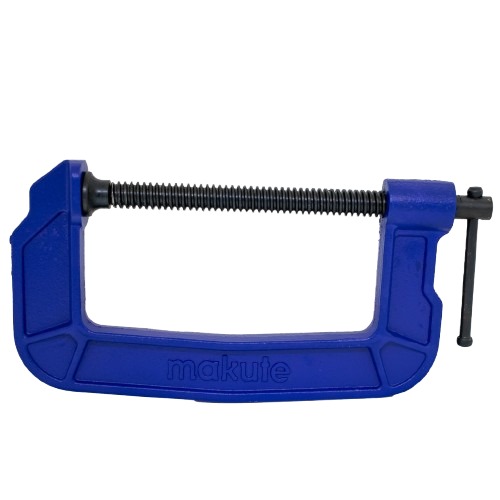
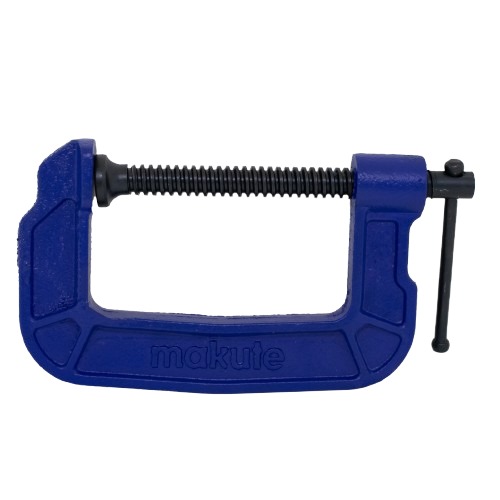
Prices vary by jaw size, throat depth, bar length, and steel quality. At Matkel, lighter-duty clamps start lower, while heavy-duty models cost more for higher load capacity. Compare bolt finish, jaw width, and handle grip, since these affect durability in workshops and home projects across Saudi cities.
Heavy-duty clamps use stronger steel, wider handles, and larger bolts, so they can hold thicker wood or metal pieces. Standard clamps suit light tasks only, while heavy-duty models maintain pressure during carpentry, welding, and assembly. This matters when you need steady clamping without slippage under continuous tightening.
Yes, if the jaw opening is wide enough for the combined thickness and both surfaces are clean and flat. Choose a corrosion-resistant clamp with smooth, padded jaws to protect edges. For mixed wood and metal work, keep the contact surface stable to avoid dents, scratches, or shifting during assembly.
Look for zinc plating, oxide coating, or a smooth finish without scratches and dark spots. A good clamp keeps its appearance after cleaning and should not develop rust after storage in Riyadh, Jeddah, or other workshop environments. After using it in humid or coastal areas, wipe and dry the steel surfaces thoroughly.
Measure both pieces together, then select a jaw opening slightly wider than the total thickness so sharp edges do not touch when tightened. For larger pieces, use a clamp with a wider handle and larger bolts. Keep several Matkel sizes available to cover different carpentry, welding, and fabrication tasks in Saudi workshops.