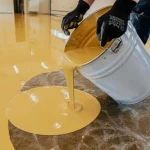
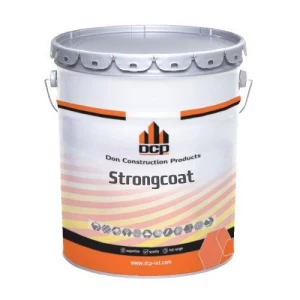
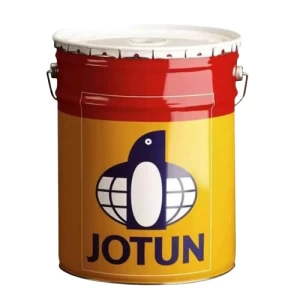
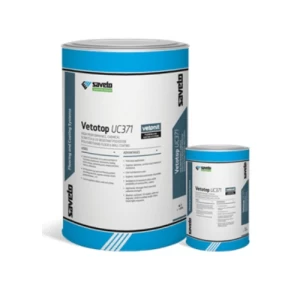
Polyurethane offers a flexible, glossy finish that resists movement, scuffs, and UV exposure, making it ideal for high-traffic Saudi spaces. Epoxy is harder and can be more budget-friendly, but may need more careful prep. Choose polyurethane for long-term durability and epoxy for strong, cost-effective protection.
Yes. Clean the old ceramic thoroughly to remove dust, grease, and loose material, then repair cracks and sand the surface if needed. Apply a suitable primer on smooth or glazed tiles before using polyurethane. This helps improve adhesion and durability, especially in wet or high-footfall areas.
Epoxy flooring cost in Saudi Arabia depends on area size, surface condition, product grade, number of coats, and local conditions such as heat in Riyadh or Jeddah. Typical service includes surface preparation, repair, primer, epoxy coats, and top finish. For an accurate quote, the site should be measured and assessed for traffic and chemical exposure.
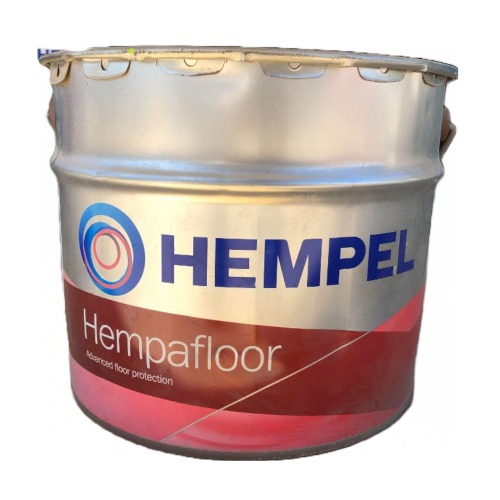
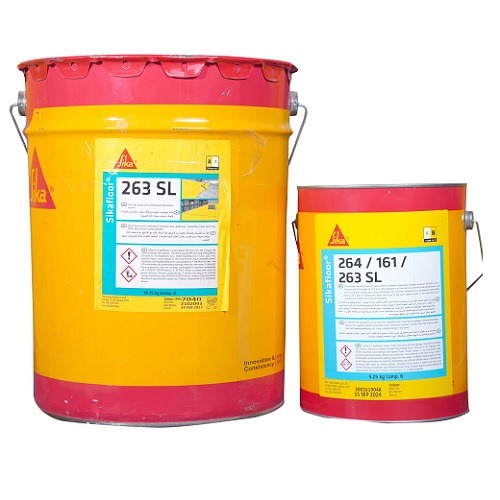
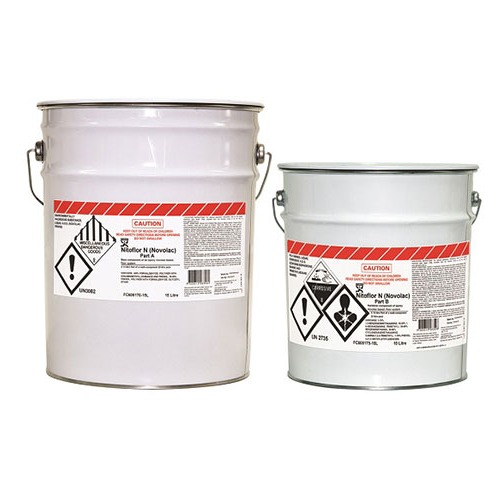
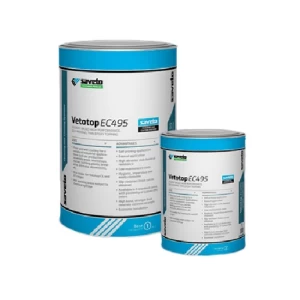
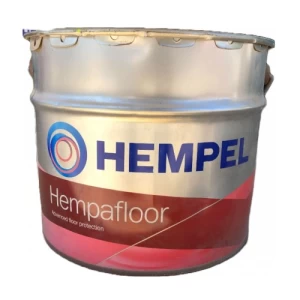
Look for heat resistance, UV stability, anti-slip performance, and easy maintenance. Saudi flooring must handle high temperatures, dust, and occasional moisture. Matkel offers floor paints suitable for factories, warehouses, and car parks, with options that match the base material and required slip resistance for your project.
Drying time depends on temperature, humidity, and coat thickness. In typical Saudi conditions, light foot traffic may be possible after a few hours, while full cure and heavy equipment use usually require several days. Keep the area well ventilated and avoid moving heavy loads until the coating has fully hardened.