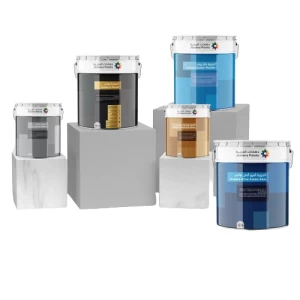
The price per square meter in Riyadh, Jeddah, or Dammam depends on floor condition, required thickness, usage, and whether the concrete needs sealing or extra layers. At Matkel, we confirm the final price after inspecting the site, checking the concrete, and identifying any additional surface preparation.
Polyurethane is more flexible and resistant to sunlight and heat changes, making it suitable for outdoor areas and sun-exposed floors in Saudi Arabia. Epoxy can be harder for some applications but may be more affected by weather. The right choice depends on location, load, and finish.
Yes, it works well in kitchens, workshops, and factories when the correct thickness and layers are selected. It helps protect against oils, water, and moderate chemicals while reducing liquid penetration into concrete. For industrial projects, the floor should be assessed based on the materials it will contact.
Drying time varies with temperature, humidity, number of layers, and product type. In Saudi Arabia's dry climate, the process may move faster, but you can usually walk on the floor after a few hours from the final coat. Heavy equipment should wait until the coating has fully cured.
Often, the concrete base requires cleaning, crack repair, and a level check. A primer or moisture barrier may be needed, especially in warehouses and factories. At Matkel, we verify the base condition before application to reduce later peeling, bubbling, or moisture-related problems.