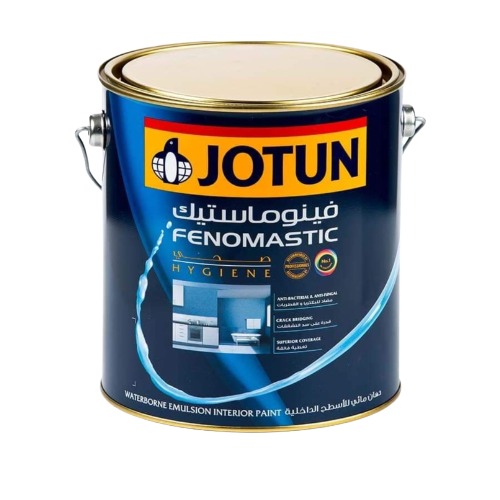
Yes. Matkel hygienic wall coatings include antimicrobial additives that reduce bacteria and mold buildup, especially in humid coastal Saudi areas. They are not permanent disinfectants, but they help lower growth when walls are cleaned regularly in kitchens, hospitals, and schools.
Yes, choose coatings approved for healthcare environments, with low odor, strong wipeability, and resistance to diluted disinfectants. For patient, pediatric, and procedure areas, use a hard-finish antimicrobial paint with the correct primer for firm adhesion, even coverage, and easier cleaning.
Price varies by paint type, number of coats, surface size, location across Saudi Arabia, and preparation work. High-quality hygienic coatings usually cost slightly more than standard paint, but the total can be compared per square meter. Check specifications, coverage, and maintenance life before buying to get the best long-term value.
Yes. They can be applied to plasterboard and concrete after removing dust and grease, repairing cracks, and assessing moisture. Use a suitable preparatory coat for damp areas, a bonding primer on porous surfaces, then two coats of hygienic paint for even coverage and wash resistance.
Touch dryness usually takes a few hours, while full cure is around one day, depending on heat and ventilation. With correct application and regular cleaning, the coating can last for years. Matkel hygienic wall coatings are tested for antimicrobial performance, and warranty terms depend on product type and supply conditions.