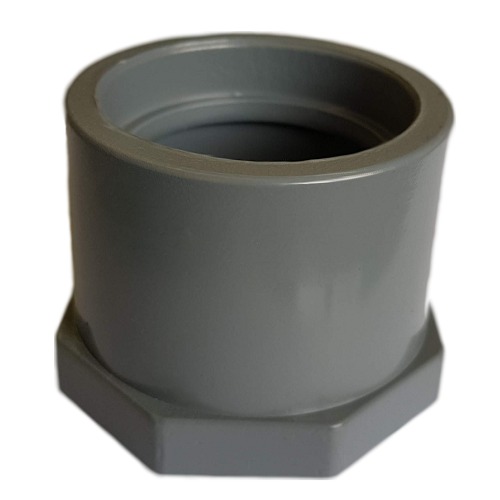
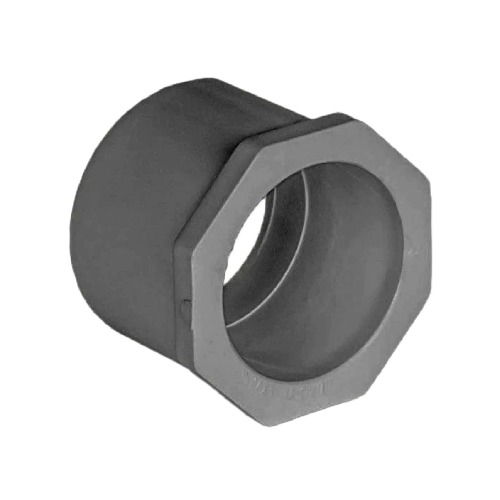
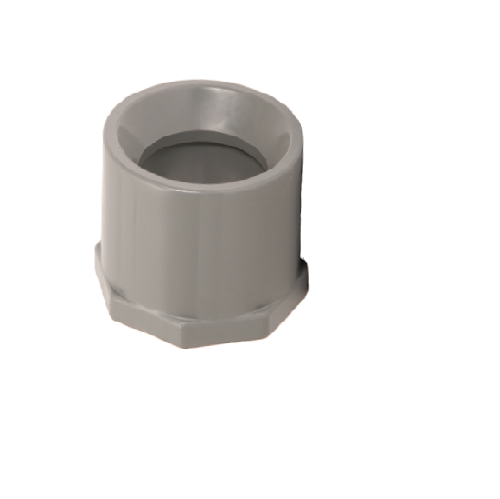
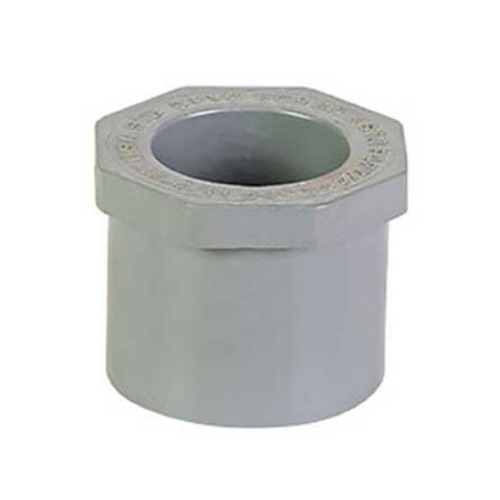
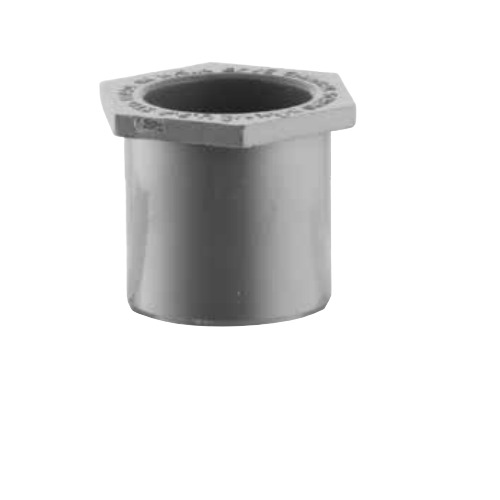
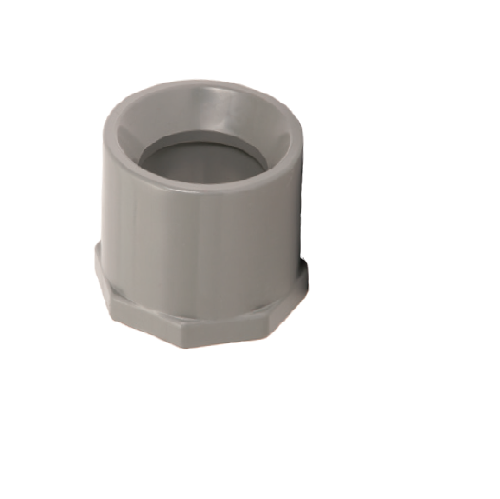
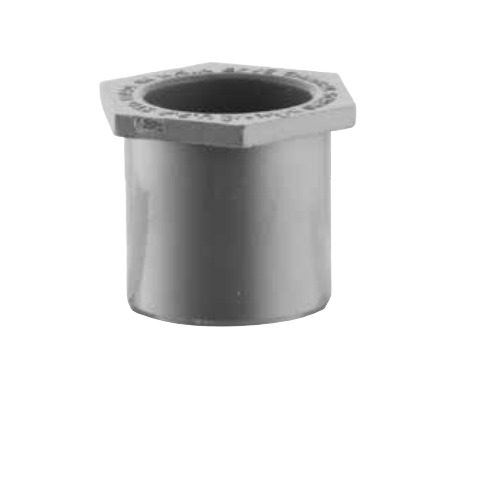
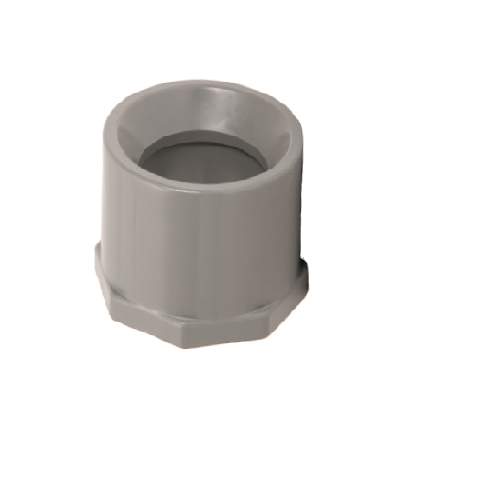
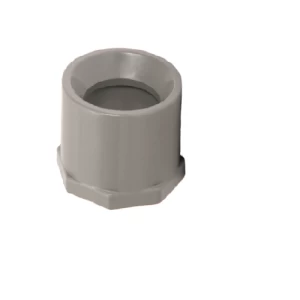
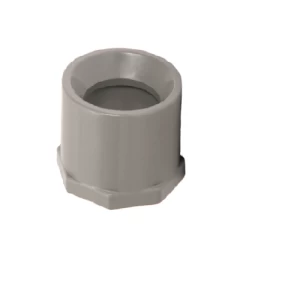
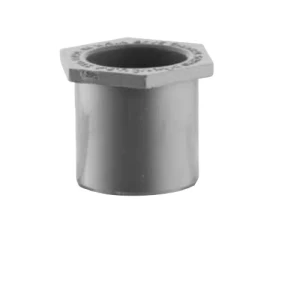
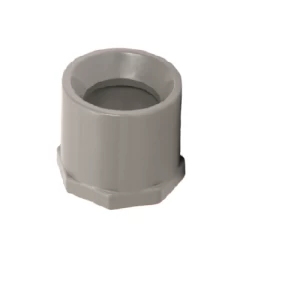
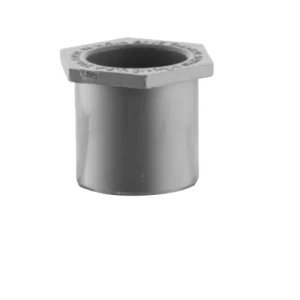
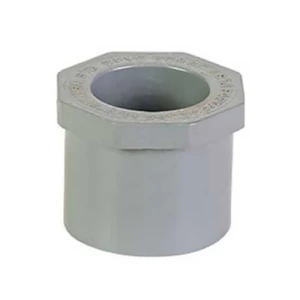
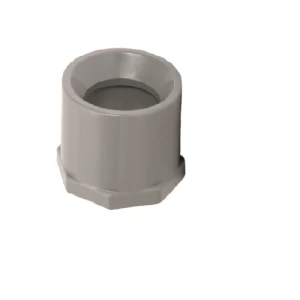
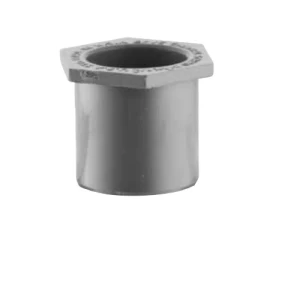
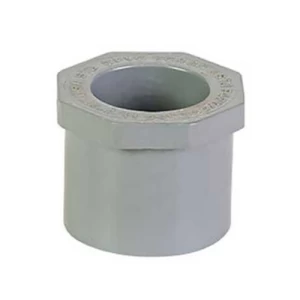
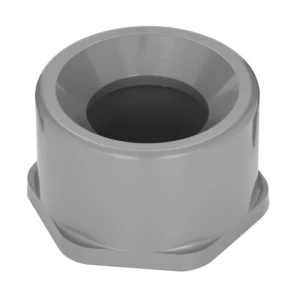
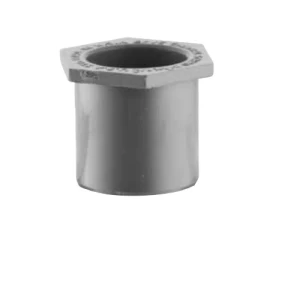
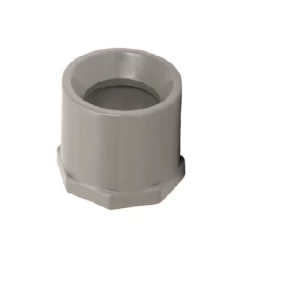
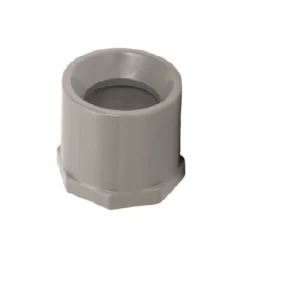
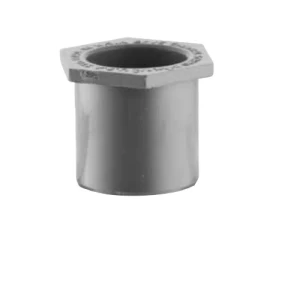
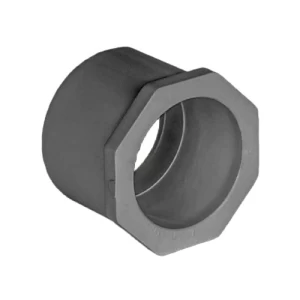
Yes, CPVC reducers are commonly used for hot and cold water when sized correctly and system pressure is within rated limits. In Riyadh and Jeddah, proper alignment and clean surfaces before assembly help reduce leaks and support reliable long-term performance.
Check color consistency, clear branding, stable inner dimensions, and smooth edges. Genuine reducers match standard sizes and show no warping. For projects, choose trusted brands such as Matkel for better joint stability and lower risk of leaks from thermal movement.
Common sizes include 1 inch, 1.25 inch, 1.5 inch, and 2 inch reducers, with full and half options depending on pipe transitions. Always check the project drawing and internal or external dimensions before ordering, especially for housing, hotels, and commercial buildings.
For CPVC, proper solvent cementing is usually sufficient. Clean and prepare the joint, remove dust, use compatible CPVC cement, and allow the recommended cure time. In large projects, follow manufacturer instructions, because weak joints can leak under pressure, especially with repeated hot water circulation.
Verify internal and external dimensions, material type, pressure rating, and temperature rating. Pipe wall thickness can vary even when the nominal diameter looks similar, so check each technical data sheet. Using reputable reducers that meet local specifications helps prevent expansion issues or loose connections in Saudi installations.