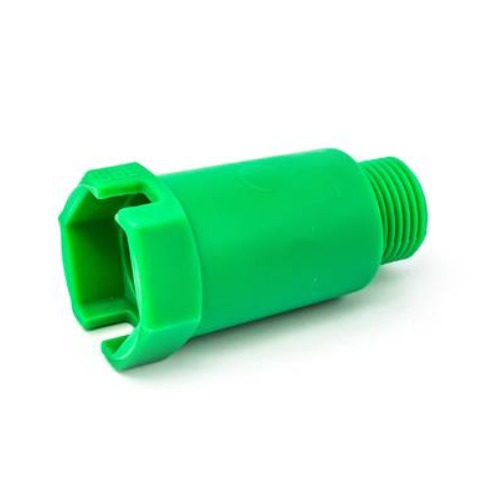
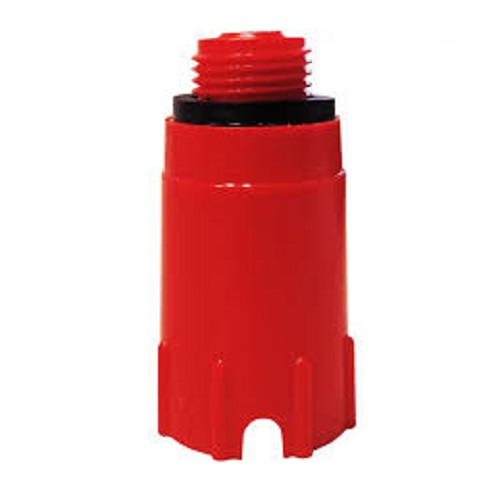
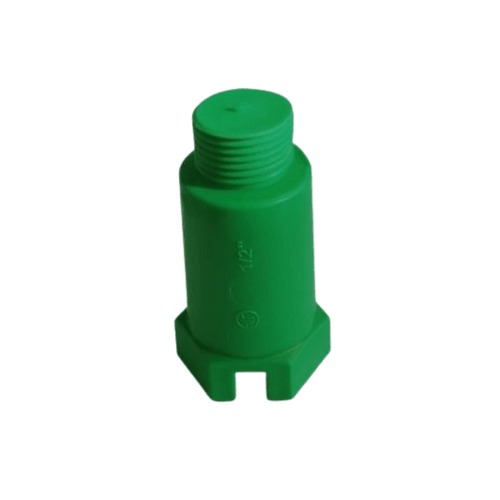
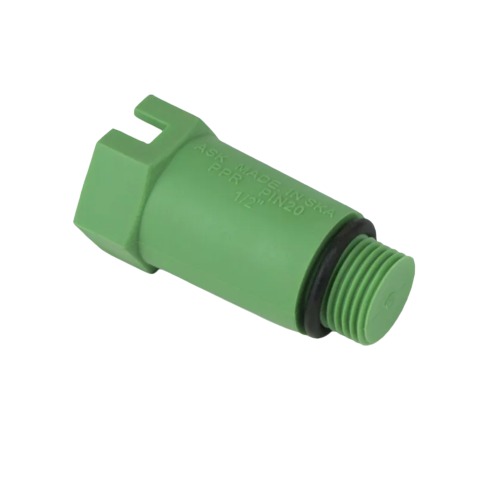
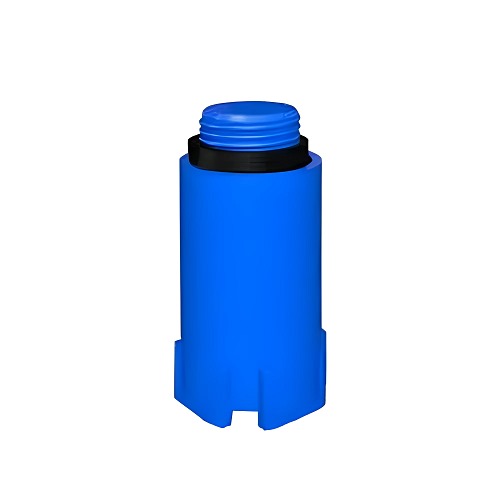
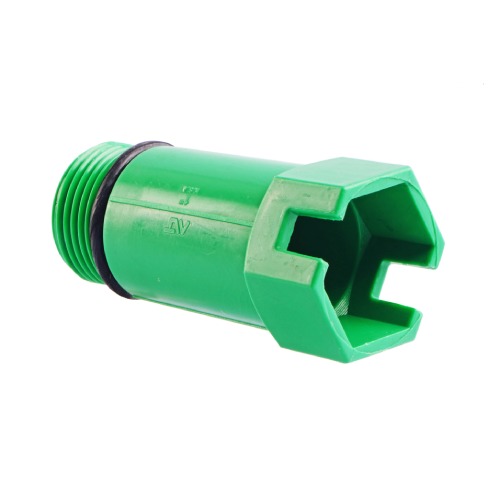
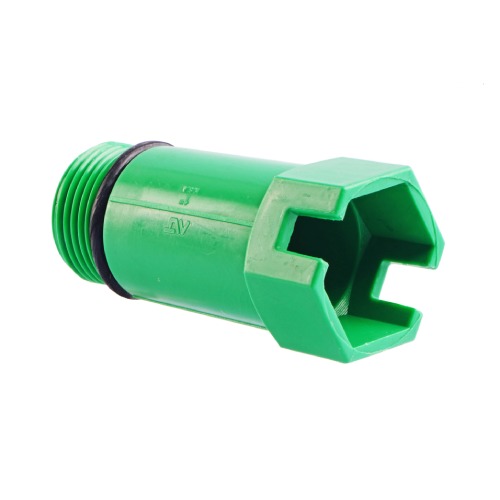
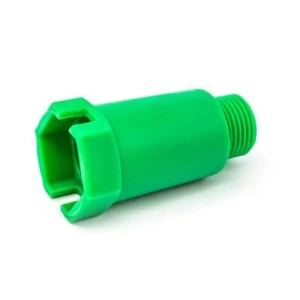
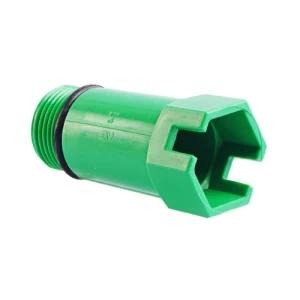
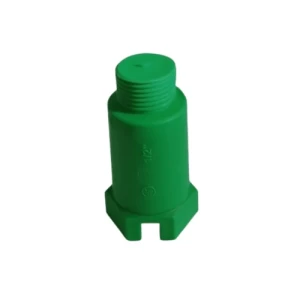
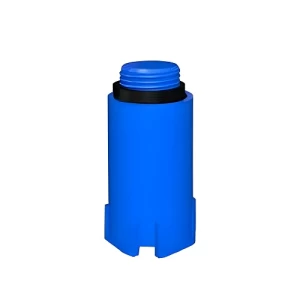
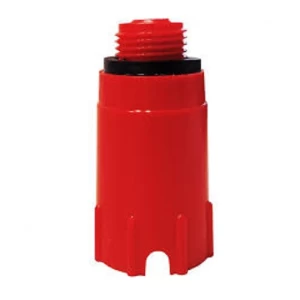
PPR end cap prices depend on diameter and wall thickness. Smaller 20 mm caps cost less, while 40 mm and 50 mm caps cost more. Buying in bulk usually gives a better wholesale price. Matkel can provide an exact quote based on your quantity, required size, and delivery city.
Yes. If made from virgin polypropylene and matched to your PPR pipe, a properly fitted end cap can handle hot and cold water without leaking. Choose the same size and wall thickness, then install it using the correct heat or mechanical method to avoid gaps or over-tightening.
Cut the pipe end cleanly and straight, then push the cap to the correct depth. For heat-fusion caps, warm both ends with a matching PPR heater and press firmly until cool. Do not use glue or liquid sealants. After fitting, check that the cap is tight, aligned, and free from gaps.
Common sizes include 20, 25, 32, 40, and 50 mm. Most standard PPR end caps are designed for hot and cold water systems, typically up to 70°C and suitable pressure. In Saudi heat, choose the right wall thickness for exposed pipes, outdoor runs, or areas near heat sources.
Heat-fused end caps should not be reused after removal because refitting can weaken the seal and cause leaks. Mechanical caps can usually be replaced with a new cap. Matkel supplies PPR end caps to quality standards and can offer replacement if the size does not fit after confirming details before purchase.