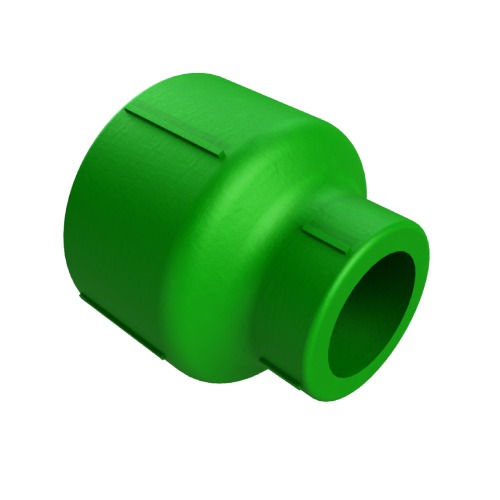
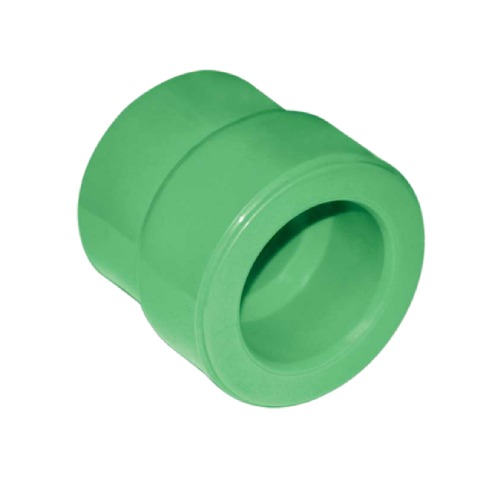
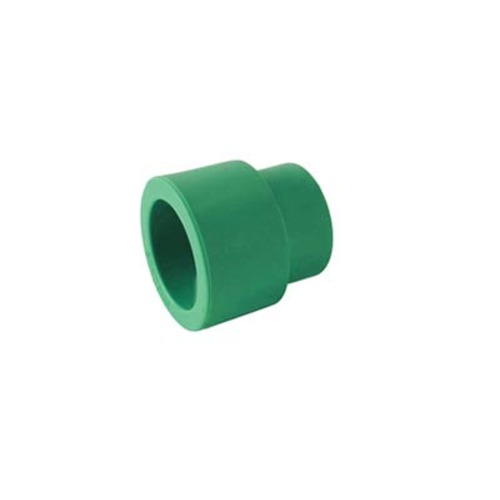
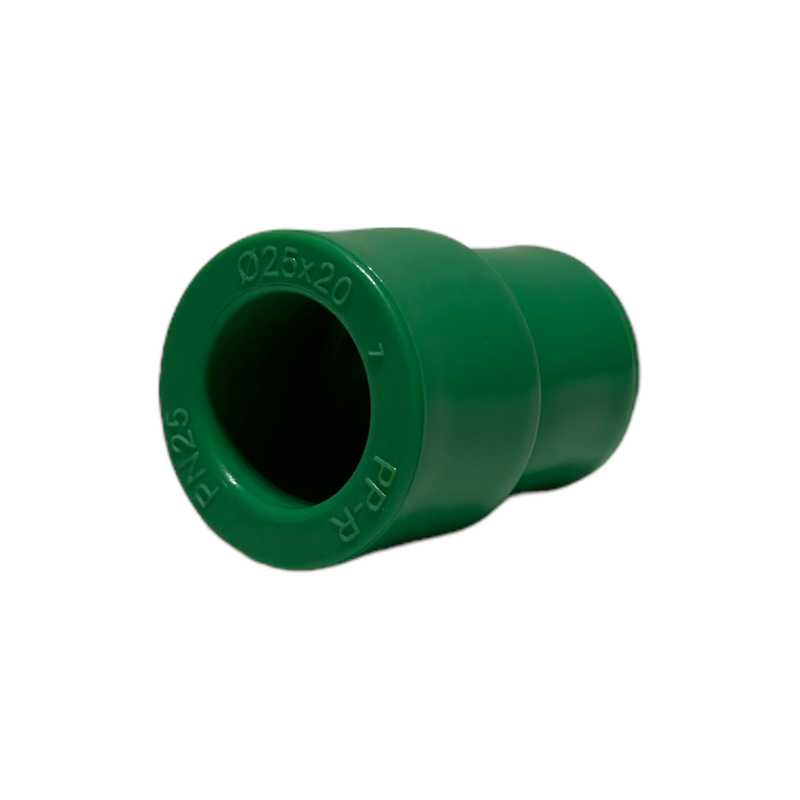
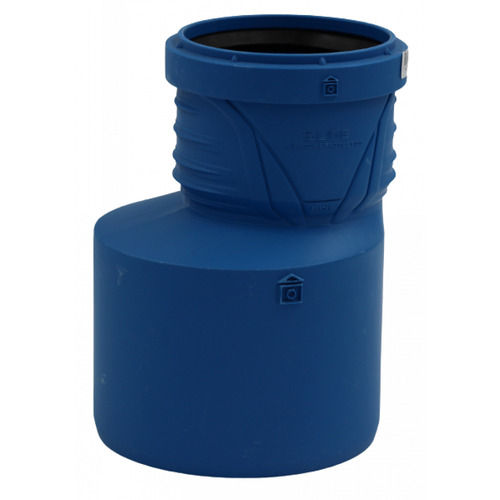
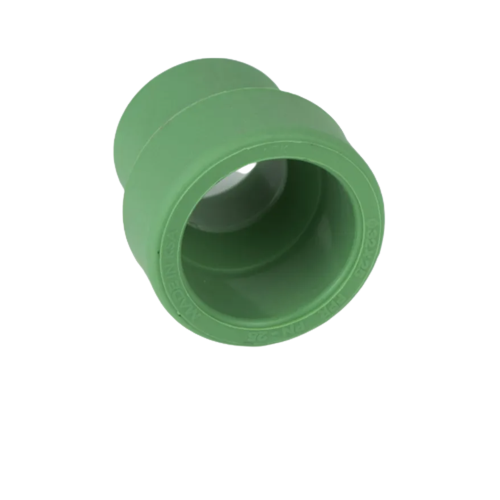
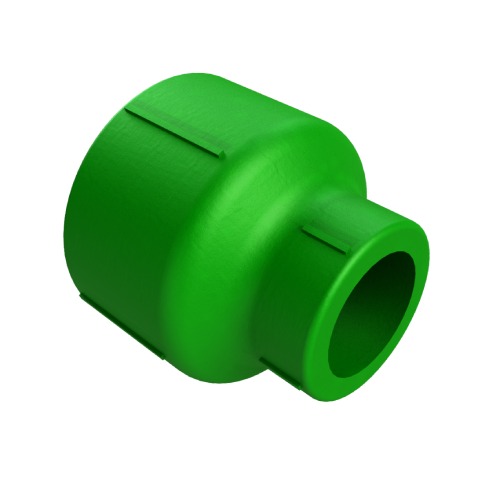
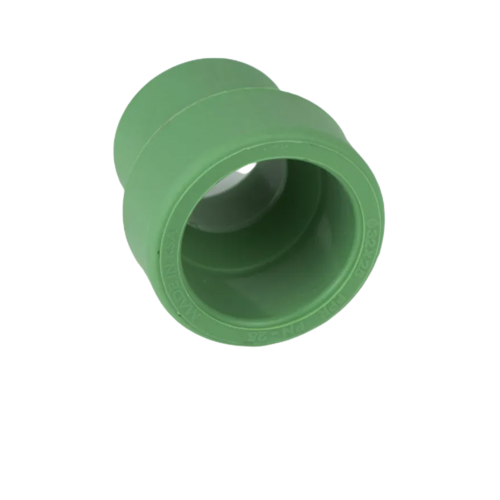
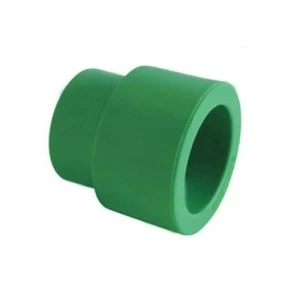
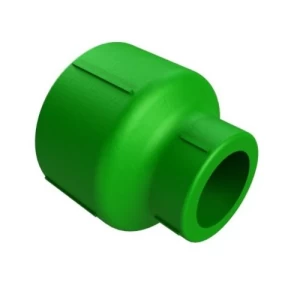
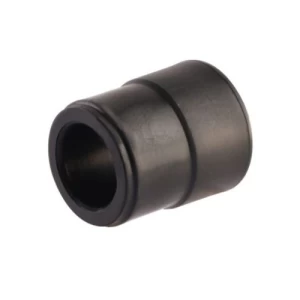
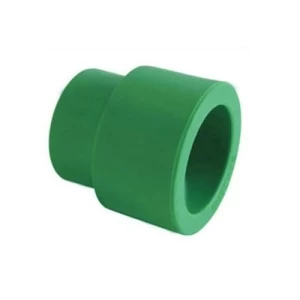
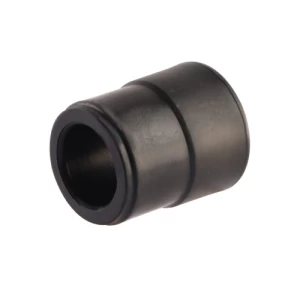
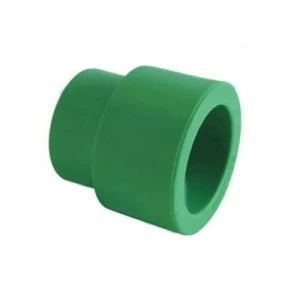
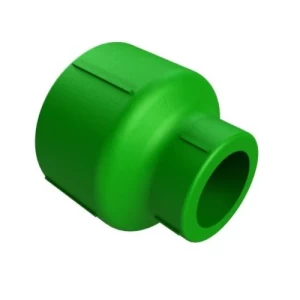
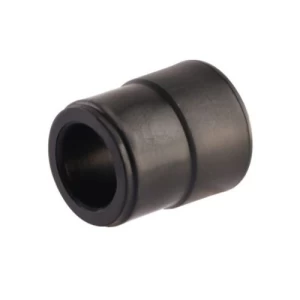
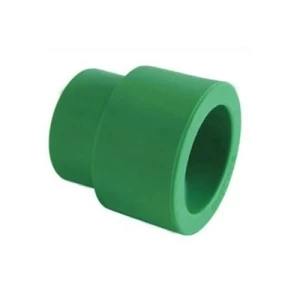
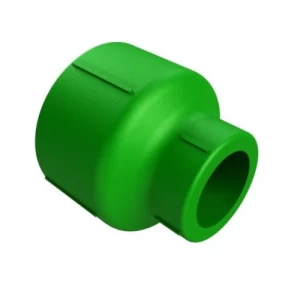
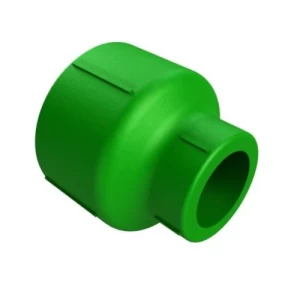
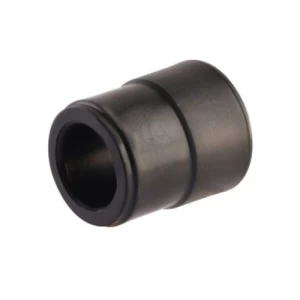
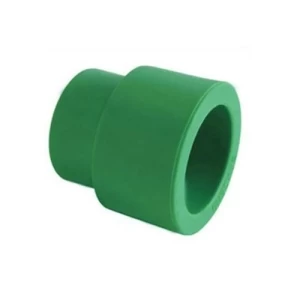
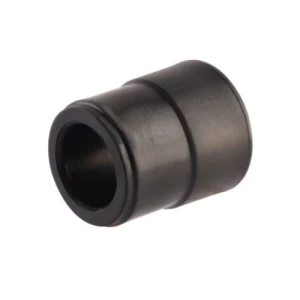
Prices depend on size, wall thickness, and brand. Common residential sizes such as 25x20 and 20x16 are usually more affordable, while larger reducers or thick-wall types cost more. At Matkel, you can compare options by size, quality, and price before ordering.
Match the reducer to the two pipe connections, such as 25x20 or 32x25, and confirm the wall thickness suits both pipes. For higher pressure or flow, choose a thicker wall. Measure the actual outside dimensions before buying, not just the internal bore size.
Yes, quality PPR reducers can withstand typical hot-water and cooling system pressures, especially thick-wall and certified options. In hot cities like Riyadh, Dammam, and Jeddah, choose reducers rated for stable pressure and elevated temperatures to reduce leakage or expansion.
PPR reducers are suitable for drinking water when made from safe, potable-grade material and marked for water use. Most leaks come from poor socket fusion or mismatched pipes, not the reducer itself. Ensure clean joints, correct fusion temperature, and installation by a skilled plumber.
Yes, wall thickness affects pressure and heat resistance, especially for larger systems or outdoor lines exposed to sunlight. The reducer should match the original PPR pipe wall class to ensure a strong, uniform fusion joint. Using the same wall class prevents weak connections and premature failure.