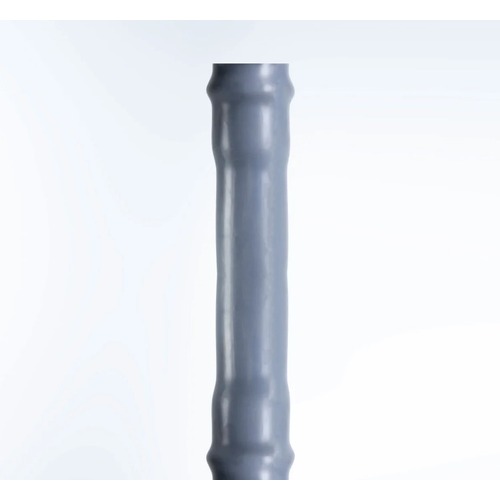
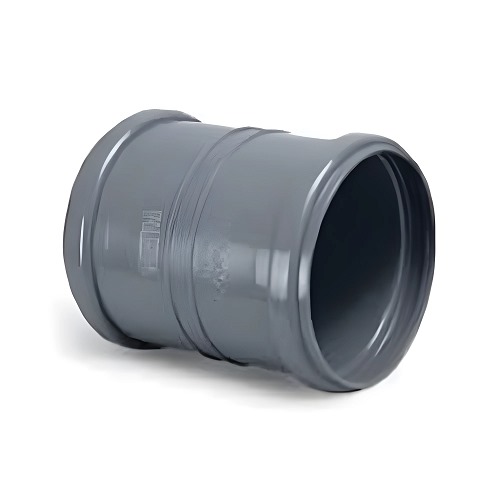
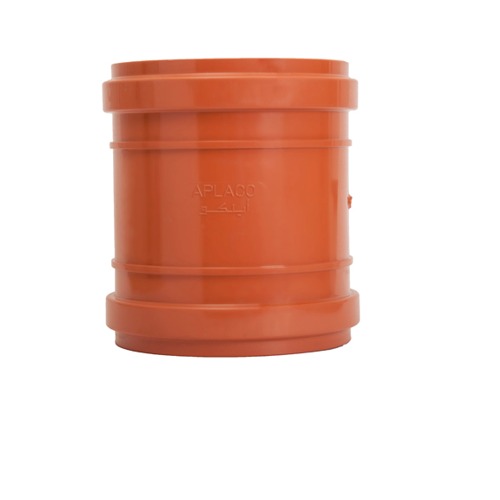
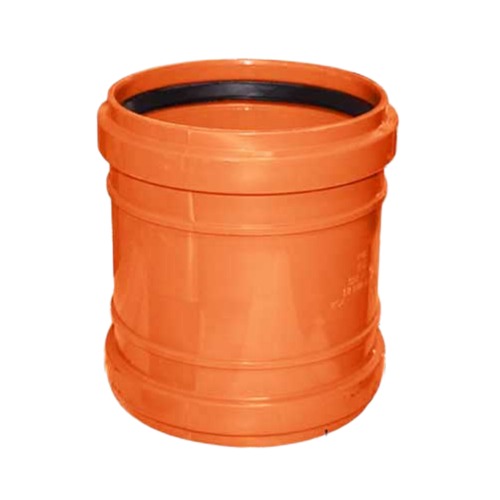
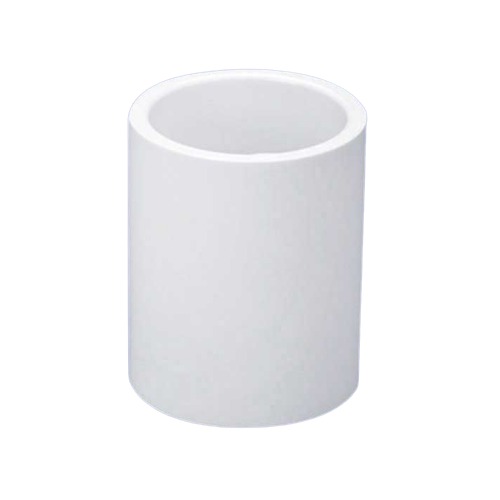
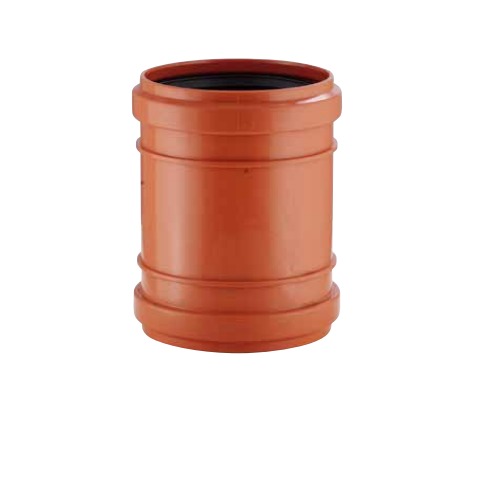
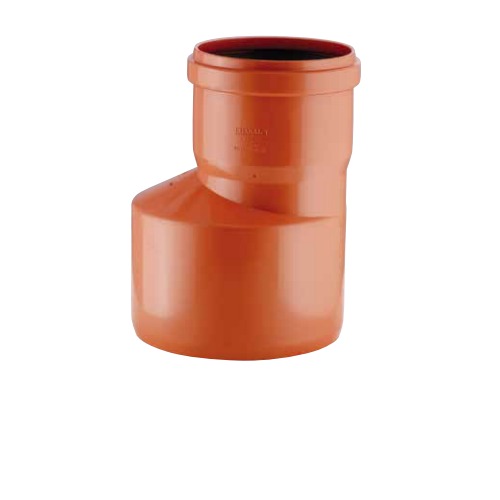
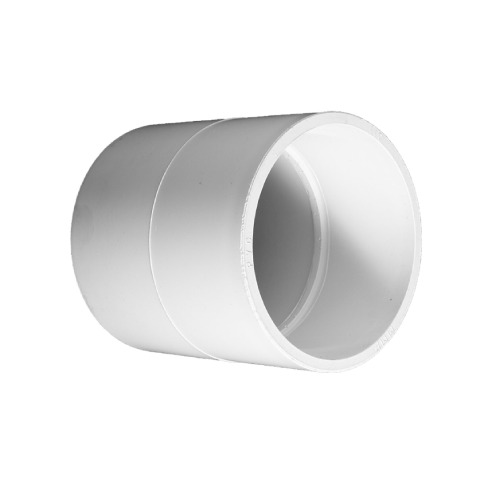
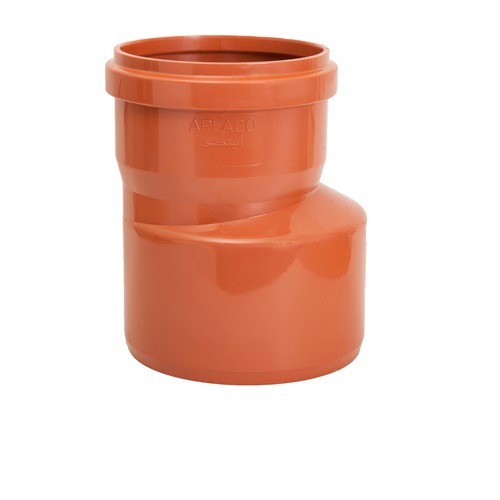
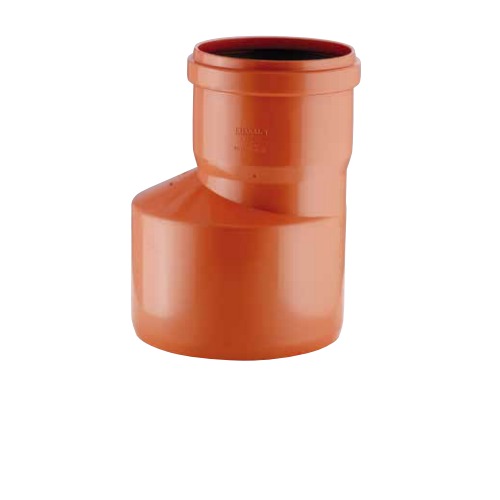
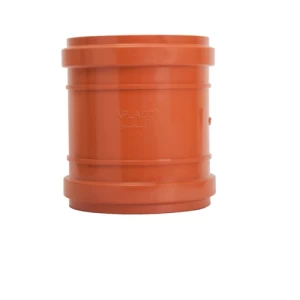
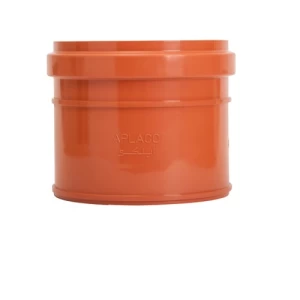
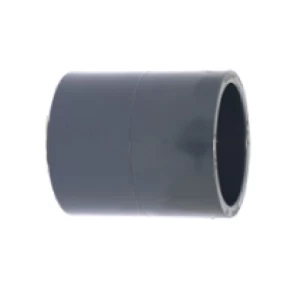
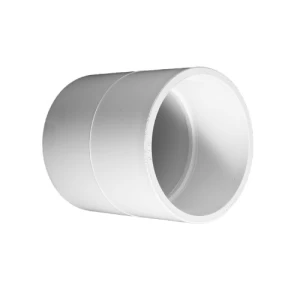
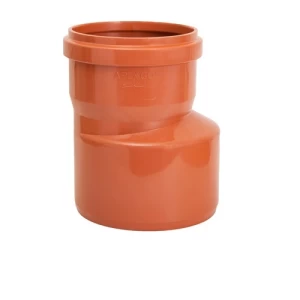
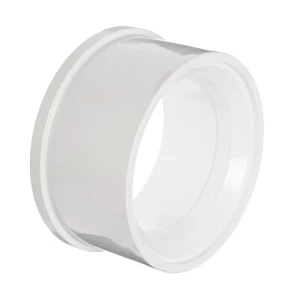
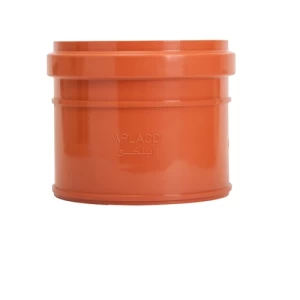
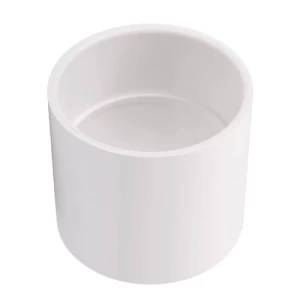
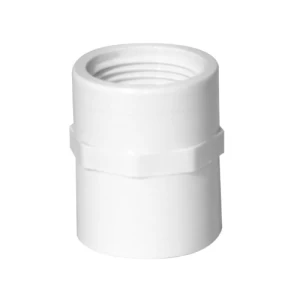
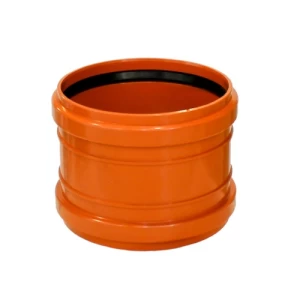
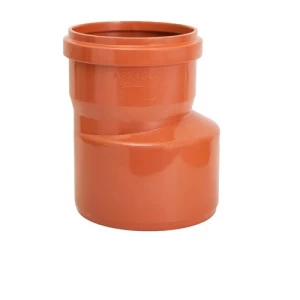
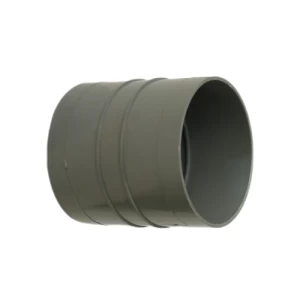
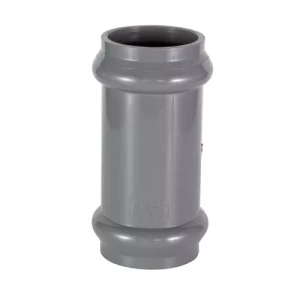
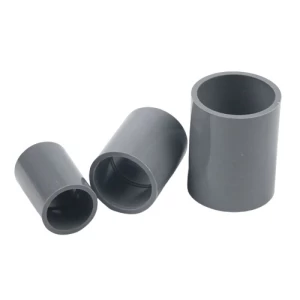
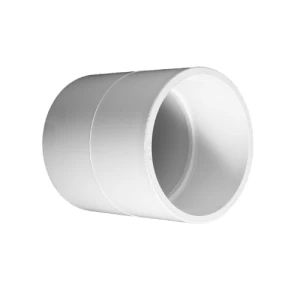
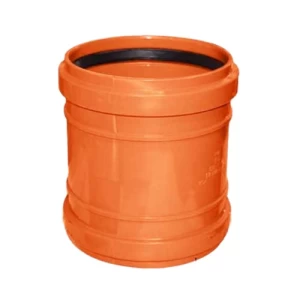
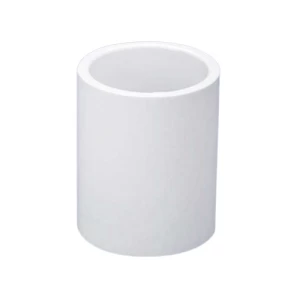
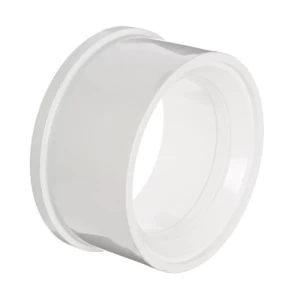
Match the coupling to the pipe's nominal size and measure the outer diameter before ordering. Common sizes include 1.25 inch and 2 inch, with millimeter dimensions listed. For older pipes, compare the outside diameter against the size chart to avoid leaks and fit issues.
Yes, UPVC couplings can be used for fresh drinking water when made from approved, lead-free material that meets project specifications. They also work well for sanitary drainage, indoor connections, and irrigation, but avoid heavy oils or strong chemicals unless compatibility is confirmed.
UPVC couplings perform well within recommended temperature limits, usually around 50 C for safe operation. In hot areas like Riyadh or Jeddah, shade or insulation helps protect exposed lines. Allowed pressure decreases as temperature rises, so follow the project specifications and product data.
Clean and dry both the pipe and coupling surfaces before assembly. Apply the recommended plastic primer and cement, then push the pipe firmly to the marked depth and hold it briefly. Matkel provides clear installation guidance to help installers achieve a secure, leak-resistant joint.
Check the Saudi conformity certificate or the executing project's requirements, and verify the brand, size, wall thickness, and pressure rating. Choose a trusted supplier that provides clear quality data and standardized dimensions, which reduces fitting errors and helps ensure a reliable, code-compliant installation.