Surface water drains collect rainwater and runoff from roofs, roads, and parking areas, while sewage lines carry wastewater from toilets and sinks. In Saudi projects, these systems are usually kept separate from the design stage to meet municipal requirements and prevent cross-contamination, especially in Riyadh and Eastern Province.
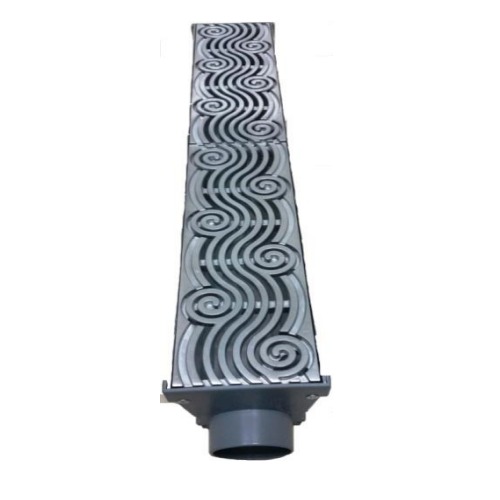
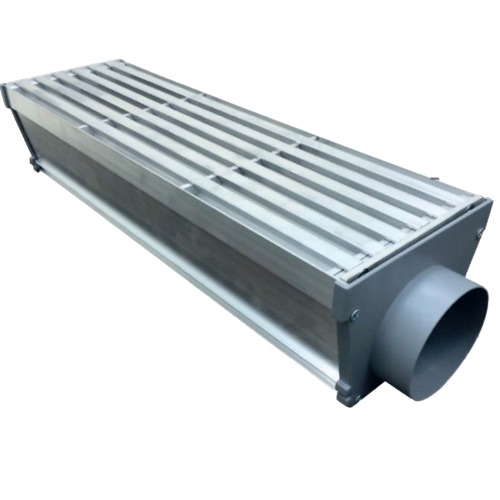
Yes, if you select the right channel type and load class for vehicle traffic. Heavy-duty, anti-slip grates can support wheels from cars, delivery vehicles, and forklifts, with tight joints to reduce leaks. Matkel offers drainage options designed for parking areas and warehouse access roads in Saudi Arabia.
A minimum fall of about 1% is commonly used to help water move toward the drainage outlet, depending on site layout and cover type. Sand and dust can cause blockages if the system is not cleaned regularly. Choosing proper grate openings and clog-resistant channels reduces maintenance in Saudi Arabia's dry, dusty climate.
Cost depends on channel type, load class, route length, soil conditions, and required connections. Prices may vary between Riyadh, Jeddah, and the Eastern Province depending on project size and site access. Material price per meter is usually separate from excavation, concrete work, and testing, so request a site-specific quote.
Yes, it works well for villas, compounds, and small commercial projects by directing rainwater from driveways, roofs, and walkways to a drainage line or soakaway. Choosing the right size and load rating helps meet local municipal requirements and prevents water pooling, even during short heavy rain events in Saudi Arabia.