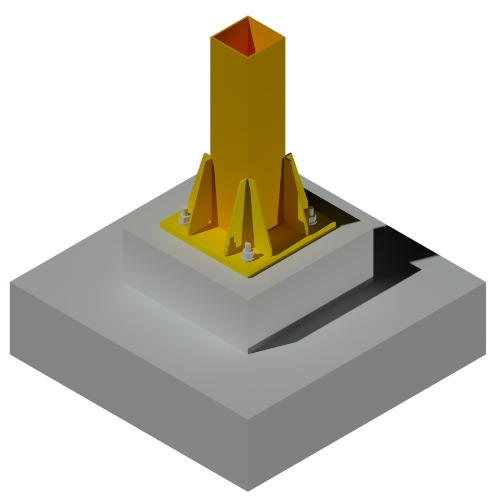
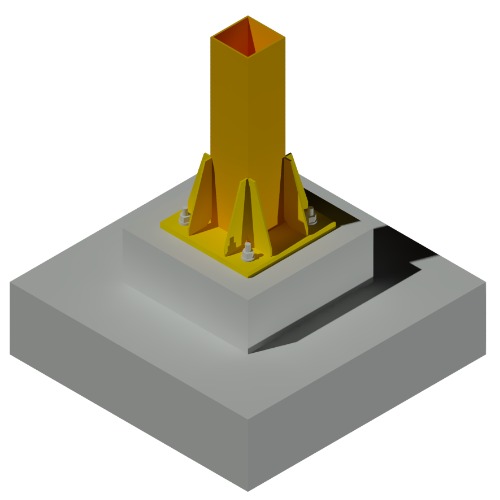
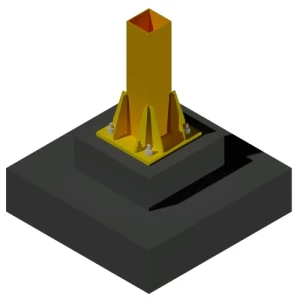
It depends on soil tests, loads, and span. For typical Saudi residential projects, footings often use C25 to C30 concrete with reinforcement sized by structural calculations. Matkel reviews your drawings and site location in Riyadh or Jeddah to specify accurate quantities and keep costs safe.
Yes, precast footings are suitable for residential buildings when engineered from soil investigation results. They speed installation and reduce placement errors, but dimensions and concrete strength must match wet, shallow, or saline soils. In western and central Saudi areas, confirm load ratings and drainage design before ordering.
It varies by project scope. Some quotes cover materials only, while others include delivery, rebar fixing, concrete pouring, and curing. Matkel states the final bill before work starts, listing concrete grade, steel tonnage, site location, and curing requirements so you can compare total cost clearly.
Most footings use C25 or C30 concrete, with higher grades for heavier structures or difficult soil. Treatment or damp-proofing may be needed for wet, salt-bearing, or expansive soils. In Saudi projects, a licensed engineer should approve the footing design and soil remediation according to local building code requirements.
Duration depends on project size, site access, and concrete curing. Small footings can be installed in a few days, while larger compounds may take several weeks. Choose a supplier that documents material certificates, curing, and testing, and offers a clear warranty on materials and placement workmanship.