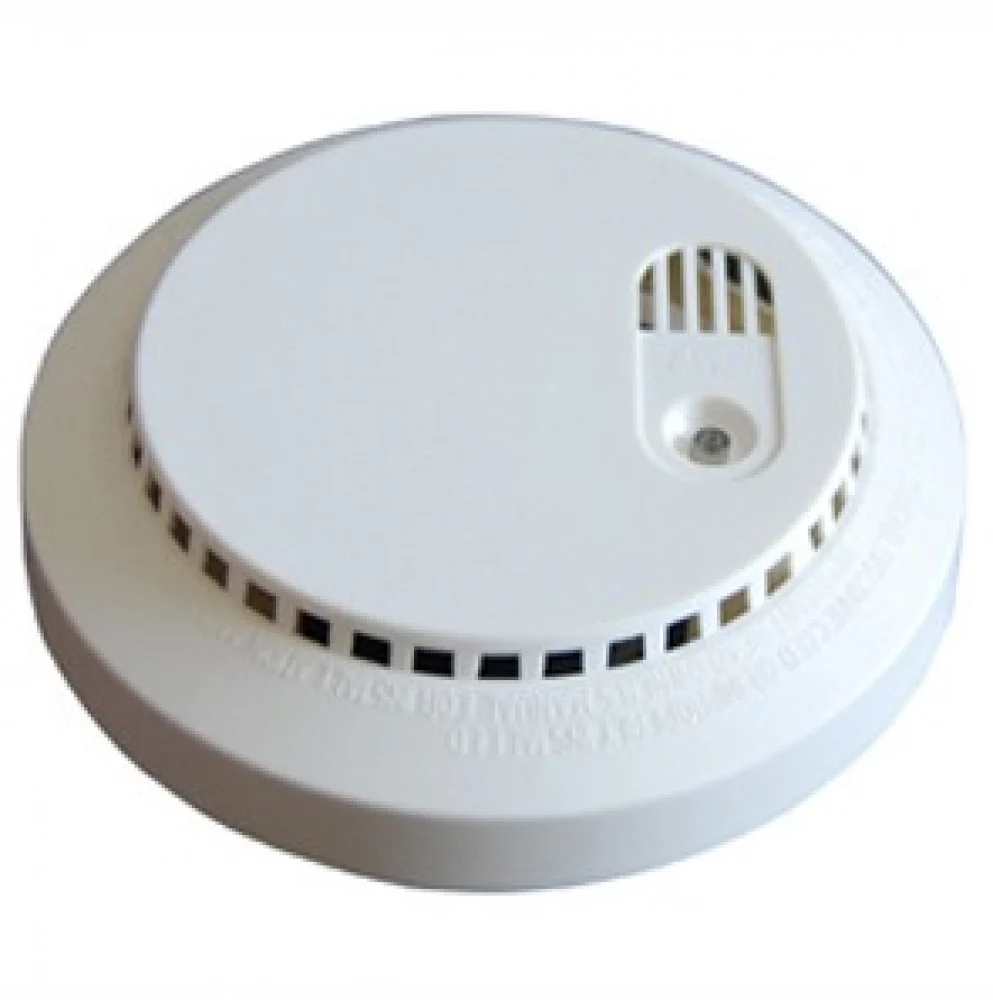
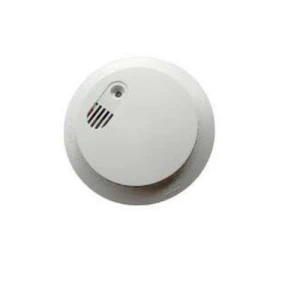
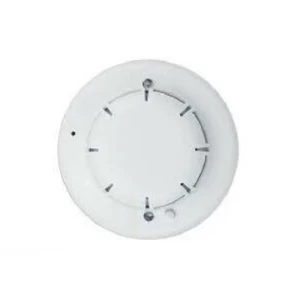
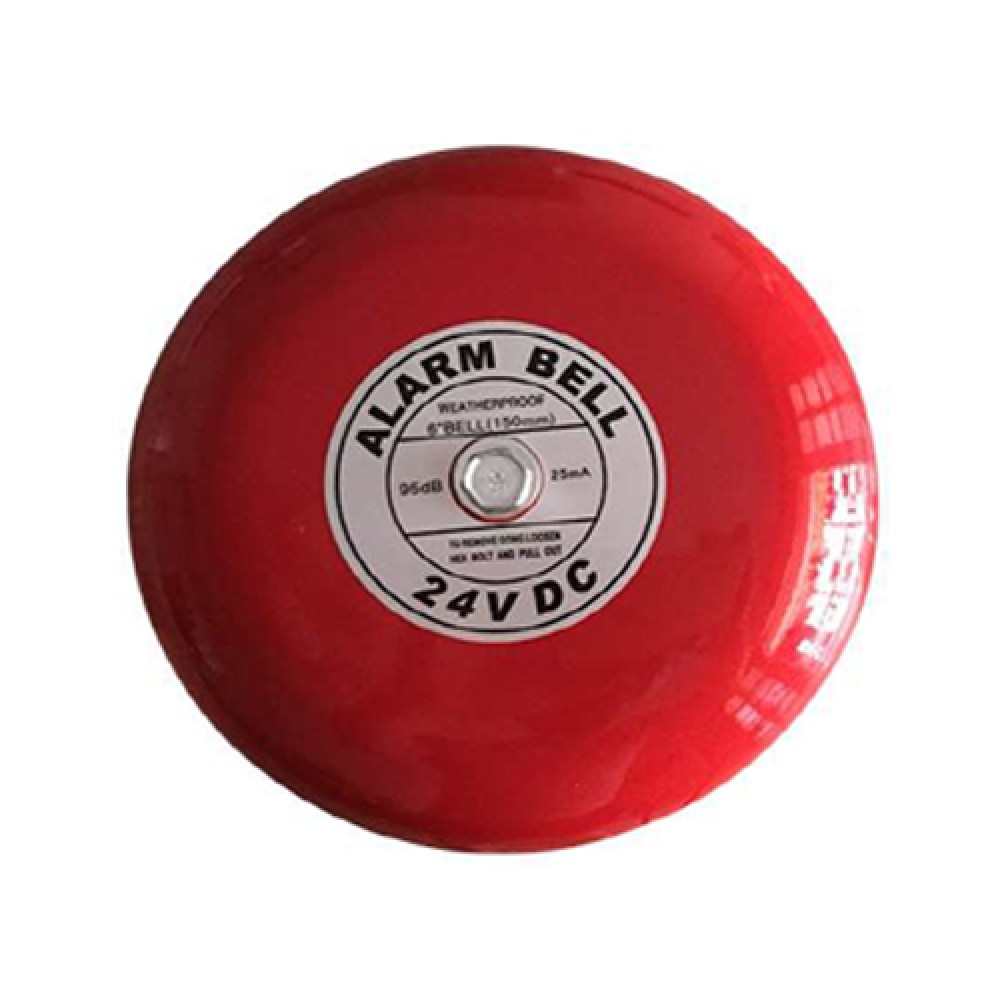
Smoke detection units sense smoke from fires, while gas detectors identify harmful gas leaks. In Saudi projects, smoke units are typically installed in offices, rooms, and warehouses, while gas detectors are used near kitchens or fuel areas. Choosing the right type reduces false alarms and supports compliance with local safety requirements.
Yes. Matkel offers smoke detection units that align with Saudi Civil Defense requirements and can provide relevant compliance documentation for selected models. Choosing the right unit for your project in Riyadh, Jeddah, or Dammam helps ensure the detection system passes the final safety inspection and meets local building regulations.
Optical smoke detectors are commonly preferred for Saudi residential buildings, offices, and commercial spaces because they respond well to early smoke and tend to produce fewer dust-related false alarms than ionization models. For projects with specific sensitivity needs, a site assessment can help select the right unit that matches local safety requirements.
Yes, heavy dust, cooking steam, or direct airflow can affect performance, so units should be placed away from kitchens, HVAC outlets, and steam sources. In Saudi projects, installation locations are carefully chosen in corridors, storage areas, and offices, with periodic calibration. This reduces false alarms and keeps detection accurate in dusty or high-traffic environments.
Smoke detection units typically last around 10 to 15 years, depending on usage and environmental conditions. In Saudi Arabia’s dusty climate, regular inspection, cleaning, and battery or unit replacement are important. Periodic calibration helps maintain reliable detection, prevents unnecessary shutdowns, and keeps the system ready for compliance checks and daily operation.