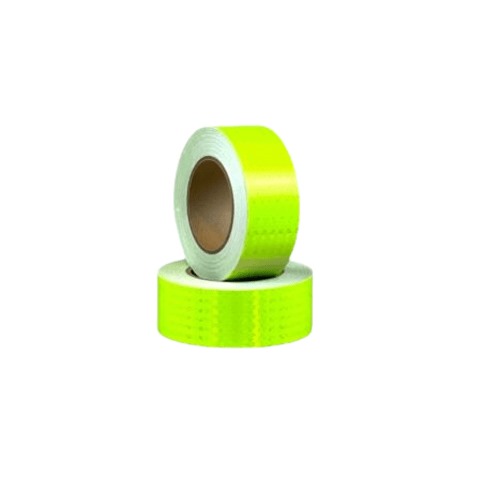
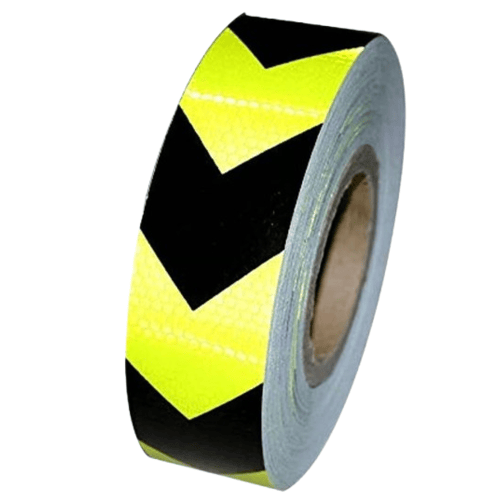
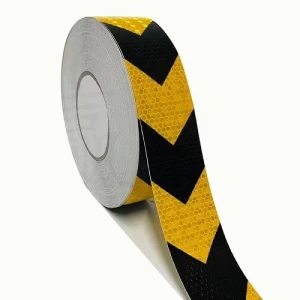
It depends on material quality and exposure to sun, wind, dust, and humidity. UV-resistant hazard tape maintains color and adhesion for several months in Saudi climates, especially when applied to clean, dry surfaces away from continuous water or heavy traffic.
Yes, if the surface is clean, dry, and dust-free. It adheres well to tiles and concrete, but sand, oil, or debris can reduce bond strength. Press firmly after installation and avoid high-traffic paths if you need longer service life.
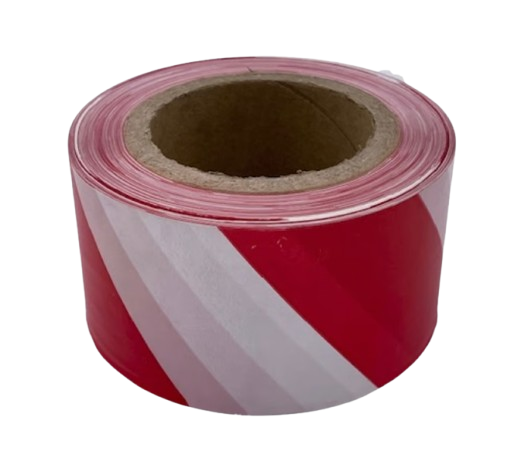
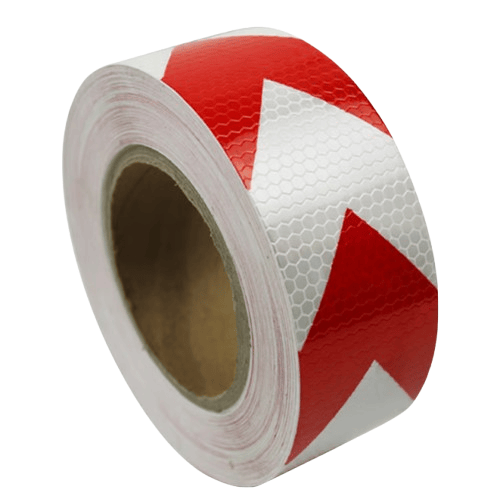
Use yellow and black for general warnings, red for urgent or restricted hazards, and blue or green where site rules allow. Choose a width visible from a safe distance, such as 50 mm to 100 mm for walkways, openings, and temporary boundaries.
Yes. Cut with sharp scissors or a utility knife in a straight line to keep edges neat. The adhesive usually stays effective after accurate cutting, but avoid cutting on damp, dusty, or oily surfaces, and press the cut end down to prevent lifting.
Rubber tape is thicker, more slip-resistant, and better for high-traffic routes, rough concrete, and outdoor areas. Plastic tape is lighter, lower-cost, and suitable for temporary markings. For sun-exposed Saudi sites, Matkel's UV-resistant rubber tape offers a balanced, longer-lasting option.