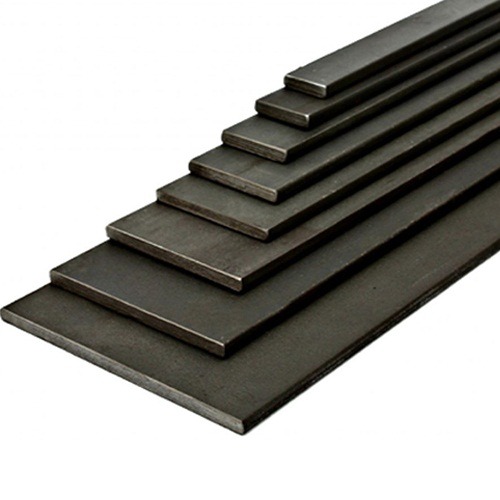
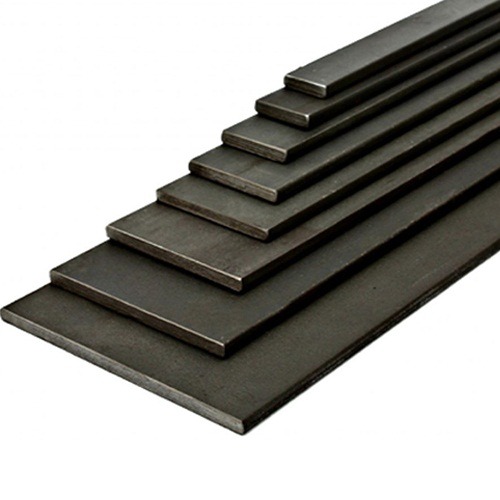
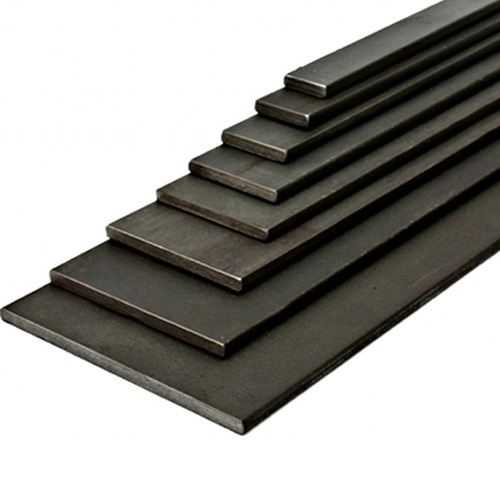
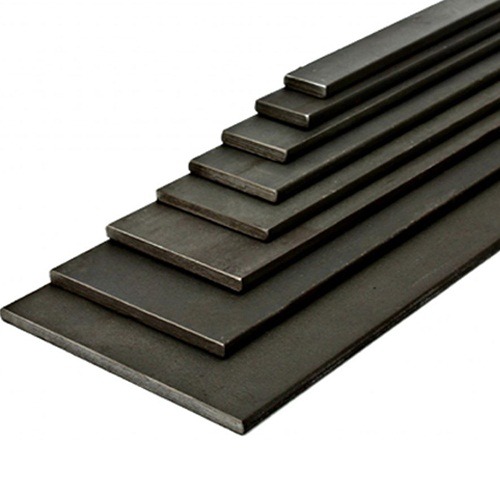
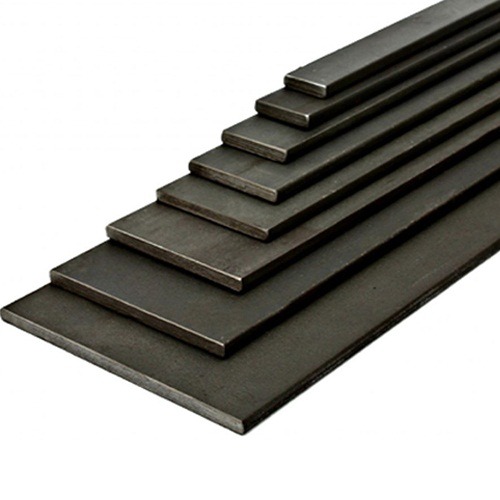
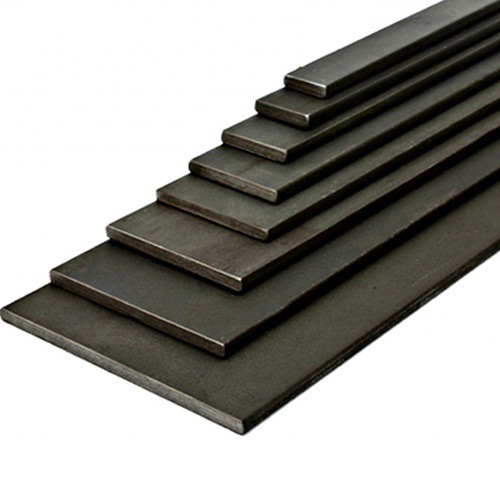
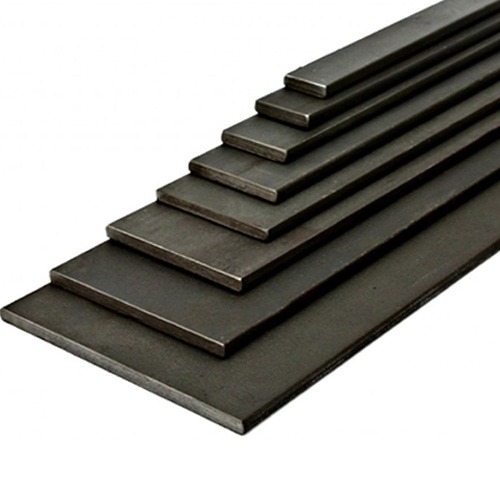
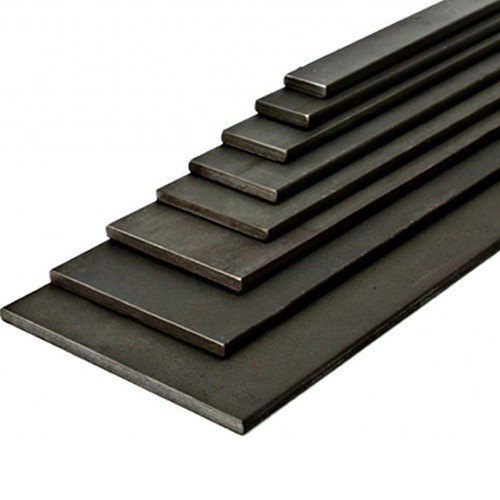
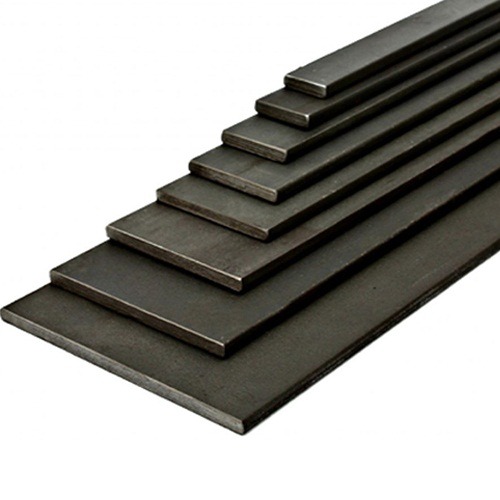
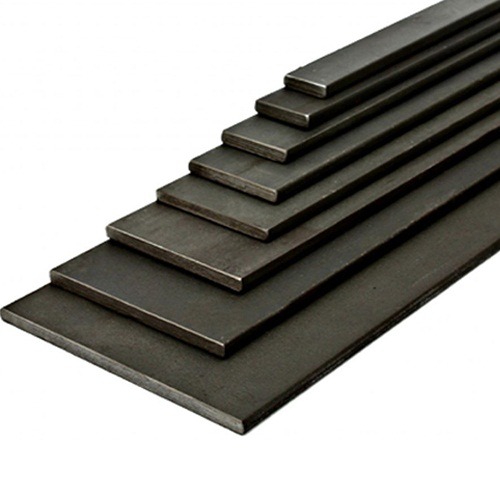
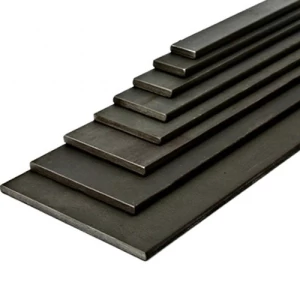
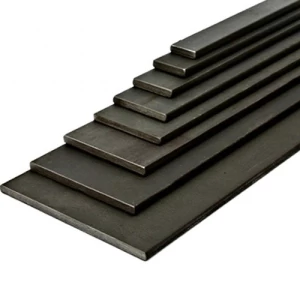
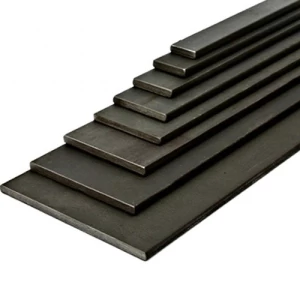
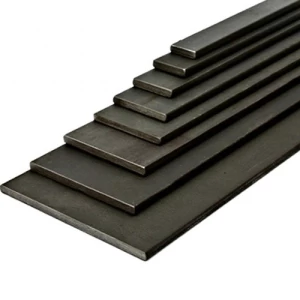
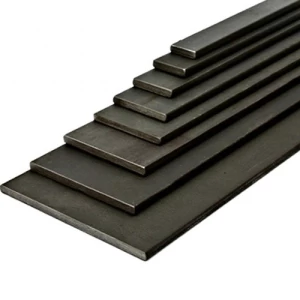
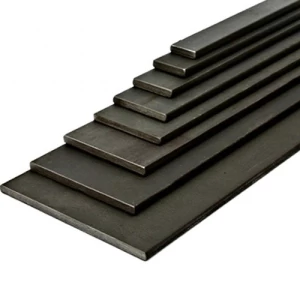
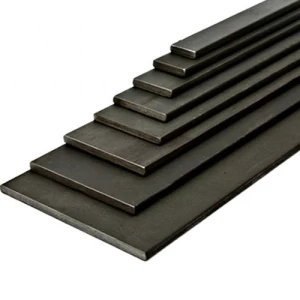
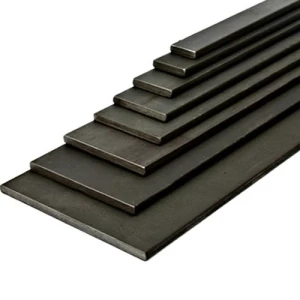
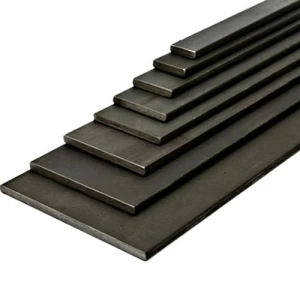
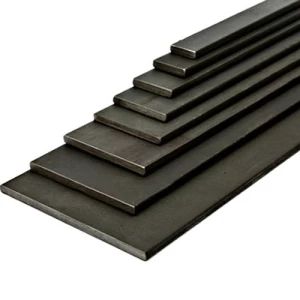
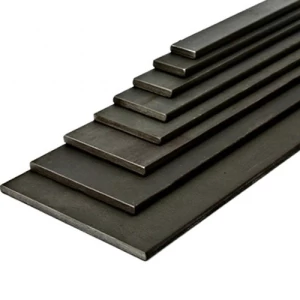
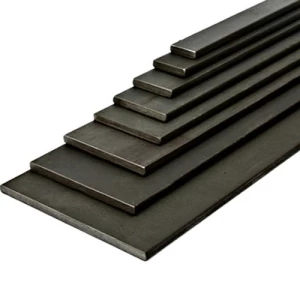
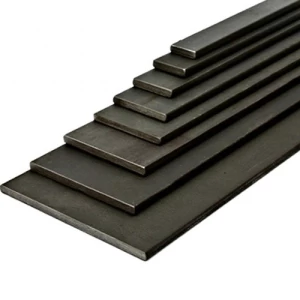
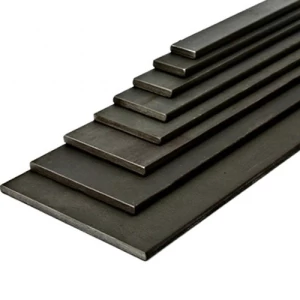
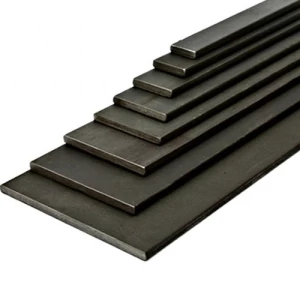
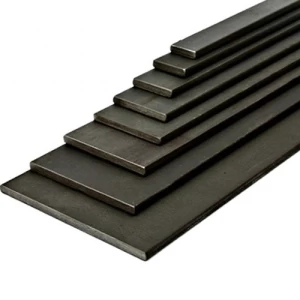
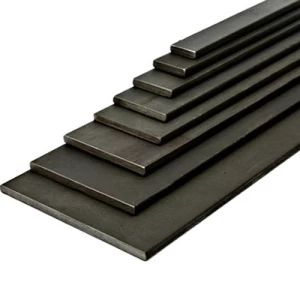
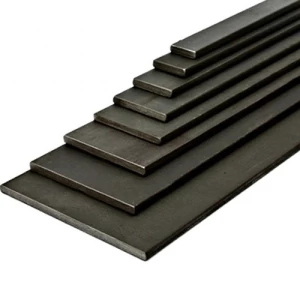
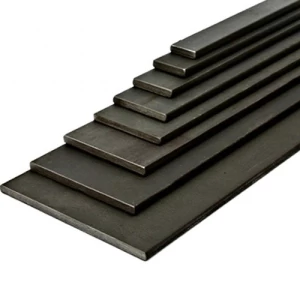
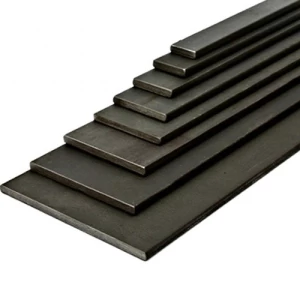
Steel flat bars typically come in standard widths starting from 20mm up to 150mm, with lengths around 6 to 12 meters. Thicknesses range from 3mm to 50mm based on structural load requirements. Matkel stocks certified sizes that align with Saudi engineering standards, ensuring precise fit for projects in Riyadh, Jeddah, and Dammam without dimensional deviations.
You can calculate the theoretical weight by multiplying the width and thickness in millimeters, then multiplying that result by 7.85 and dividing by 1,000. This standard formula helps contractors estimate exact material needs, minimize waste, and align project budgets with technical specifications commonly used across the Saudi construction market.
Absolutely. While standard carbon steel performs well, Saudi coastal and eastern climates require corrosion-resistant grades or protective surface treatments. We recommend hot-dip galvanizing or specialized anti-corrosion coatings to ensure long-term durability. This approach significantly reduces maintenance costs and extends the lifespan of structural frameworks across Khobar and Dammam.
Flat bars feature parallel, smooth surfaces, making them ideal for base plates, flooring decks, and foundation footings. Angle irons provide reinforced edges better suited for bracing, frames, and load-bearing supports. The selection depends on your specific tension and compression requirements. Matkel supplies both types to meet precise architectural and structural drawings.
Ensure your supplier provides valid SASO conformity certificates and mill test reports for each batch. Always cross-check the actual delivered thickness and weight against your engineering blueprints before site installation. Verifying these documents upfront prevents costly structural discrepancies and guarantees full compliance with Saudi building codes and project specifications.